¿Tiene alguna pregunta? Póngase en contacto con nosotros
¡Únete a nuestro equipo!
Solicitar presupuesto o consulta gratuita

Post-construction cleaning is a specialized multi-phase cleaning process that removes dust, debris, and construction residue from a site after building or renovation work is completed. It typically involves three phases: rough cleaning (debris removal), light cleaning (detailed surface cleaning), and final cleaning (touch-up and inspection), making the space safe and ready for occupancy.
After the last nail is hammered and the final coat of paint dries, construction projects leave behind something that standard cleaning simply can’t handle. Fine dust settles into every corner. Adhesive residue clings to windows. Sawdust accumulates in ventilation systems.
Post-construction cleaning transforms these work zones into safe, functional spaces ready for occupancy. But it’s not a simple sweep-and-mop operation.
According to OSHA regulations, construction sites must maintain clean, orderly conditions with debris cleared from work areas, passageways, and stairs throughout and after construction work. This isn’t just about aesthetics—it’s about safety and compliance.
What Is Post-Construction Cleaning?
Post-construction cleaning is a specialized cleaning service designed specifically to address the unique mess that construction and renovation projects create. Unlike regular janitorial services, this process tackles construction-specific challenges: cement dust, drywall particles, wood shavings, paint splatters, and industrial adhesives.
The work happens after contractors pack up their tools but before anyone moves into or begins using the space. It’s the bridge between project completion and actual usability.
Standard cleaning services aren’t equipped for this work. Construction debris requires specialized equipment, techniques, and knowledge of what materials need removal versus what stays. OSHA standards emphasize that walking-working surfaces must be kept clean, orderly, and sanitary—requirements that demand professional-grade attention after construction.
The Three Phases of Post-Construction Cleaning
Professional construction cleanup typically happens in three distinct phases. Each serves a specific purpose and builds on the previous stage.
Phase 1: Rough Cleaning
Rough cleaning addresses the obvious debris. This phase removes construction materials that no longer serve a purpose: scrap lumber, packaging materials, drywall scraps, and visible trash.
According to OSHA regulation 1926.25, form and scrap lumber with protruding nails, along with all other debris, must be cleared from work areas during and after construction. This isn’t optional—it’s a safety requirement.
Teams sweep away sawdust and larger particles during this phase. They clear out leftover materials and prepare the space for detailed cleaning work. The goal isn’t perfection yet—it’s removing obstacles and hazards.
Phase 2: Light Cleaning
Light cleaning tackles what rough cleaning can’t: fine dust, surface grime, and residue. This phase involves significantly more detail work.
Cleaners wipe down all surfaces—walls, countertops, shelves, and fixtures. They vacuum thoroughly, including corners and hard-to-reach areas. Windows get washed inside and out. Floors receive their first proper cleaning, removing adhesive residue and construction film.
This phase also addresses ventilation systems where fine dust accumulates. Construction generates particles that settle everywhere, and standard cleaning methods don’t capture them effectively.
Phase 3: Final Cleaning
Final cleaning brings the space to move-in condition. This phase focuses on polish, detail, and quality assurance.
Teams perform touch-up cleaning on any spots missed in earlier phases. They polish fixtures, sanitize surfaces, and ensure every corner meets inspection standards. Final cleaning includes detailed floor care—buffing, sealing, or finishing as needed based on flooring type.
The space gets a final inspection to confirm it meets safety and cleanliness standards before occupancy.
Bring in Powerkh for Technical BIM Work
Some construction projects need a team that can handle modeling, detailing, and coordination directly. Powerkh provides BIM and VDC services for that part of the job, including BIM modeling, BIM coordination, scan to BIM, structural detailing, prefabrication support, and BIM automation. The result is more usable project information and fewer gaps between design and execution.
Need Extra BIM Capacity on the Project?
Talk with Powerkh to:
- build models from design files or as-built data
- support coordination before field problems grow
- prepare documentation for construction and fabrication
👉 Contact Powerkh to review your project and BIM needs.
What's Included in Post-Construction Cleaning Services
Professional post-construction cleaning covers both interior and exterior work. Here’s what typically happens:
Interior Cleaning Tasks
| Area | Tasks Performed
|
|---|---|
| Floors | Vacuuming, mopping, scrubbing, removing adhesive, buffing, sealing |
| Walls & Ceilings | Dust removal, spot cleaning, cobweb removal, surface wiping |
| Windows | Glass cleaning, frame wiping, sill cleaning, sticker/label removal |
| Fixtures | Light fixtures, switches, outlets, hardware polishing |
| HVAC | Vent cleaning, duct inspection, filter replacement |
| Kitchens/Baths | Cabinet cleaning, countertop sanitizing, appliance wiping, fixture polishing |
Exterior Cleaning Tasks
Exterior work removes construction debris from around the building perimeter. This includes cleaning walkways, removing material stickers from windows and doors, pressure washing concrete or brick surfaces, and clearing gutters or drainage areas of construction dust.
Some projects require specialized exterior cleaning depending on materials used and local environmental factors.
Why Post-Construction Cleaning Matters
Construction dust isn’t just unsightly—it creates health and safety hazards. Fine particles become airborne easily, affecting indoor air quality. According to OSHA guidance, the persistent presence of visible dust, equipment malfunction, or other unexpected events may indicate that exposure levels can no longer be expected to remain below action levels.
Beyond health concerns, proper post-construction cleaning protects the investment. Construction residue damages finishes over time if not removed properly. Adhesives harden. Dust scratches polished surfaces. Debris creates trip hazards.
For commercial spaces, first impressions matter. Clients, customers, or tenants expect clean, professional environments. Post-construction cleaning ensures spaces look finished, not half-completed.
When to Hire Professional Post-Construction Cleaners
Some projects demand professional help. Large commercial builds generate debris volumes that exceed typical cleaning capabilities. Renovation work often involves materials requiring specialized disposal knowledge.
Professionals bring industrial-grade equipment: HEPA-filter vacuums that capture fine particles, floor scrubbers for large surface areas, and pressure washers for exterior work. They understand which cleaning agents work on different surfaces without causing damage.
Time matters too. Professional teams complete multi-phase cleaning faster than untrained workers, allowing projects to meet occupancy deadlines. For businesses, this means less downtime and faster return to operations.
Industries That Commonly Need Post-Construction Cleaning
Certain sectors rely heavily on professional post-construction cleanup:
- Commercial Real Estate: Office buildings, retail spaces, and mixed-use developments require pristine conditions before tenant move-in
- Healthcare Facilities: Hospitals and clinics demand stringent cleanliness standards with specialized sanitization
- Education: Schools and universities need safe, clean environments before students arrive
- Hospitality: Hotels and restaurants require detailed cleaning to meet health codes and guest expectations
- Industrial Sites: Manufacturing facilities and warehouses need debris removal and safety compliance
Each industry brings unique requirements. Healthcare facilities follow strict contamination protocols. Food service locations need sanitization that meets health department standards. Industrial sites must comply with OSHA workplace safety regulations.
How to Prepare for Post-Construction Cleaning
Preparation helps cleaning teams work efficiently. Before cleaners arrive, confirm that all construction work is complete. Contractors should have removed their tools, equipment, and remaining materials.
Walk through the site and identify areas needing special attention. Note any damaged surfaces or concerns that cleaning teams should know about. This prevents misunderstandings about what cleaning services cover versus what requires contractor repair.
Ensure utilities work properly—water, electricity, and HVAC systems need to function for effective cleaning. Teams need running water for mopping and window washing. Electricity powers vacuums and floor equipment.
Communicate expectations clearly. Discuss timelines, specific requirements, and any access restrictions. Some facilities have security protocols or require background checks for workers entering the premises.
Ready for a Clean, Safe Space?
Post-construction cleaning transforms construction zones into functional, safe environments ready for their intended purpose. The three-phase process—rough cleaning, light cleaning, and final cleaning—systematically removes debris, dust, and residue that standard cleaning can’t handle.
For commercial projects, healthcare facilities, and large renovations, professional cleaning services bring the equipment, expertise, and efficiency that projects demand. They understand OSHA requirements, use specialized tools, and deliver results that meet inspection standards.
Whether managing a construction project or preparing a newly renovated space for occupancy, proper post-construction cleaning protects health, safety, and the quality of the finished work. Don’t let construction dust and debris diminish what contractors built—invest in thorough cleanup that makes spaces truly ready for use.
Preguntas frecuentes
How long does post-construction cleaning take?
Timing varies based on project size and scope. Small residential projects may take 1-2 days, while large commercial spaces can take a week or more. Professional teams usually complete the work faster due to specialized equipment.
What is the difference between post-construction cleaning and regular cleaning?
Post-construction cleaning removes debris like drywall dust, sawdust, paint splatters, and residue using specialized equipment. Regular cleaning focuses on maintaining already clean spaces with routine tasks.
Who typically pays for post-construction cleaning?
Responsibility depends on contract terms. Owners often pay separately, while some construction contracts include basic cleanup but not full post-construction cleaning.
Can construction dust cause health problems?
Yes. Construction dust can affect respiratory health, especially fine particles like silica. Proper cleaning with HEPA filtration helps remove harmful particles and improve air quality.
Do I need all three phases of post-construction cleaning?
Most projects benefit from all three phases, but smaller jobs may skip some steps if the site was maintained well during construction. A professional assessment helps determine what is needed.
What equipment do professional post-construction cleaners use?
They use HEPA vacuums, industrial scrubbers, pressure washers, and specialized cleaning agents, along with safety gear for dust-heavy environments.
How much does professional post-construction cleaning cost?
Costs vary based on size and complexity. Small residential jobs may cost a few hundred dollars, while large commercial projects can cost several thousand. Most providers offer estimates after inspection.

Nuestros casos prácticos
Hemos gestionado más de 200 proyectos BIM y VDC para los sectores comercial, industrial y residencial.
Nuestro trabajo incluye:
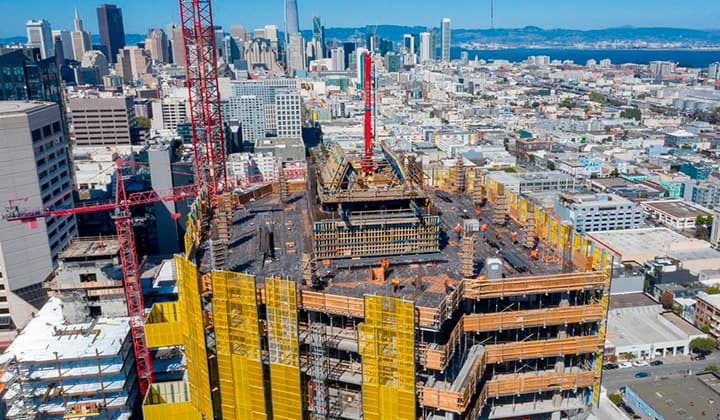
Automatización del diseño de encofrados
Our client from
California, USA
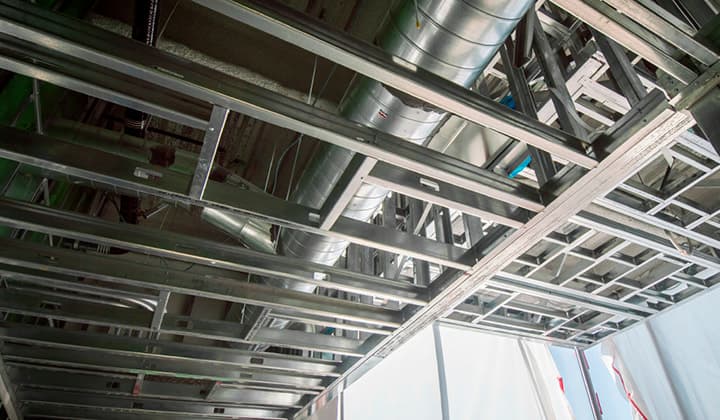
Automatización del diseño de falsos techos
Our client from
New York, USA
Automatización del diseño del entramado de muros
Our client from
California, USA