Haben Sie noch Fragen? Kontaktieren Sie uns!
Kommen Sie in unser Team!
Kostenloses Angebot oder Beratung anfordern

Glazing in construction refers to the installation of glass panels within windows, doors, or any fixed openings in buildings. It encompasses the materials, methods, and systems used to securely fit glass into frames, playing a vital role in natural lighting, energy efficiency, and building aesthetics.
The term “glazing” might sound technical, but walk past any modern office building or look through your own home windows, and that’s glazing at work. Derived from the Middle English word for glass, glazing has evolved from simple window installation into a sophisticated construction discipline that shapes how buildings look, feel, and perform.
Modern construction wouldn’t be what it is without advanced glazing. Those floor-to-ceiling windows in luxury apartments? Glazing systems. The energy-efficient double-pane windows keeping heating bills down? That’s specialized glass glazing.
This guide breaks down everything about glazing in construction—what it actually means, the different types and methods, and why it matters more than most people realize.
Understanding Glazing in Construction
At its core, glazing refers to any part of a wall or window made of glass. But that’s the simplified version.
In professional terms, glazing encompasses the entire process of selecting, cutting, and installing glass within frames—whether those frames are part of windows, doors, skylights, or curtain walls. The work itself is performed by specialized professionals called glaziers.
Here’s the thing though—glazing isn’t just about slapping glass into an opening. It involves understanding load resistance, thermal performance, safety requirements, and aesthetic considerations. Standards organizations like ASTM International have developed numerous specifications for glazing performance, including testing methods for glazing systems subject to airblast loadings and standards for determining load resistance of glass in buildings.
The Evolution of Glass in Buildings
Glass has been used in construction for centuries, but float glass—developed in the mid-20th century—revolutionized the industry. Float glass has continued to be the most used type of glazing to the present day, forming the foundation for virtually all modern glazing applications.
The most common composition? Soda-lime glass, which consists of 70-75% silica (SiO2) by weight. This material strikes the perfect balance between transparency, durability, and manufacturability.
Types of Glazing Glass in Construction
Not all glass is created equal. Different applications demand different glass types, each with specific performance characteristics.
Single Glazing
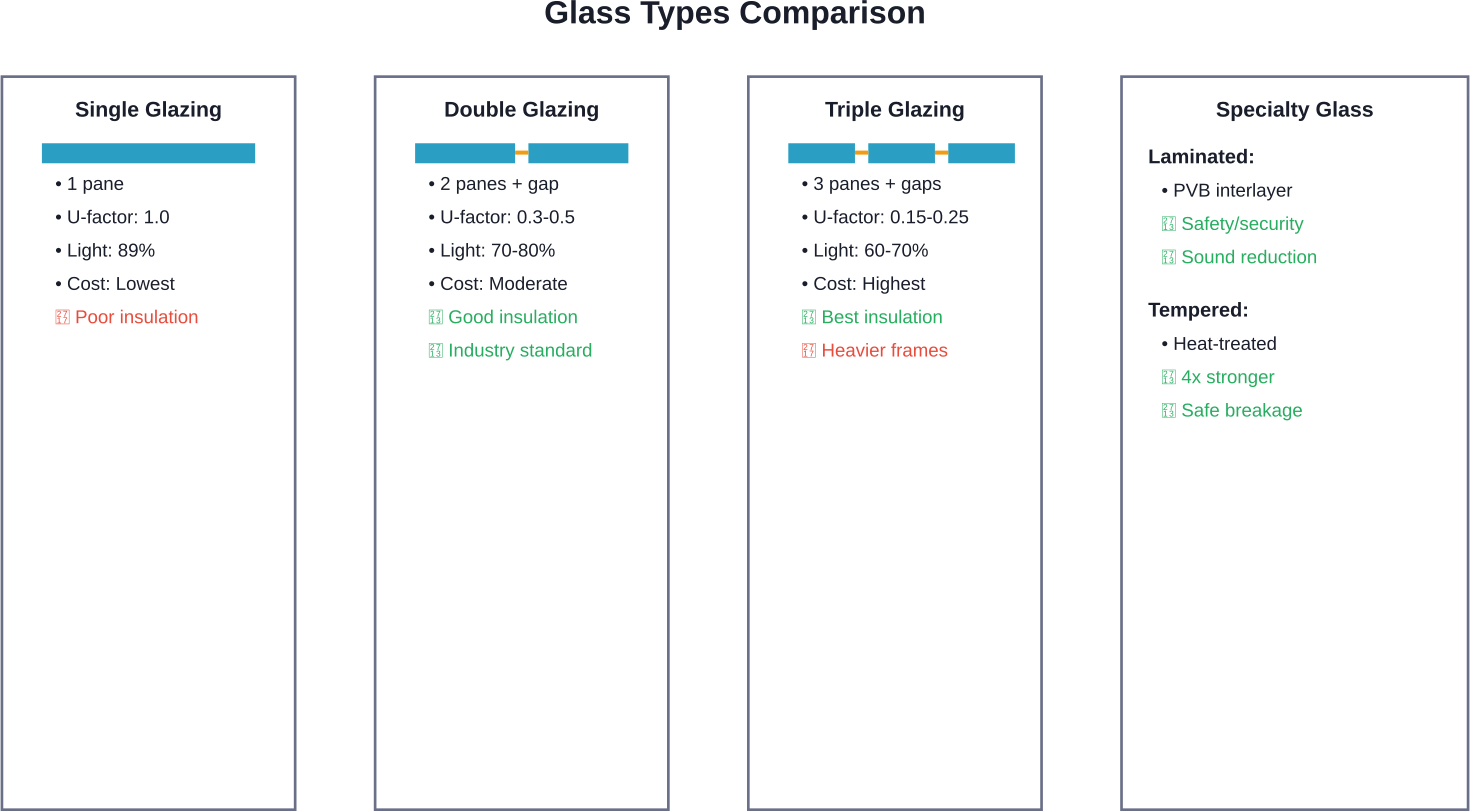
Single glazing uses one pane of glass within a frame. Standard clear single-pane glass at 1/4 inch (6 mm) thickness has a U-factor of approximately 1.0-1.1 (BTU/h·ft²·°F) for the center-of-glass.
This type is largely outdated for new construction in climate-controlled buildings but still appears in some applications where thermal performance isn’t critical.
Double Glazing
Double glazing—also called insulated glass units (IGUs)—uses two panes of glass separated by a sealed air gap or inert gas fill. The space between panes acts as an insulator, dramatically improving thermal performance.
This design reduces heat transfer while maintaining good light transmission. Double glazing has become the standard minimum for residential and commercial construction in most developed markets.
Triple Glazing
Triple glazing adds a third pane, creating two insulating cavities. While heavier and more expensive, triple glazing offers superior thermal performance—essential for passive house standards and extreme climate zones.
The trade-off? Slightly reduced light transmission and increased weight requiring stronger frames.
Laminated Glass
Laminated glass bonds two or more glass layers with an interlayer—typically polyvinyl butyral (PVB). When broken, the glass fragments adhere to the interlayer rather than scattering.
This makes laminated glass ideal for security applications, overhead glazing, and locations where human impact is possible. Many building codes require laminated glass in permanent railing systems, guards, and balustrades according to ASTM E2358 specifications.
Tempered Glass
Tempered (or toughened) glass undergoes heat treatment that creates internal stresses, making it approximately 4-5 times stronger than standard annealed glass. When it does break, it shatters into small, relatively harmless pieces rather than dangerous shards.
Building codes often mandate tempered glass near doors, in bathrooms, and other high-risk locations.
Glazing Installation Methods
How glass gets secured into frames matters just as much as the glass itself. Two primary methods dominate the industry.
Dry Glazing
Dry glazing uses pre-formed gaskets, seals, and mechanical fasteners to hold glass in place—no wet sealants required during installation. The gaskets compress around the glass perimeter, creating weathertight seals.
Advantages? Cleaner installation, faster turnaround, and easier glass replacement when needed. Dry glazing dominates modern curtain walls and storefront systems.
Wet Glazing
Wet glazing relies on glazing compounds or sealants applied during installation to bed and seal the glass within its frame. The sealant cures over time, forming a permanent weatherproof barrier.
This traditional method still sees use in renovation work and specific applications where dry systems won’t fit. The downside? Longer installation times and messier job sites.
Structural Glazing
Structural glazing takes things further—the glass itself becomes part of the building’s structural envelope. High-strength silicone sealants bond glass panels directly to supporting frames, often with minimal visible framing members.
The result? Those dramatic all-glass facades where metal framing nearly disappears. But structural glazing demands precise engineering and strict adherence to design specifications.
Glazing Systems in Modern Construction
Commercial architecture has embraced sophisticated glazing systems that integrate glass, framing, and ancillary components into complete building envelope solutions.
Glazing systems typically incorporate aluminum or steel framing with integrated thermal breaks, drainage systems, and compatibility with various glass types. These systems must meet stringent performance requirements for air infiltration, water penetration, structural loads, and thermal performance.
The National Fenestration Rating Council (NFRC) has established itself as the trusted, independent certification body for energy performance of windows, doors, and skylights. NFRC certification ensures products meet precise, scientifically validated testing standards.
Common System Types
- Curtain walls: Non-structural exterior walls that hang from the building structure, typically spanning multiple floors with continuous glass.
- Storefront systems: Ground-level glazing systems, usually one story high, forming the transparent facade of retail and commercial entries.
- Window wall systems: Pre-fabricated units installed between floor slabs, offering faster installation than traditional curtain walls.
Each system type serves specific architectural needs and performance requirements.
Energy Efficiency and Glazing Performance
Here’s where glazing really impacts building performance and operating costs. Windows and glazing have long been used for daylighting and ventilation, but they’re also historically the weakest link in building thermal envelopes.
Historically, windows have represented a significant source of energy costs in buildings. Careful specification of window and glazing systems is essential to the energy efficiency and comfort of all buildings. In residential and skin-load dominated structures, optimum window design and glazing specification can significantly reduce energy consumption.
Key Performance Metrics
Understanding glazing performance requires familiarity with several measurements:
- U-factor: Measures heat transfer through the glazing assembly. Lower numbers mean better insulation. Single pane glass registers around 1.0, while high-performance triple glazing can achieve 0.15-0.25.
- Solar Heat Gain Coefficient (SHGC): The fraction of solar radiation admitted through glass. Lower SHGC reduces cooling loads but also reduces passive solar heating.
- Visible Transmittance: The percentage of visible light passing through. Higher numbers mean more natural daylighting but must be balanced against thermal performance.
The trick? Balancing these competing factors based on climate, building orientation, and usage patterns.
| Glazing Type | U-Factor Range | SHGC Range | Light Transmission | Best Application |
|---|---|---|---|---|
| Single Clear | 1.0-1.1 | 0.75-0.85 | 85-90% | Mild climates, non-conditioned spaces |
| Double Clear | 0.4-0.6 | 0.55-0.70 | 70-80% | Residential, moderate climates |
| Double Low-E | 0.25-0.35 | 0.25-0.40 | 50-70% | Energy-efficient commercial |
| Triple Glazed | 0.15-0.25 | 0.20-0.35 | 60-70% | Cold climates, passive house |
| Laminated | Varies | Varies | Varies by build | Security, sound control, overhead |
Building Codes and Standards
Glazing isn’t a free-for-all. Building codes heavily regulate where specific glass types must be used.
The International Code Council (ICC) maintains comprehensive glazing requirements within their building codes. Chapter 24 of the International Building Code specifically addresses glass and glazing, covering everything from minimum thickness requirements to safety glazing locations.
ASTM International publishes numerous standards relevant to construction glazing, including specifications for performance testing of glazing in permanent railing systems and practices for determining load resistance. These standards inform code requirements and provide testing methodologies.
Safety Glazing Requirements
Building codes mandate safety glazing (tempered or laminated glass) in hazardous locations:
- Doors and adjacent sidelights
- Glass within 24 inches of doorways
- Shower and tub enclosures
- Glass railings and guards
- Overhead glazing and skylights
- Glass near stairs and ramps
These requirements exist because standard annealed glass creates dangerous shards when broken in high-traffic areas.
Benefits of Proper Glazing
Why does all this matter? Proper glazing delivers tangible benefits that impact building performance, occupant comfort, and operational costs.
Natural Light and Health
Studies consistently show that health, comfort, and productivity improve with well-ventilated indoor environments and access to natural light. Glazing systems enable daylighting strategies that reduce artificial lighting needs while supporting occupant wellbeing.
The psychological impact of visual connection to the outdoors shouldn’t be underestimated either.
Energy Performance
High-performance glazing dramatically reduces heating and cooling loads. The difference between single-pane and modern triple-glazed low-E windows can represent thousands of dollars in annual energy costs for commercial buildings.
In residential applications, upgrading glazing often delivers the best return on investment among envelope improvements.
Acoustic Control
Laminated glass with acoustic interlayers significantly reduces sound transmission—critical for buildings near airports, highways, or urban centers. The mass and damping properties of properly specified glazing can create quiet interior environments despite noisy surroundings.
Aesthetic Flexibility
Modern glazing enables architectural expressions impossible with traditional wall systems. Floor-to-ceiling glass, curved facades, and transparent building envelopes define contemporary architecture.
Tinted, fritted, and digitally printed glass options provide nearly unlimited aesthetic possibilities while maintaining performance requirements.
Common Applications of Glazing
Glazing appears throughout modern construction in diverse applications, each with specific requirements.
Residential Windows
Home windows represent the most familiar glazing application. Double glazing with low-E coatings has become standard in new residential construction, balancing cost, energy performance, and aesthetics.
Replacement window markets continue growing as homeowners upgrade from older single-pane installations.
Commercial Curtain Walls
Office towers and institutional buildings rely on curtain wall systems that transform entire facades into glazed surfaces. These systems must handle wind loads, thermal expansion, and seismic movement while maintaining weathertight seals.
Modern curtain walls achieve remarkable spans with minimal visible framing.
Storefronts and Entries
Retail environments demand maximum transparency to showcase merchandise and create inviting entries. Storefront glazing systems typically use larger glass panels with thermally broken aluminum frames.
High-traffic locations often require tempered glass throughout for safety.
Skylights and Overhead Glazing
Overhead applications face unique challenges—they must resist impact from above, handle condensation drainage, and often support maintenance loads. Building codes mandate laminated glass for most overhead glazing to prevent dangerous fallout if breakage occurs.
Interior Glazing
Glass partitions, interior windows, and transparent office systems use glazing to maintain visual connection while providing acoustic separation. Tempered glass dominates these applications due to safety requirements and structural needs.
Choosing the Right Glazing
So how does one select appropriate glazing for a project? Several factors come into play:
- Climate considerations: Cold climates demand lower U-factors to prevent heat loss. Hot climates benefit from lower SHGC to reduce cooling loads. Coastal areas need additional resistance to salt air and wind pressure.
- Building orientation: South-facing glazing (in the Northern Hemisphere) receives maximum solar exposure. East and west elevations face challenging sun angles. North-facing glass loses heat without solar gain benefits.
- Safety and security requirements: Code-mandated safety glazing locations, security concerns, and blast resistance needs all influence glass selection.
- Acoustic performance: Proximity to noise sources determines whether acoustic glazing is cost-justified.
- Budget constraints: Performance improvements come with cost increases. Value engineering requires balancing first costs against lifecycle savings.
Professional glazing contractors and architectural glass specialists help navigate these decisions.
Check Your Glazing Before You Order

Glazing is one of the most expensive packages to get wrong. If units are ordered off incomplete or unverified information, you pay twice – once for the order, and again for the fix. Powerkh reviews your glazing package before you commit and shows what will actually work on site. This is not a general review. You get a clear check of openings, dimensions, and how glazing will be installed against real building conditions, so you’re not relying on assumptions when placing orders.
Approve Glazing Before You Commit
What you get from Powerkh:
- A clear answer on whether your glazing will fit on site
- Visibility into what is still undefined before ordering
- Early identification of issues that would lead to reorders
- Fewer costly changes once units are delivered
Contact Powerkh now and get your glazing checked before you commit to the order.
Maintenance and Longevity
Glazing systems require ongoing maintenance to preserve performance and appearance.
Sealed insulating glass units can fail when perimeter seals degrade, allowing moisture infiltration between panes. That foggy appearance in older windows? Seal failure. IGU lifespan depends on installation quality, climate exposure, and frame condition.
Frame maintenance—especially for wood windows—prevents water infiltration and structural degradation. Aluminum and vinyl frames require less maintenance but still need periodic inspection of weatherstripping and drainage weeps.
Glass cleaning obviously impacts appearance but also affects solar performance. Dirt and film on glass reduce visible light transmission and alter solar heat gain characteristics.
Schlussfolgerung
Glazing represents far more than just “putting glass in windows.” It’s a sophisticated construction discipline balancing thermal performance, structural requirements, safety codes, and architectural vision.
From the composition of soda-lime glass to the performance standards established by organizations like ASTM International and NFRC, every aspect of glazing involves technical specifications backed by testing and real-world performance data.
The evolution from simple single-pane windows to modern triple-glazed, low-E coated insulating glass units demonstrates how glazing technology continues advancing. These improvements deliver measurable benefits in energy efficiency, occupant comfort, and building performance.
Whether specifying glazing for new construction, evaluating replacement windows, or simply understanding what makes modern buildings work, knowledge of glazing fundamentals proves invaluable. The glass surrounding us in nearly every building represents centuries of material science refinement and decades of performance optimization.
For those involved in construction projects, working with qualified glazing contractors and specifying products meeting current building codes and energy standards ensures installations that perform as intended for decades. The investment in proper glazing specification pays dividends through reduced energy costs, improved comfort, and enhanced building value.
Häufig gestellte Fragen
What does glazing mean in construction terms?
Glazing in construction refers to the process of installing glass panels within frames for windows, doors, or other openings, as well as the glass components themselves. The term derives from the Middle English word for glass and encompasses material selection, installation methods, and performance specifications.
What is the difference between single, double, and triple glazing?
Single glazing uses one pane of glass, offering minimal insulation with U-factors around 1.0-1.1. Double glazing adds a second pane with an insulating air gap, improving thermal performance to U-factors of 0.3-0.5. Triple glazing includes three panes and two insulating cavities, achieving U-factors as low as 0.15-0.25 but at higher cost and weight.
When is tempered glass required by building codes?
Building codes typically mandate tempered or laminated safety glass in hazardous locations including doors and adjacent areas, glass within 24 inches of doorways, shower and tub enclosures, glass railings, overhead glazing, and locations near stairs. These requirements prevent dangerous injuries from sharp glass fragments in high-traffic areas.
What is dry glazing versus wet glazing?
Dry glazing uses pre-formed gaskets and mechanical fasteners to secure glass without wet sealants during installation, offering cleaner and faster installation with easier replacement. Wet glazing relies on sealants or compounds applied during installation that cure to form permanent seals, representing the traditional method still used in renovation and specific applications.
How does low-E coating improve window performance?
Low-emissivity low-E coatings are microscopically thin metallic layers applied to glass surfaces that reflect infrared heat while allowing visible light transmission. This reduces U-factor by reflecting interior heat back into the building during winter while blocking solar heat gain in summer, depending on coating placement and type.
What is structural glazing?
Structural glazing uses high-strength silicone sealants to bond glass panels directly to supporting frames, making the glass itself part of the structural envelope. This technique minimizes visible framing for dramatic all-glass facades but requires precise engineering and strict adherence to manufacturer specifications and building codes.
How long do insulating glass units typically last?
Quality insulating glass units with properly manufactured seals typically last 15-25 years before seal failure occurs. Signs of seal failure include condensation between panes, foggy appearance, and reduced thermal performance. Premium IGUs often carry warranties against seal failure, with durations varying by manufacturer, though actual lifespan depends on installation quality, climate exposure, and frame condition.

Unsere Fallstudien
Wir haben mehr als 200 BIM- und VDC-Projekte für Gewerbe, Industrie und Wohnungsbau durchgeführt.
Unsere Arbeit umfasst:
Automatisierung der Schalungsplanung
Our client from
California, USA
Automatisierung von abgehängten Decken
Our client from
New York, USA
Automatisierung von Wandkonstruktionen
Our client from
California, USA