Haben Sie noch Fragen? Kontaktieren Sie uns!
Kommen Sie in unser Team!
Kostenloses Angebot oder Beratung anfordern

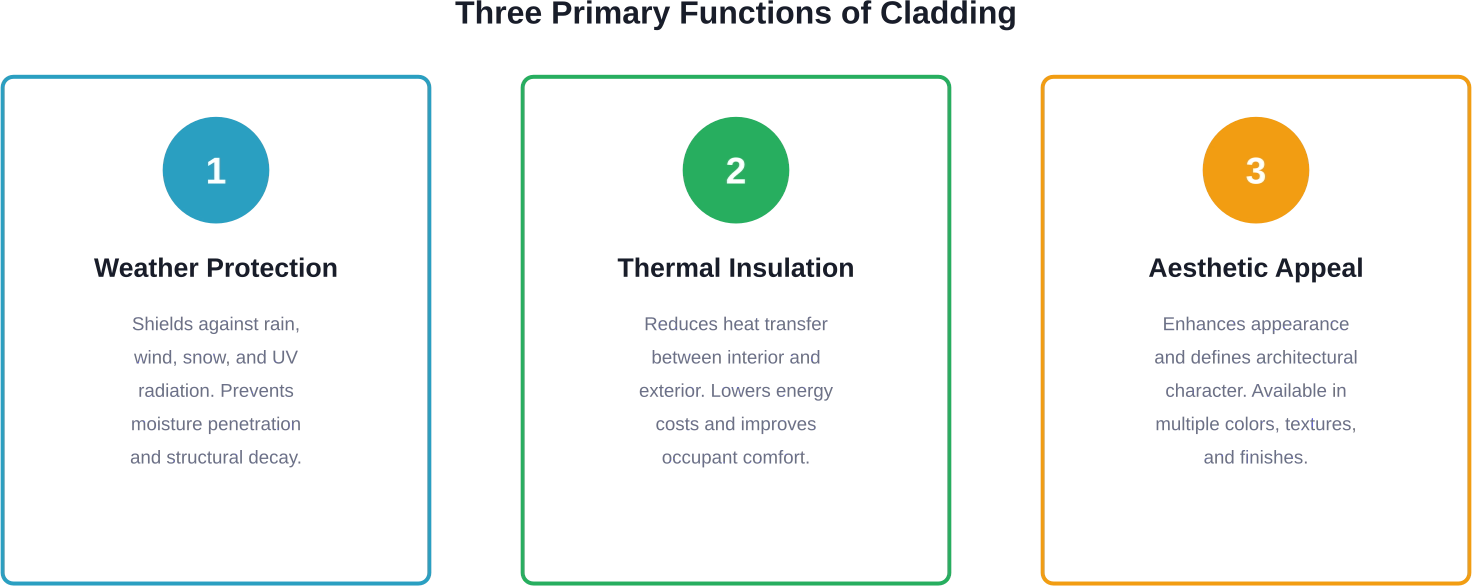
Cladding in construction refers to the application of one material over another to create a protective outer layer on buildings. It serves three primary functions: providing weather protection, improving thermal insulation, and enhancing the aesthetic appearance of structures. Common cladding materials include metal, wood, vinyl, brick veneer, and composite panels, each offering different benefits in terms of durability, cost, and fire resistance.
Walk past any modern building and chances are you’re looking at cladding. It’s that exterior skin—the visible face of the structure that shields what’s underneath from rain, wind, and temperature extremes.
But cladding does more than just look good. It’s a critical component of building performance that affects everything from energy efficiency to fire safety. And after high-profile incidents like the Grenfell Tower fire in London, understanding what cladding is and how it performs has become absolutely essential.
So what exactly is cladding, and why does it matter so much in construction?
Understanding Cladding: The Basics
Cladding is the application of one material over another to provide a skin or layer. In construction, this means attaching an exterior material to the structural framework of a building to create a protective barrier.
Think of it like the jacket you wear over your clothes. The jacket isn’t the structure—your body and clothes underneath provide that. But the jacket protects against the elements and changes your outward appearance.
The key distinction? Cladding is non-structural. It doesn’t support the building’s weight or provide structural integrity. That’s the job of the framework underneath—whether steel, concrete, or timber framing.
Cladding vs. Siding: What’s the Difference?
The terms often get used interchangeably, but there’s a technical difference. Cladding is the broader term referring to any exterior covering material applied over another. Siding specifically refers to horizontal or vertical boards attached to exterior walls, typically in residential construction.
All siding is cladding, but not all cladding is siding. Cladding includes panels, tiles, sheets, and other materials beyond traditional board-style siding.
The Three Primary Functions of Cladding
Why bother with cladding at all? Because it serves three critical purposes that directly impact building performance and longevity.
Weather Protection
The primary job of cladding is creating a barrier against the elements. Rain, snow, wind, and UV radiation constantly assault buildings. Without proper protection, moisture infiltrates the structure, leading to rot, mold, and deterioration.
Cladding systems are designed to shed water and resist wind-driven rain. Many incorporate drainage planes and ventilation gaps that allow moisture to escape before it causes damage.
Thermal Insulation
Cladding contributes to a building’s thermal performance by reducing heat transfer. When combined with insulation materials in the wall assembly, cladding helps maintain interior temperatures and reduces heating and cooling costs.
The effectiveness varies by material and installation method. Some cladding systems include integrated insulation, while others rely on separate insulation layers within the wall cavity.
Aesthetic Enhancement
Let’s be honest—appearance matters. Cladding defines the visual character of a building and can dramatically transform its look. From sleek metal panels on commercial towers to warm wood siding on residences, cladding choices shape architectural identity.
The aesthetic function isn’t just vanity. It affects property values, neighborhood character, and how occupants feel about the spaces they inhabit.
Common Cladding Materials
The construction industry uses dozens of cladding materials, each with distinct characteristics. Here’s a breakdown of the most common options.
| Material | Vorteile | Considerations | Typical Applications
|
|---|---|---|---|
| Metal (Aluminum, Steel) | Durable, low maintenance, fire-resistant, modern appearance | Can dent, thermal expansion issues, higher initial cost | Commercial buildings, industrial facilities, modern residential |
| Wood | Natural aesthetic, renewable resource, good insulation properties | Requires maintenance, susceptible to rot and insects, fire risk | Residential construction, rustic or traditional designs |
| Vinyl | Affordable, low maintenance, variety of colors and styles | Can fade or crack, less durable than alternatives, limited fire resistance | Residential siding, budget-conscious projects |
| Brick Veneer | Classic appearance, excellent durability, minimal maintenance | Heavy, requires structural support, higher installation cost | Traditional residential, institutional buildings |
| Fiber Cement | Fire-resistant, insect-proof, mimics wood appearance, durable | Heavy, requires proper installation, can crack if improperly fastened | Residential and light commercial applications |
| Composite Panels | Lightweight, versatile design options, weather-resistant | Fire performance varies by core material, potential safety concerns | Commercial buildings, high-rise construction |
Wood Cladding in Non-Residential Construction
Traditionally associated with residential projects, wood cladding is gaining ground in larger buildings. Academic research indicates wood cladding products in the US were forecast to reach 12.5% on a total demand of 930 million square meters in 2019.
The barriers? Concerns about fire performance, durability, and maintenance in commercial applications. But these can be overcome with proper treatment, installation methods, and maintenance protocols.
Fire Safety Considerations
Here’s where things get serious. Not all cladding materials perform equally when exposed to fire, and the consequences can be catastrophic.
According to Wikipedia’s documentation on cladding, panels with the same appearance may have different core materials. Those with a higher proportion of mineral core withstand fire better, but can still be considered combustible. Fire will spread through cladding if the core is combustible.
The 2017 Grenfell Tower fire in London brought this issue into sharp focus. The rapid spread of flames through the building’s cladding system resulted in 72 deaths and prompted worldwide re-evaluation of cladding safety standards.
High-Risk Cladding Materials
Community discussions and safety audits have identified certain materials as particularly problematic:
- Aluminium composite panels (ACPs) with polyethylene cores
- Metal composite materials with combustible cores
- Some expanded polystyrene-based systems
- Untreated wood cladding in certain applications
Safety concerns extend beyond material choice. Installation quality, maintenance, and compliance with building codes all factor into overall fire performance.
Selecting the Right Cladding Material
Choosing cladding isn’t a one-size-fits-all decision. Multiple factors influence which material makes sense for a particular project.
Climate and Environmental Exposure
Coastal areas with salt spray demand different materials than dry inland climates. Regions with freeze-thaw cycles need cladding that can handle thermal expansion and contraction without cracking.
Wood may deteriorate rapidly in humid climates without proper treatment. Metal cladding performs well in harsh weather but requires attention to thermal bridging and condensation management.
Building Type and Use
Residential, commercial, and industrial buildings have different performance requirements. Building codes often specify minimum fire-resistance ratings based on occupancy type and building height.
High-rise buildings typically face stricter requirements than low-rise structures. The presence of vulnerable populations (hospitals, schools, care facilities) may trigger additional safety standards.
Budget and Lifecycle Costs
Initial material costs tell only part of the story. Factor in installation complexity, ongoing maintenance, expected lifespan, and potential replacement costs.
Vinyl siding costs less upfront but may need replacement sooner than brick veneer or metal panels. Wood cladding requires regular maintenance to prevent deterioration.
Design Intent and Aesthetics
The architectural vision matters. Some designs demand specific materials to achieve the intended character. Modern minimalist buildings often use metal or fiber cement panels. Traditional designs may call for wood or brick.
Color stability, texture options, and compatibility with surrounding structures all factor into material selection.
Installation and Maintenance Best Practices
Even the best cladding material will underperform if improperly installed or maintained.
Proper installation requires attention to manufacturer specifications, building codes, and water management principles. According to ASTM standards, exterior sheathing and cladding applications must follow specific guidelines to ensure weather resistance and structural attachment.
Critical Installation Elements
Water management is paramount. This means proper flashing at all penetrations and transitions, adequate drainage planes behind cladding, and ventilation to prevent moisture accumulation.
The AIA notes that flashing materials must have sufficient flexibility to be field-formed or shop-formed and sealed in sometimes complex configurations needed to provide waterproof transitions between primary façade elements.
Fastening methods matter too. Over-driven or under-driven fasteners compromise performance. Thermal expansion joints prevent buckling and cracking as materials expand and contract with temperature changes.
Maintenance Requirements
Different materials demand different maintenance schedules:
- Wood cladding: Requires regular inspection, cleaning, and refinishing every 3-7 years depending on exposure and coating type
- Metal panels: Need periodic cleaning and inspection of fasteners and sealants; minimal refinishing required
- Vinyl siding: Generally low maintenance; wash periodically to prevent staining
- Brick veneer: Inspect mortar joints; repoint as needed; clean to prevent efflorescence
- Composite panels: Follow manufacturer guidelines; inspect for damage or delamination
Get Cladding Installed Right

Cladding problems rarely come from the panels themselves. They come from gaps between trades, missing details, and connections that don’t fully align once work starts. Powerkh reviews how the cladding system is carried from design into construction and highlights where it is likely to break down during installation. They focus on interfaces, scope boundaries, and how different packages come together on site. That gives you a clear view of where coordination is incomplete and what needs to be resolved before installation begins.
Fix Issues Before Installation Starts
What Powerkh identifies early:
- Where scope gaps exist between faсade trades
- Which connections and details are not fully defined
- Where installation is likely to break down on site
- Where coordination between systems is incomplete
- What needs to be clarified before work begins
Contact Powerkh now and avoid cladding issues during installation.
Regulatory and Compliance Considerations
Building codes and standards vary by location, but cladding must meet minimum performance requirements everywhere.
In the wake of high-profile cladding fires, many jurisdictions have implemented stricter regulations. Some have banned certain materials outright on buildings above specific heights.
Government initiatives have emerged to identify and remediate high-risk cladding on existing buildings. Property owners may face mandatory audits and required remediation if dangerous materials are identified.
NIST’s Materials and Structures for Resilience Program works to improve building codes and standards by developing advances in measurement science that enhance the robustness, resilience, and durability of materials and structures against natural and manmade hazards.
Making the Right Cladding Choice
Cladding represents a significant investment in building performance, safety, and appearance. The right choice balances functional requirements with aesthetic goals and budget constraints.
Start by understanding the specific demands of the project. What climate conditions will the cladding face? What are the fire safety requirements? How important is long-term maintenance versus initial cost?
Don’t make decisions based on appearance alone. A beautiful façade that fails prematurely or poses safety risks is no bargain. Consult with architects, contractors, and material specialists who understand local conditions and code requirements.
For existing buildings with potentially problematic cladding, arrange for professional assessment. Many jurisdictions now offer guidance and support for identifying and addressing high-risk materials.
The construction industry continues to develop new cladding materials and systems with improved performance characteristics. Stay informed about innovations that might offer better solutions for specific applications.
Ready to make informed decisions about cladding for a project? Consult with qualified professionals who can assess the specific requirements and recommend appropriate materials and installation methods. The right cladding choice protects the investment, ensures occupant safety, and delivers lasting aesthetic appeal.
Häufig gestellte Fragen
What is the main purpose of cladding?
The main purpose of cladding is to protect the building structure from weather elements like rain, wind, and UV radiation while providing thermal insulation and improving aesthetic appearance. It creates a protective skin over the structural framework without bearing any of the building’s weight.
Is cladding a structural component?
No, cladding is non-structural. It doesn’t support the building’s weight or provide structural integrity. The framework underneath – whether steel, concrete, or timber – provides the structural support. Cladding is attached to this framework as a protective and aesthetic layer.
How long does cladding typically last?
Lifespan varies significantly by material. Metal and brick cladding can last 50+ years with minimal maintenance. Fiber cement typically lasts 30-50 years. Wood cladding may last 20-40 years depending on species, treatment, and maintenance. Vinyl siding generally lasts 20-30 years before requiring replacement.
What makes some cladding materials dangerous in fires?
Combustible core materials are the primary concern. Composite panels with polyethylene or polystyrene cores can burn rapidly and spread fire across building facades. Panels with mineral cores withstand fire better, though even these can still be combustible depending on composition and installation.
Can cladding be added to existing buildings?
Yes, cladding can be retrofitted to existing structures. This is common during renovations to update appearance, improve thermal performance, or replace deteriorated materials. The existing structure must be assessed to ensure it can support the additional weight and attachment requirements of the new cladding system.
Does cladding provide insulation?
Cladding contributes to thermal insulation but typically doesn’t provide it alone. Some cladding systems include integrated insulation layers. Most rely on separate insulation materials within the wall assembly, with the cladding serving as the weather-resistant outer layer that works together with insulation to control heat transfer.
How much does cladding cost?
Costs vary widely based on material, project size, and installation complexity. Generally speaking, vinyl siding is most affordable, followed by wood and fiber cement in the mid-range. Metal panels, brick veneer, and specialty materials cost more. Check with local contractors for current pricing as material costs fluctuate with market conditions.

Unsere Fallstudien
Wir haben mehr als 200 BIM- und VDC-Projekte für Gewerbe, Industrie und Wohnungsbau durchgeführt.
Unsere Arbeit umfasst:
Automatisierung der Schalungsplanung
Our client from
California, USA
Automatisierung von abgehängten Decken
Our client from
New York, USA
Automatisierung von Wandkonstruktionen
Our client from
California, USA