Have any questions? Contact us!
Join our team!
Request a free quote or consultation

Picture this: you’re on a construction site, and the crew just found out that a major HVAC duct is set to crash right into a structural beam. The fix? Weeks of delays, thousands in costs, and a whole lot of frustration. I’ve been around enough projects to know these kinds of mishaps can sink a good plan. That’s where MEP modeling steps in, acting like a virtual safety net that catches these issues before they become real-world disasters. As someone who’s seen the chaos of construction firsthand, I can tell you MEP modeling is like having a superpower that makes buildings come together smoother, faster, and cheaper. In this article, we’ll unpack everything you need to know about MEP modeling – what it is, how it works, why it’s a must-have, and how it’s changing the game for architects, engineers, and contractors. Let’s get into it.
Understanding MEP: The Heart of Building Systems

MEP stands for Mechanical, Electrical, and Plumbing, the trio of systems that make any building livable and functional. Without these, you’ve got a shell that looks nice but can’t keep anyone warm, lit, or hydrated. Let’s break down each piece so you know exactly what we’re talking about.
Mechanical Systems
These are all about keeping the environment comfortable and safe. Think heating, ventilation, and air conditioning (HVAC) systems that regulate temperature and air quality. It’s not just about staying cool in summer; it’s exhaust systems for kitchens or labs, ensuring clean air circulation.
- Key components: Air handlers, chillers, ductwork, and ventilation fans.
- Why it matters: Poorly planned mechanical systems can lead to hot spots, stuffy rooms, or sky-high energy bills. I’ve seen projects where bad duct placement meant redoing entire ceilings.
Electrical Systems
This covers everything that powers a building – from lights to fire alarms to complex power distribution networks. Electrical systems need to be safe, efficient, and aligned with the building’s layout.
- Key components: Wiring, circuit breakers, lighting fixtures, and backup generators.
- Why it matters: Misaligned electrical layouts can cause safety hazards or costly rewiring. Imagine installing lights only to find they conflict with plumbing pipes.
Plumbing Systems
Plumbing handles the flow of water and waste – hot and cold water supply, sanitary drainage, fuel gas lines, and stormwater systems. It’s the unsung hero that keeps things running smoothly behind the walls.
- Key components: Pipes, valves, fixtures, and drainage systems.
- Why it matters: A single miscalculation, like a poorly placed waste pipe, can lead to leaks or clogs that delay a project for weeks.
MEP modeling takes these systems and builds detailed 3D digital versions of them using Building Information Modeling (BIM) technology. It’s like creating a virtual sandbox where you can test and tweak every pipe, wire, and duct before breaking ground. This approach saves time and money, and I’ve seen it turn chaotic builds into well-coordinated successes.
The Role of BIM in MEP Modeling
MEP modeling doesn’t exist in a vacuum – it’s a key part of Building Information Modeling, or BIM, which is all about creating data-rich digital representations of buildings. Think of BIM as a giant virtual blueprint that includes not just walls and floors but every system that makes a building work.
What Makes BIM Special for MEP?
BIM creates what’s called a “digital twin” – a 3D model packed with info about dimensions, materials, and performance. For MEP, this means a high-LOD BIM model (e.g., LOD 300-500), which is super detailed and includes every nut and bolt of the mechanical, electrical, and plumbing systems. Unlike old-school 2D drawings, these models let you see how systems interact in real space.
- Data integration: Includes specs like pipe diameters, wire gauges, or HVAC airflow rates.
- Real-time collaboration: Teams share the same model, reducing miscommunication.
- Simulation power: Test how systems perform under different conditions, like a heatwave or full occupancy.
I’ve worked with teams where BIM turned a tangle of 2D plans into a clear, shared vision. It’s like upgrading from a flip phone to a smartphone – everything just works better.
How MEP Fits into the BIM Workflow
Engineers and designers start by inputting detailed data into BIM software. This data covers everything from the size of a duct to the insulation on a pipe. The software then builds a 3D model that’s not just a picture but a functional tool for testing and planning. The result? A model that helps everyone from architects to contractors make smarter decisions early on.
Powerkh's MEP Modeling Expertise

Powerkh is a UK-based company with offices in Ukraine and the USA, specializing in MEP (Mechanical, Electrical, and Plumbing) modeling services for the construction industry. Our focus is on creating accurate 3D models of MEP systems using BIM (Building Information Modeling) technology. We work with architects, engineers, and contractors to design and coordinate MEP systems for a range of construction projects, including commercial and industrial buildings.
Our MEP modeling services include developing detailed models of mechanical, electrical, and plumbing systems within a BIM environment. We ensure these systems are properly integrated into the overall building design, providing services such as clash detection and coordination across disciplines. We also deliver 2D installation drawings to support on-site implementation.
MEP modeling services help reduce errors, improve system efficiency, and enhance collaboration across project teams. By using BIM technology, we help clients plan and visualize MEP systems more effectively, leading to time and cost savings during construction.
Key Highlights:
- UK-based company with offices in Ukraine and the USA
- Specializes in MEP (Mechanical, Electrical, and Plumbing) modeling services
- Utilizes BIM (Building Information Modeling) technology for accurate 3D models
- Works with architects, engineers, and contractors across various construction projects
- Focuses on MEP system integration, clash detection, and cross-discipline coordination
- Provides 2D installation drawings for on-site implementation
- Helps reduce errors, improve system efficiency, and streamline project collaboration
Why MEP Modeling Matters: Key Benefits
So, why go through all this effort? MEP modeling delivers a ton of practical benefits that make projects run smoother and save serious cash. Here’s what stands out based on what I’ve seen in the field.
Clash Detection
Imagine a water pipe running smack into an electrical panel. Clash detection catches these conflicts in the virtual model, long before they cause on-site chaos.
- Saves costly rework by spotting issues early.
- Reduces delays by ensuring systems fit together.
- Enhances safety by preventing hazardous overlaps.
Streamlined Coordination
MEP modeling gets everyone on the same page. Architects, engineers, and contractors can access the same 3D model, making it easier to spot problems and plan solutions together.
- Cuts down on miscommunication between trades.
- Speeds up decision-making with a shared digital view.
- Boosts teamwork, especially on complex projects.
Optimized System Design
You can simulate how systems perform – like testing HVAC efficiency in different weather conditions – and tweak designs for better results.
- Improves energy efficiency, cutting long-term costs.
- Allows testing of multiple design options virtually.
- Supports sustainable building practices.
Precise Cost Estimation
MEP models generate accurate quantity takeoffs, so you know exactly how much material you need. No more guessing or over-ordering.
- Reduces waste by pinpointing material needs.
- Helps keep budgets on track.
- Supports transparent bidding with clear data.
Clear Visualization
Unlike 2D drawings, 3D models show exactly how systems fit in the building. It’s like walking through the structure before it’s built.
- Makes complex layouts easier to understand.
- Helps clients and non-technical stakeholders grasp the plan.
- Improves presentations with realistic visuals.
Fewer Errors and Rework
By sorting out issues in the digital model, you avoid costly mistakes during construction. I’ve seen projects where this alone saved weeks of rework.
- Minimizes on-site surprises.
- Keeps timelines tight by reducing fixes.
- Improves overall project quality.
Regulatory Compliance and Sustainability
MEP models ensure designs meet building codes and green standards, which is huge for modern projects aiming for certifications like LEED.
- Simplifies compliance checks with detailed data.
- Supports eco-friendly designs with energy analysis.
- Enhances building longevity and performance.
These benefits aren’t just theoretical – they’re real-world game-changers that make projects more predictable and efficient.
The MEP Modeling Process: Step by Step
Wondering how MEP modeling actually gets done? It’s a structured process that combines data, tech, and teamwork. Here’s how it typically unfolds:
- Data Collection: Engineers gather detailed info on the building’s systems – dimensions, materials, performance specs. This step is critical because inaccurate data leads to flawed models.
- Model Creation: Using BIM software, designers build a 3D model of the MEP systems. This includes every pipe, wire, and duct, mapped out in virtual space.
- Simulation and Testing: Run simulations to see how systems perform under various conditions, like extreme weather or high occupancy. This helps identify weak spots.
- Analysis and Optimization: Dig into simulation results to find ways to improve efficiency or sustainability. For example, tweaking duct sizes might cut energy use.
- Collaboration and Updates: Share the model with all stakeholders, making real-time tweaks as feedback comes in. This keeps everyone aligned as the project evolves.
- Final Validation: Before construction, double-check the model for accuracy and compliance, ensuring it’s ready for real-world use.
This process isn’t a one-and-done deal; it’s iterative, with constant updates to keep the model accurate. I’ve seen it save projects from disaster by catching tiny errors early.
Tools of the Trade: Software for MEP Modeling

MEP modeling relies on specialized software to bring those digital twins to life. Here’s a look at the key players, based on what’s commonly used in the industry.
General BIM Software
These are the heavy hitters for creating MEP models across all three disciplines:
- Autodesk Revit: The gold standard for 3D modeling, clash detection, and coordination.
- ArchiCAD: Great for integrated design and collaboration.
- Vectorworks: Offers detailed visuals and flexible workflows.
- SketchUp: Useful for quick conceptual models.
Mechanical Design Tools
For HVAC and ventilation systems, these tools shine:
- TRACE 3D Plus: Ideal for energy and load calculations.
- HAP: Focuses on HVAC system performance.
- eQuest: Strong for energy modeling and simulations.
Electrical Design Tools
These help with power and lighting layouts:
- AutoCAD Electrical: Tailored for electrical schematics.
- Dialux: Excellent for lighting design and analysis.
- AGi32: Specialized for advanced lighting simulations.
Plumbing Design Tools
For water and waste systems, consider these:
- AutoCAD MEP: Combines plumbing and other MEP modeling.
- WaterCAD: Focuses on water distribution analysis.
- SewerCAD: Designed for sewer and stormwater systems.
Each tool has its strengths, and most projects use a mix. From my experience, starting with Revit for modeling and adding specialized tools for analysis gives the best results.
MEP Modeling Across Industries
MEP modeling isn’t just for one type of project – it’s versatile across sectors. Here’s how it’s applied:
Commercial Buildings
Offices and retail spaces use MEP modeling to optimize HVAC for comfort and efficiency, ensure reliable power for lighting and tech, and manage complex plumbing for restrooms.
Industrial Facilities
Factories need robust systems to handle heavy loads, like high-capacity HVAC for ventilation or specialized plumbing for waste. MEP modeling ensures these are built right.
Residential Projects
Custom homes and apartments benefit from tailored MEP layouts that fit unique designs, preventing conflicts in tight spaces.
Infrastructure and Institutional
Hospitals, schools, and airports rely on MEP modeling for critical systems like fire protection, emergency power, and precise plumbing to meet strict codes.
I’ve seen MEP modeling make a difference in everything from a small condo to a sprawling medical campus, proving its value no matter the project size.
Challenges and How to Tackle Them
MEP modeling isn’t perfect, and it comes with challenges. Here’s what to watch for and how to handle them:
- Learning Curve: Software like Revit can be tough to master. Solution: Invest in training or hire specialists to bridge the gap.
- Data Accuracy: Models are only as good as the data input. Solution: Double-check specs and involve all trades early.
- Workflow Integration: Shifting from 2D to 3D can disrupt teams. Solution: Start with pilot projects to ease the transition.
- Model Maintenance: Keeping models updated during construction is time-consuming. Solution: Use cloud-based tools for real-time updates.
These hurdles are real, but with planning and the right tools, they’re manageable. I’ve seen teams overcome them by starting small and building confidence over time.
The Future of MEP Modeling
MEP modeling is evolving fast, and it’s exciting to think about what’s next. Artificial intelligence could make simulations even more predictive, spotting issues humans might miss. Integration with IoT could link models to live buildings, optimizing systems post-construction.
Sustainability is a big driver, with tools for advanced energy analysis helping meet green building standards. Cloud platforms are making global collaboration easier, and generative design – where software suggests optimal layouts – is gaining traction. It’s all about smarter, greener, and more efficient buildings.
Final Thoughts: Why MEP Modeling Is a Game-Changer
MEP modeling is more than a tech trend – it’s a practical tool that transforms how we design and build. By creating detailed 3D models of mechanical, electrical, and plumbing systems, it helps teams avoid costly mistakes, optimize performance, and deliver projects that stand the test of time. Whether you’re an architect sketching a new office tower or a contractor building a family home, this approach makes your work easier and better. It’s not about flashy tech; it’s about getting it right the first time.
FAQs About MEP Modeling
What’s the difference between MEP modeling and traditional 2D drawings?
MEP modeling uses 3D digital models with detailed data, allowing for clash detection, simulations, and collaboration. Traditional 2D drawings are flat, harder to visualize, and prone to errors since they don’t show how systems interact in real space.
Do I need MEP modeling for small projects?
It depends, but even small projects benefit from MEP modeling. It can prevent costly mistakes in tight spaces, like a home renovation where plumbing and electrical need to coexist. For larger projects, it’s pretty much essential.
What software is best for beginners in MEP modeling?
Autodesk Revit is a great starting point due to its wide use and robust features. For specific tasks, tools like SketchUp for quick visuals or TRACE 700 for HVAC analysis are user-friendly. Training is key to getting comfortable.
How does MEP modeling help with sustainability?
MEP models let you simulate energy use, optimize system designs for efficiency, and ensure compliance with green standards. This can reduce a building’s carbon footprint and operational costs over time.
Our Case Studies
We have handled 200+ BIM & VDC projects for commercial, industrial, and residential sectors.
Our work includes:
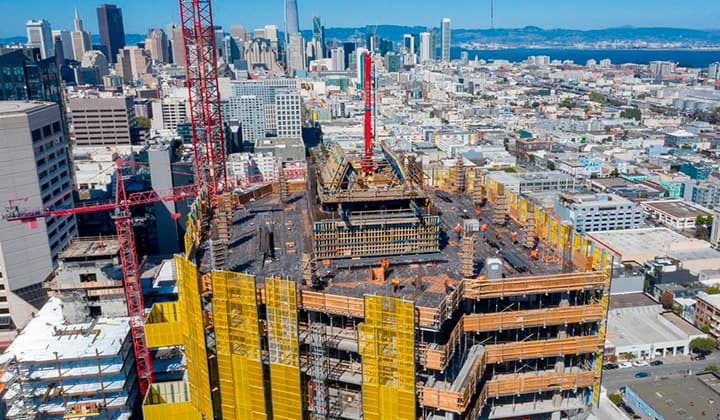
Formwork design automation
Our client from
California, USA
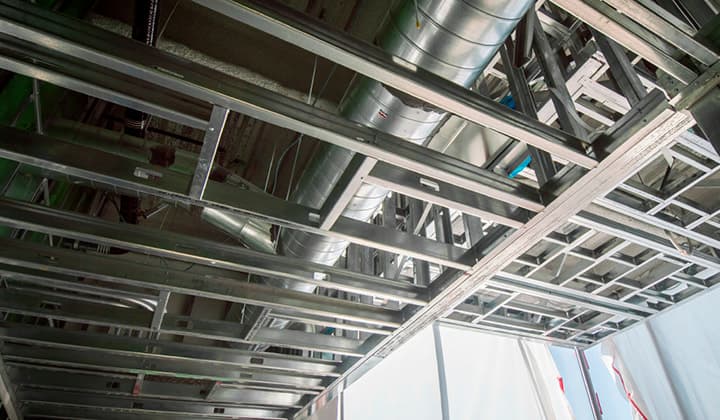
Suspended ceiling design automation
Our client from
New York, USA
Wall framing design automation
Our client from
California, USA