Have any questions? Contact us!
Join our team!
Request a free quote or consultation

Construction projects today demand more than just drawings and site coordination. Mechanical, electrical, and plumbing systems are complex, and if they don’t align properly, the result is delays, costly rework, and frustrated teams. That’s where MEP BIM modeling comes in. By creating a detailed digital model of these systems, teams can spot clashes before they happen, streamline installation, and improve building performance. In practice, it’s a way to bring precision and collaboration into an area of construction that has traditionally been a source of conflict and wasted resources.
Understanding MEP BIM and Its Role in Modern Projects
MEP BIM modeling brings together three critical systems in a building – mechanical, electrical, and plumbing – into a single coordinated digital environment. Rather than treating each trade separately, it builds one detailed 3D model where engineers, architects, and contractors can see how their work connects.
The idea is simple: catch problems before they show up on site. A duct running into a beam, an electrical conduit overlapping with a sprinkler line – these are the kinds of clashes that stall projects and drive up costs. With MEP BIM, those issues are spotted early and resolved virtually, saving time, money, and unnecessary stress during construction.
But it’s not only about avoiding mistakes. A well-structured MEP BIM model becomes a foundation for smarter decisions. Teams can simulate performance, test energy efficiency, and refine layouts to get the most out of every square meter. It’s a shift from reacting to problems in the field to proactively designing systems that work together from day one.
Powerkh: Shaping the Future of MEP BIM

Powerkh is a UK-based company with offices in Ukraine and the USA, specializing in MEP (Mechanical, Electrical, and Plumbing) modeling services for the construction industry. Our focus is on creating accurate 3D models of MEP systems using BIM (Building Information Modeling) technology. We work with architects, engineers, and contractors to design and coordinate MEP systems for a range of construction projects, including commercial and industrial buildings.
Our MEP modeling services include developing detailed models of mechanical, electrical, and plumbing systems within a BIM environment. We ensure these systems are properly integrated into the overall building design, providing services such as clash detection and coordination across disciplines. We also deliver 2D installation drawings to support on-site implementation.
MEP modeling services help reduce errors, improve system efficiency, and enhance collaboration across project teams. By using BIM technology, we help clients plan and visualize MEP systems more effectively, leading to time and cost savings during construction.
The Building Blocks of MEP BIM

When people talk about MEP BIM, they often think of it as just “3D drawings.” In reality, it’s a structured process built on several core elements that make the model truly useful. Each of these building blocks adds a layer of clarity and control to a project.
3D System Modeling
At the core is the digital model itself. Mechanical ducts, electrical conduits, plumbing lines – everything is drawn with precise dimensions and properties. This isn’t a sketch; it’s an accurate representation of how systems will fit inside the building.
Clash Detection and Coordination
The real value shows up when different systems interact. With clash detection, the model exposes conflicts before they hit the field. A misplaced pipe or oversized duct can be fixed in hours on screen rather than weeks on site.
Quantity Takeoffs
Material planning is another critical piece. From the model, teams can extract accurate counts and quantities for every fitting, cable, or section of pipe. That means fewer surprises during procurement and tighter control over budgets.
Energy and Performance Analysis
A good MEP BIM model isn’t just static – it can be tested. Running simulations allows designers to understand how HVAC will perform under peak loads, how lighting impacts energy use, or how plumbing systems will handle demand.
Scheduling and Sequencing
Integrating MEP data into project timelines ensures installation happens in the right order. Instead of trades working on top of each other, tasks can be sequenced properly, saving time and avoiding frustration on site.
Collaboration and Communication
Finally, the model serves as a shared reference point for the entire team. Engineers, architects, and contractors can all access the same data, reducing miscommunication and keeping everyone aligned from design through installation.
Why MEP BIM Makes a Real Difference
The shift to MEP BIM isn’t just about having prettier drawings. It changes how projects run day to day, cutting down on wasted effort and making teams work smarter. Here’s what it brings to the table:
- Fewer errors and less rework: By catching clashes in the digital model, teams avoid costly on-site fixes. What might take weeks to correct in the field can often be solved in hours on screen.
- Better cost control: Accurate material takeoffs from the model mean procurement is more predictable. No more last-minute shortages or overspending on supplies.
- Time savings across trades: With sequencing built into the model, mechanical, electrical, and plumbing work can be coordinated properly. That keeps crews from stepping on each other’s toes and keeps the schedule on track.
- Higher system performance: Energy and performance simulations highlight weak points early. HVAC, lighting, and plumbing layouts can be optimized before a single component is installed.
- Smoother collaboration: Everyone works off the same model, whether it’s the architect, engineer, or contractor. That shared view reduces miscommunication and keeps decisions transparent.
- Support for sustainability goals: With energy analysis baked in, BIM makes it easier to design efficient systems and lower a building’s environmental footprint from the start.
Software and Tools Powering MEP BIM

The strength of any MEP BIM process comes from the tools behind it. Some handle the design, others focus on performance analysis, while a few are built to detect clashes or prepare models for fabrication. Used together, they form a connected workflow that keeps projects accurate and efficient.
Core Design Platforms
These are the foundations for modeling, giving teams the precision needed to build reliable digital versions of mechanical, electrical, and plumbing systems.
- Autodesk Revit: The leading platform for creating detailed 3D models of MEP systems, including ducts, pipes, and conduits.
- AutoCAD MEP: Widely used for mechanical and plumbing layouts, especially in projects transitioning from 2D to BIM.
Simulation and Analysis
Here, engineers test how systems will actually perform once installed – covering everything from heating and cooling loads to lighting and water flow.
- TRACE 3D Plus, HAP, eQuest: HVAC load calculations and energy modeling.
- Dialux, AGi32: Lighting and electrical performance simulations.
- WaterCAD, SewerCAD: Accurate plumbing and water flow analysis.
Clash Detection and Coordination
These tools bring all models together, highlighting conflicts between trades so they can be resolved before anyone steps on site.
- Navisworks: Consolidates models from every discipline and spots conflicts.
- Solibri Model Checker: Ensures compliance and overall quality control.
- BIM 360: Cloud-based platform that supports design sharing and team coordination.
Fabrication and Prefabrication
At this stage, digital models turn into buildable data, helping teams produce components that fit correctly the first time.
- Fabrication CADmep: Generates shop drawings and fabrication-ready models.
- Trimble SysQue: Adds manufacturer-specific detail for prefabrication workflows.
How MEP BIM Improves Construction Workflow
Bringing MEP systems into a shared BIM model changes how projects move from planning to installation. Instead of each trade working in isolation, the model creates a single point of truth where mechanical, electrical, and plumbing layouts are coordinated before construction starts. That alone eliminates many of the surprises that usually stall progress on site.
The impact is most visible in sequencing and collaboration. With BIM, contractors can see the exact order in which systems should be installed, reducing overlaps and wasted effort between teams. Procurement also becomes smoother – quantities come directly from the model, so materials arrive in the right amount at the right time. Add performance simulations into the mix, and teams can make better design decisions early, rather than scrambling to adjust mid-project.
Practical Hurdles in Adopting MEP BIM
While MEP BIM offers clear advantages, it’s not a plug-and-play solution. Teams adopting it often face a few practical hurdles that need to be planned for from the start.
Data Accuracy and Model Detail
BIM models are only as strong as the information inside them. If system dimensions, loads, or material properties are incomplete or outdated, the output quickly loses value. Deciding the right Level of Detail (LOD) for each stage of the project is critical to avoid over-modeling or leaving gaps.
Skilled Workforce and Training
Specialized software requires people who know how to use it effectively. Not every project team has in-house BIM expertise, and bringing staff up to speed takes time. Many firms tackle this by blending internal resources with external BIM consultants until the knowledge gap is closed.
Upfront Investment vs. Long-Term Gains
BIM often demands more effort in the early stages – more coordination meetings, more modeling hours, and sometimes new software licenses. The payoff comes later, when errors and rework are reduced, but convincing stakeholders to commit upfront can still be a challenge.
Integration with Existing Workflows
Construction teams used to 2D drawings or traditional coordination methods may struggle at first. Aligning BIM with established processes, from procurement to on-site execution, takes adjustment. Success usually comes from introducing BIM step by step, rather than trying to replace everything overnight.
Where MEP BIM Is Headed Next
MEP BIM is already reshaping how projects are designed and built, but its role is only set to expand. As buildings become smarter and more connected, digital models will serve as more than just design tools – they’ll act as living databases that support operations long after construction is finished. Facility managers will rely on them to plan maintenance, optimize energy use, and even predict system failures before they happen.
We’re also seeing closer ties between BIM and emerging technologies. Integration with IoT devices and real-time sensors will allow teams to feed performance data back into the model, turning it into a dynamic resource rather than a static record. Pair that with AI-driven analysis, and MEP systems can be fine-tuned for efficiency at a level that wasn’t possible before.
Another clear shift is the growing role of prefabrication and modular construction. BIM already supports shop drawings and fabrication models, but the future points toward tighter automation where digital designs flow directly into manufacturing lines. That connection will cut waste, shorten project timelines, and give construction teams a level of control that used to belong only to the factory floor.
Conclusion
MEP BIM modeling has moved from being a “nice to have” to something essential for modern construction. By bringing mechanical, electrical, and plumbing systems into a single digital environment, it reduces errors, improves collaboration, and makes buildings perform better from day one. The real benefit is that projects stop running on assumptions and start running on accurate data.
Adopting BIM for MEP isn’t always simple – there are upfront investments, training needs, and process changes to consider. But the return comes quickly: fewer clashes, lower rework, and a smoother workflow for everyone involved. Looking ahead, MEP BIM will only become more powerful as it connects with IoT, automation, and smart building technologies. For teams that want to stay competitive, getting comfortable with it now is a smart move.
FAQ
What does MEP BIM stand for?
MEP BIM refers to Mechanical, Electrical, and Plumbing Building Information Modeling. It’s the process of creating a coordinated 3D digital model that combines these critical systems within a construction project.
Why is MEP BIM important in construction?
It helps prevent costly mistakes by detecting clashes before construction begins. It also improves efficiency, reduces waste, and ensures different trades work together without conflicts.
Does MEP BIM add costs to a project?
There can be more effort at the start, but it usually pays off. Early investment in modeling reduces rework, shortens project schedules, and prevents material waste, which saves money overall.
Can MEP BIM improve energy efficiency?
Yes. With simulation tools, designers can test different HVAC, lighting, and plumbing scenarios to optimize performance. This often results in lower energy use and better sustainability outcomes.
Our Case Studies
We have handled 200+ BIM & VDC projects for commercial, industrial, and residential sectors.
Our work includes:
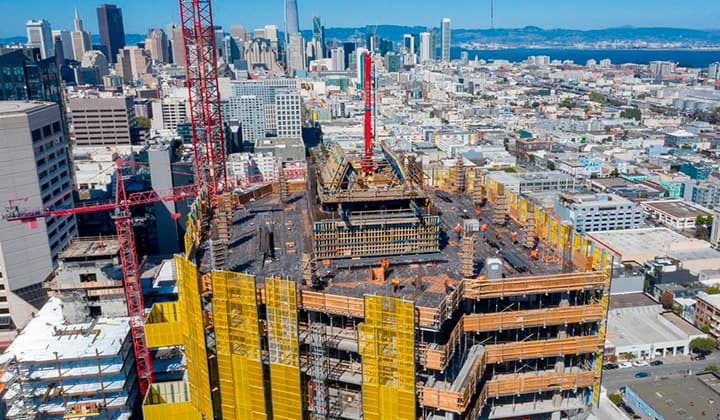
Formwork design automation
Our client from
California, USA
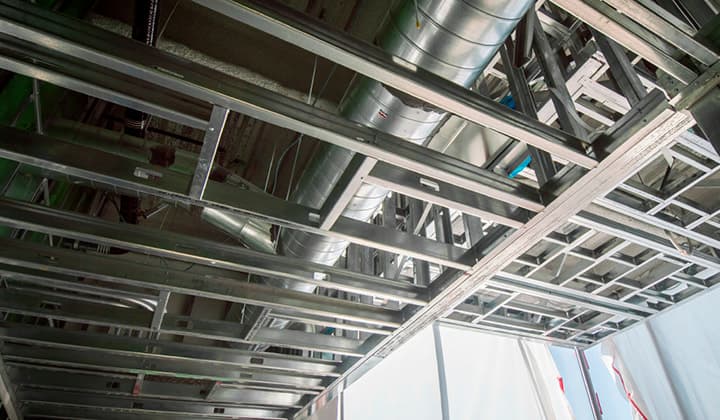
Suspended ceiling design automation
Our client from
New York, USA
Wall framing design automation
Our client from
California, USA