Have any questions? Contact us!
Join our team!
Request a free quote or consultation

How Much Does BIM Drawing Cost: Detailed Pricing Overview
If you’re planning a construction project and considering BIM (Building Information Modeling), it’s natural to ask what it might cost. The truth is, there’s no single price tag. BIM drawing costs can vary widely depending on the level of detail, the type of building, and how far along you are in the design process. In this guide, we’ll break down the key pricing factors and help you understand how much BIM drawings cost, so you can plan with confidence and avoid surprises down the line.
Average BIM Drawing Costs: What You Can Expect to Pay
The cost of BIM drawings can vary depending on the size and complexity of the project, the level of detail required, and the delivery timeline. On average, prices range from $0.30 to $0.90 per square foot. Simpler models with basic geometry and limited detail fall at the lower end of the range. In contrast, high-detail models used for fabrication or facility management tend to cost more.
Alternatively, some professionals charge hourly rates, especially for consulting or smaller-scale drawing work. These rates typically range from $39 to $43 per hour.
If you need fast delivery, expect to pay a premium. For example, producing a BIM document within three days might cost around $350, whereas a longer turnaround time (4 to 6 weeks) could bring the price down to $140. These price differences highlight how important it is to plan ahead when budgeting for BIM.
Key Factors That Affect the Cost of BIM Drawings

Several factors influence how much you’ll pay for BIM drawings. Understanding these variables helps you make better decisions and avoid unexpected costs:
- Project Size: Larger buildings require more modeling work and coordination, which increases cost.
- Level of Detail (LOD): The more detailed the model, the higher the cost. LOD 100 is basic; LOD 500 includes as-built conditions and asset data.
- Building Type: Residential projects are typically less complex than hospitals, labs, or large commercial buildings that require extensive MEP coordination.
- Turnaround Time: Rush jobs often come with higher prices due to added pressure on the modeling team.
- Design Stage: Early-stage concept models cost less than models created for construction or operations.
- In-House vs Outsourced: Doing the work internally may save on service fees but can increase costs for training, software, and hardware.
- Model Revisions and Updates: Frequent changes or unclear project scopes can drive up costs through rework and coordination time.
Knowing what drives BIM drawing costs gives you more control over your budget. By planning ahead, choosing the right level of detail, and understanding where your project fits in terms of complexity and timing, you can make informed decisions that keep your BIM investment efficient and cost-effective.
Powerkh: A Specialized Provider of BIM Shop Drawings

We are Powerkh and our company is a UK-based, that offers Building Information Modeling (BIM) services, with a focus on producing detailed shop drawings for construction and engineering projects. Our goal is to provide accurate and precise drawings using advanced BIM technology, ensuring the design is implemented correctly during construction.
Our services include creating 2D and 3D shop drawings, clash detection, and coordinating different trades to avoid conflicts on-site. We support clients in various sectors such as commercial, residential, and infrastructure projects. Our team is experienced in handling projects of all sizes and complexities, ensuring efficiency and accuracy throughout the process.
In addition to our UK headquarters, we have offices in Ukraine and the USA, allowing us to serve clients across multiple regions. This international presence helps us provide cost-effective and timely solutions while maintaining high standards of service. We aim to deliver reliable, precise results at every stage of the project.
Key Highlights:
- UK-based company with offices in Ukraine and the USA.
- Specializes in Building Information Modeling (BIM) services, focusing on shop drawings for construction and engineering projects.
- Offers both 2D and 3D shop drawings, clash detection, and trade coordination.
- Serves clients across commercial, residential, and infrastructure sectors.
- Experienced team handling projects of varying sizes and complexities.
- Focus on accurate, reliable, and efficient project execution.
Services:
- 2D and 3D shop drawings
- Clash detection
- BIM coordination between different trades
- Design-to-construction implementation support
- Construction project consultancy and planning assistance
BIM LOD Explained: How Detail Levels Influence Cost
LOD (Level of Development or Detail) defines how much information is included in a BIM model at different project stages. The higher the LOD, the more detailed and time-consuming the work, which directly affects cost.
Here’s a breakdown of the typical LOD stages:
- LOD 100 – Conceptual. Basic shapes and volumes used for early massing and feasibility studies. Lowest cost.
- LOD 200 – Approximate Geometry. Elements are modeled with approximate sizes and locations. Suitable for schematic design.
- LOD 300 – Precise Geometry. Includes exact dimensions and spatial coordination. Required for construction documentation.
- LOD 400 – Fabrication and Assembly. Includes fabrication details and installation-ready elements. More labor-intensive.
- LOD 500 – As-Built Conditions. Represents the final built project with asset data. Used for operations and facility management. Highest cost.
Choosing the right LOD early on can help avoid overspending while still meeting project requirements.
Cost-Saving Tips for BIM Drawings Without Losing Quality

Managing BIM drawing costs doesn’t mean cutting corners or sacrificing accuracy. With the right approach, you can control your budget while still getting dependable, high-quality output that meets your project goals. Here are several proven ways to reduce expenses without compromising value:
1. Plan the LOD Wisely
Be strategic about the Level of Detail you choose. Higher LODs (like LOD 400 or 500) require more time and effort, which means higher costs. For early planning or concept stages, LOD 100 or 200 is usually enough. Focus on delivering just the right amount of information for each phase of the project to avoid unnecessary modeling work.
2. Start BIM Early
Introducing BIM during the initial design phase helps catch potential clashes and inconsistencies before they become expensive problems. Early coordination between architects, engineers, and consultants minimizes the need for major revisions later and leads to smoother construction workflows.
3. Reuse Existing Content
Using existing BIM libraries, templates, and components can significantly cut down on modeling time. Reusing pre-approved elements also improves consistency across the project and reduces the risk of errors or omissions.
4. Minimize Last-Minute Changes
Design changes made late in the process often require substantial rework and disrupt schedules. To keep costs down, align all stakeholders from the beginning, confirm the design brief, and avoid scope creep. A well-defined and agreed-upon plan saves both time and money.
5. Outsource the Task
Instead of building a full in-house team for every task, consider outsourcing. This approach lets you tap into expert skills when needed, without the ongoing costs of hiring or training permanent staff. It’s especially helpful for short-term or high-volume needs.
By applying these strategies, you can make smarter BIM decisions that reduce costs, improve efficiency, and support better project outcomes over time.
Is BIM Worth the Investment? Long-Term Value Breakdown
While BIM drawings may seem costly upfront, they offer substantial returns over the lifecycle of a project. The initial investment often pays off in reduced errors, faster construction, and better coordination.
Here are some of the long-term benefits:
- Fewer Design Conflicts: BIM helps detect clashes early, reducing expensive onsite corrections.
- Improved Scheduling: More accurate planning and sequencing shorten construction timelines.
- Better Cost Control: Early-stage quantity takeoffs and model-based estimates help avoid budget surprises.
- Enhanced Collaboration: Shared 3D models improve communication across teams.
- Facility Management: Detailed as-built models (LOD 500) support maintenance, asset tracking, and renovations.
In many cases, BIM can reduce overall construction costs by 15 to 20 percent. For most building projects, that makes it a smart, long-term investment.
Conclusion
The cost of BIM drawings depends on several key factors, including the project’s size, complexity, level of detail, and timeline. While basic conceptual models may start at just a few cents per square foot, highly detailed, construction-ready or as-built models can be significantly more expensive. Still, the value BIM provides in terms of accuracy, coordination, and long-term savings often outweighs the upfront cost.
Understanding what drives pricing and planning accordingly can help you stay within budget without sacrificing quality. Whether you’re managing a small residential build or a large commercial facility, having a clear BIM strategy will ensure your investment delivers real project value.
FAQ
How much do BIM drawings typically cost per square foot?
Pricing usually ranges from $0.30 to $0.90 per square foot, depending on the level of detail and project complexity.
Are hourly rates common for BIM work?
Yes, especially for consulting or specialized tasks. Hourly rates generally fall between $39 and $43, depending on experience and scope.
Why does the level of detail (LOD) matter so much in pricing?
Higher LOD models require more time and effort to develop, especially at LOD 400 or 500. These are used for fabrication and as-built documentation, which demand high precision.
Can I reduce costs by starting BIM earlier in the project?
Yes. Early adoption allows for better coordination and fewer changes later, which helps control both cost and timeline.
Is it cheaper to do BIM in-house or outsource it?
It depends on your team’s experience and tools. Outsourcing may be more cost-effective for short-term or complex tasks, while in-house work requires upfront investment in training and software.
Do BIM drawings really offer long-term savings?
Absolutely. They help reduce design errors, speed up construction, and improve coordination — all of which translate into financial savings over time.
Our Case Studies
We have handled 200+ BIM & VDC projects for commercial, industrial, and residential sectors.
Our work includes:
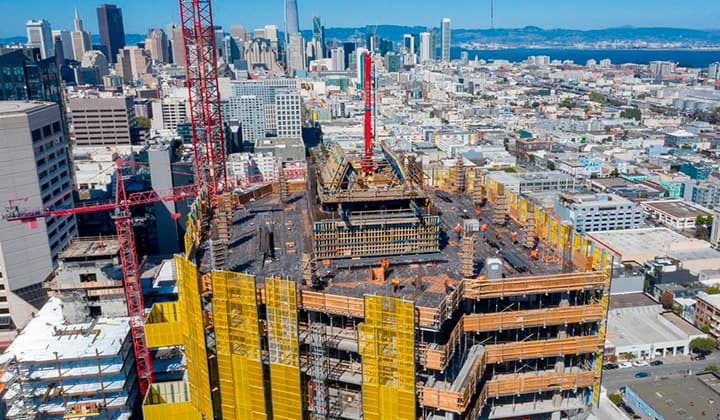
Formwork design automation
Our client from
California, USA
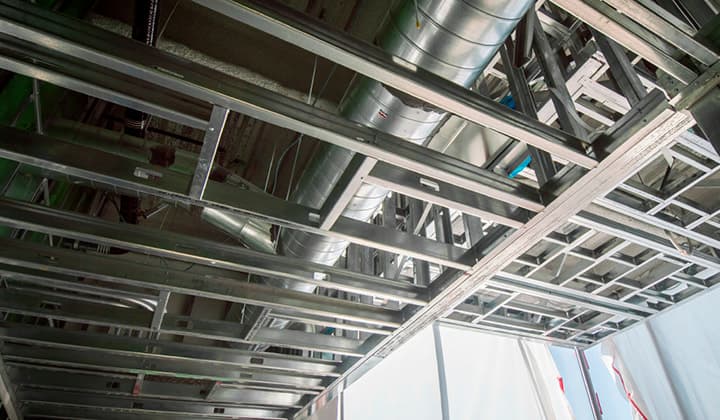
Suspended ceiling design automation
Our client from
New York, USA
Wall framing design automation
Our client from
California, USA