Have any questions? Contact us!
Join our team!
Request a free quote or consultation

If you’re planning a construction, renovation, or design project and need accurate 3D data, you’ve probably come across point cloud modeling. It’s a reliable way to turn real-world spaces into detailed digital models – but how much does it actually cost? The answer depends on a few key factors like project size, complexity, and the type of deliverables you need. In this guide, we break down what goes into the point cloud modeling price and what you can expect to pay, whether you’re working on a small residential job or a large commercial site.
Average Cost Ranges for Point Cloud Modeling
The cost of point cloud modeling can vary a lot depending on the size and complexity of the project. For small, simple jobs like scanning a single room or apartment, prices typically start around $500 to $1,500. These projects usually involve fewer scan positions and minimal post-processing.
Medium-sized projects, such as residential homes, commercial offices, or small industrial spaces, usually fall in the range of $1,500 to $5,000. These jobs require more scanning time, higher data density, and may include deliverables like basic 2D drawings or a cleaned-up point cloud.
For large or complex sites, such as factories, high-rise buildings, or heritage structures, costs can go from $5,000 up to $20,000 or more. These projects demand more time on-site, advanced equipment, and in-depth modeling that may include 3D Revit files or BIM-ready outputs.
Cost Breakdown by Deliverables: Point Cloud, 2D Drawings, and BIM Models
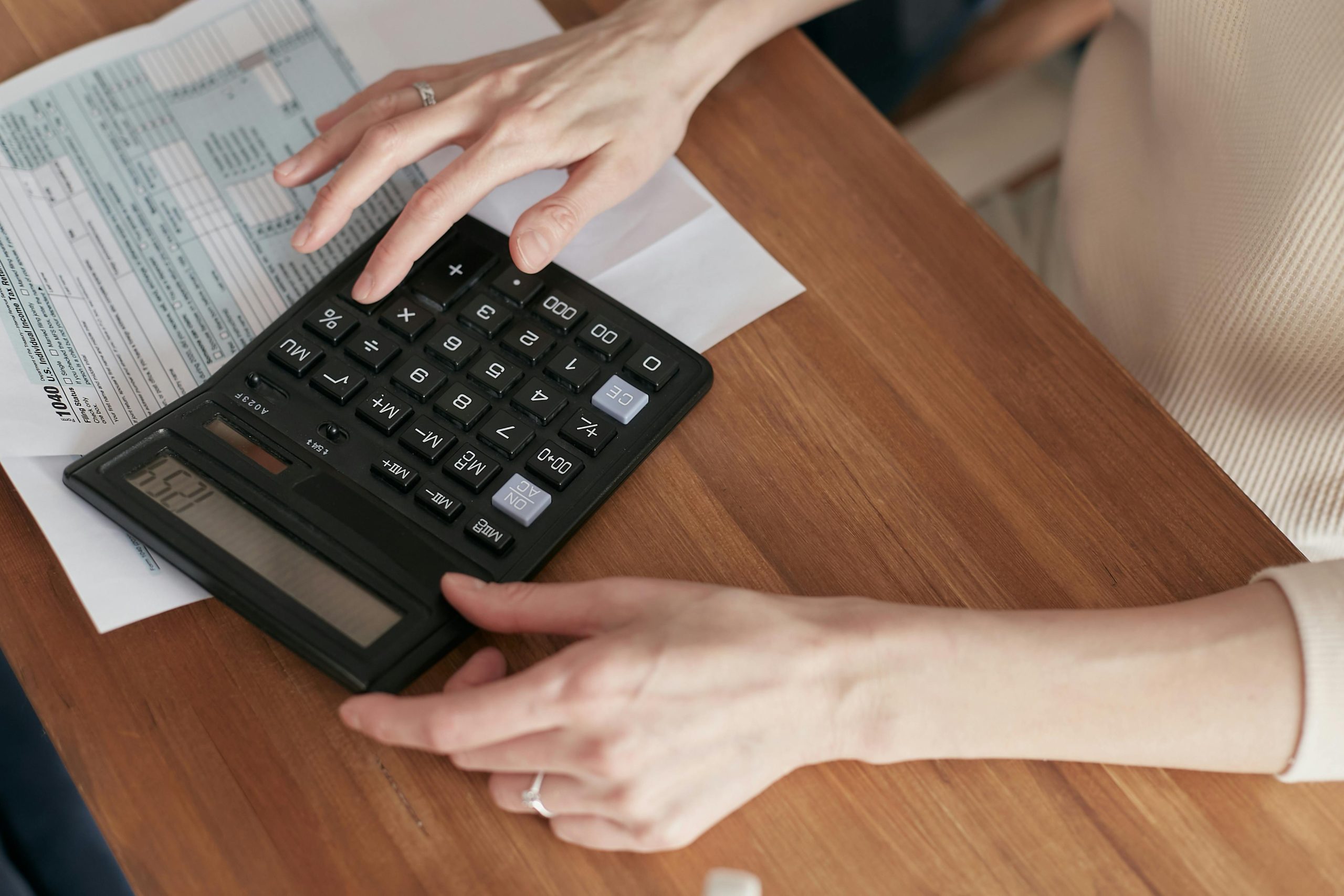
What you need from the scan plays a big role in the final price. Some clients only need a raw point cloud, while others require detailed 2D plans or full 3D BIM models. Here’s how deliverables affect pricing:
Point Cloud Only
- Usually the most affordable option.
- Includes raw or registered scan data (e.g., in .e57 or .rcs format).
- Ideal for clients with in-house modeling capabilities.
2D CAD Drawings
- Costs more due to added time for converting scan data into usable drawings.
- Common deliverables: floor plans, elevations, sections.
- Useful for planning applications or basic refurbishments.
3D Models or BIM Files
- Highest cost due to complexity and modeling detail.
- Outputs include Revit (.rvt), IFC, or SketchUp (.skp).
- Suitable for architectural design, clash detection, and construction coordination.
The more detailed and processed the output, the higher the modeling cost will be.
Powerkh: Expert Support for Point Cloud Modeling Projects

Powerkh is a company that provides point cloud modeling services through advanced scan-to-BIM technology. We are a UK-based company with offices in Ukraine and the USA. We use laser scanning and 3D point cloud data to create precise digital models of existing structures. This enables our clients in construction, engineering, and architecture to work with accurate, real-world data for better planning and project execution.
In our company, we focus on transforming raw point cloud data into detailed 3D models that can be used for various applications, from building renovations to new construction projects. Our point cloud modeling services allow teams to visualize and understand the complexities of structures before making design decisions, reducing risks and improving project outcomes.
Our models integrate easily with other tools, helping clients streamline workflows and make informed decisions throughout the project lifecycle.
Key Highlights:
- UK-based company with offices in Ukraine and the USA
- Specializes in point cloud modeling and scan-to-BIM services
- Utilizes laser scanning and 3D point cloud technology for accurate digital models
- Serves industries including construction, engineering, and architecture
- Focus on delivering precise, detailed models for renovation and new construction projects
- Offers additional services like facility management and asset tracking
- Models integrate seamlessly with other tools for streamlined workflows
Services:
- Point Cloud Modeling
- Scan-to-BIM
- Facility Management
- Asset Tracking
- Data Integration
Key Factors That Affect Point Cloud Modeling Costs
Several key factors influence the final cost of a point cloud modeling project. Understanding these elements can help you budget more accurately and make informed decisions about the level of service you need.
Project Size
Larger buildings or outdoor sites require more scan positions to ensure full coverage. More data collection also means longer setup times, more scan registration, and extended processing periods, all of which increase the cost.
Scan Density
Scan density refers to how many data points the scanner captures per square meter. High-density scans create more detailed models, which are ideal for projects needing precision, but they take more time to perform and process, raising the overall price.
Level of Detail (LOD)
Projects that require basic geometry or simple surfaces can be modeled more quickly and at a lower cost. However, if you need intricate architectural elements, MEP features, or historical details modeled with high accuracy, it significantly adds to the workload and the cost.
Number and Type of Deliverables
Providing both 2D plans and 3D models increases the amount of post-processing work. Each deliverable – whether it’s a floor plan, section, elevation, or BIM model – requires time, software tools, and quality control, especially when outputs need to be aligned with specific standards.
Type of Equipment Used
Premium laser scanners offer exceptional accuracy and reliability, especially on large or complex sites. However, the use of high-end equipment may come with a higher service rate compared to more basic scanning tools.
Turnaround Time
If your project has a tight deadline and requires fast delivery, expect to pay more. Rush jobs often need priority scheduling, additional staff, or extended working hours, all of which raise costs.
By considering these factors upfront, you’ll be better prepared to balance your project needs with the available budget.
Site Accessibility, Safety, and Their Impact on Budget

Where and how the scanning takes place can directly impact your costs. Sites that are hard to access – such as high-rise buildings, remote areas, or industrial zones – may require extra time, planning, or even special equipment like drones or scaffolding.
Safety considerations are also important. If scanning must be done in an active construction site, a hazardous area, or a location with strict access controls, additional measures will likely be needed. This may involve securing permits, scheduling after-hours work, or using safety-certified staff. All of this adds to the total cost.
Even urban projects can face accessibility issues, such as parking restrictions or limited daylight hours, which can slow down scanning and increase labor time.
How to Get an Accurate Quote for Point Cloud Modeling
To avoid unexpected costs and project delays, it’s important to give your scanning provider a clear and detailed overview of your needs from the beginning. The more information you provide, the easier it is for them to understand the scope of work, anticipate potential challenges, and offer a realistic quote.
Here’s what you should include when requesting a point cloud modeling quote:
- Project type. Specify whether the site is a residential home, commercial building, industrial facility, or a heritage structure. Each has different requirements, levels of detail, and potential complexities.
- Purpose of the scan. Explain why the scan is being done. Is it for renovation, structural analysis, BIM coordination, planning approval, or asset documentation? The purpose often determines the level of detail and output format required.
- Preferred deliverables. Be clear about the outputs you expect, whether it’s a raw point cloud, 2D CAD drawings, 3D Revit models, or a combination.
- Approximate size of the site. Provide the building or site dimensions in square feet or meters. If available, floor plans or layout sketches can be very helpful.
- Location. Include the full site address. This helps the provider assess access conditions, plan logistics, and estimate travel or accommodation costs if needed.
- Special conditions. Mention any unique factors such as restricted working hours, ongoing construction, confined spaces, or safety risks. Also note if special equipment like drones or tripods will be needed due to height or obstructions.
By sharing this information early on, you’ll avoid vague estimates and get a more accurate, tailored quote that reflects the real scope of your project.
Conclusion
Point cloud modeling has become a reliable tool for turning real-world spaces into accurate digital assets used in design, renovation, construction, and documentation. While the cost can vary based on factors like site size, scan density, project complexity, and the type of deliverables required, it’s clear that this service brings long-term value.
Whether you need a simple floor plan or a fully developed BIM model, understanding what affects pricing can help you make smart decisions and avoid surprise expenses. With the right planning and a qualified provider, point cloud modeling can fit a wide range of budgets and project goals.
FAQ
How much does point cloud modeling typically cost?
Pricing usually starts around $500 for small, basic projects and can go up to $20,000 or more for complex or large-scale sites. The total depends on several variables like deliverables, detail level, and accessibility.
Is point cloud modeling only for large construction projects?
Not at all. It’s also useful for small renovations, home extensions, interior redesigns, and property documentation. The technology scales to fit different types of projects.
What’s the difference between a point cloud and a BIM model?
A point cloud is raw 3D data captured from laser scans. A BIM model is a structured, intelligent 3D representation created from that data, often used for design, coordination, and facility management.
Do I need to process the point cloud myself?
Only if you choose to. Many service providers, like Powerkh, offer full processing – from registration to final BIM outputs – so you receive ready-to-use files without needing to handle raw data.
Our Case Studies
We have handled 200+ BIM & VDC projects for commercial, industrial, and residential sectors.
Our work includes:
Formwork design automation
Our client from
California, USA
Suspended ceiling design automation
Our client from
New York, USA
Wall framing design automation
Our client from
California, USA