Have any questions? Contact us!
Join our team!
Request a free quote or consultation

BIM, short for Building Information Modeling, refers to a range of digital services used to create detailed, data-rich models of buildings and infrastructure. These models go far beyond simple drawings; they contain information about materials, systems, geometry, timelines, and more. BIM services are used by architects, engineers, contractors, and facility managers to improve planning, reduce errors, and support collaboration throughout a building’s lifecycle. Whether it’s a renovation or a brand-new structure, BIM helps teams work smarter and avoid costly surprises.
What Does BIM Mean?
BIM, or Building Information Modeling, is the process of creating and managing digital models of buildings or infrastructure. These models include detailed information about the structure’s geometry, materials, systems, and other physical and functional data.
It’s used by architects, engineers, contractors, and facility managers to plan, design, build, and operate buildings more efficiently. Instead of working from disconnected drawings or documents, teams use a single digital model that helps reduce mistakes, improve coordination, and support decision-making throughout the project lifecycle.
Core Components of BIM Services
BIM services include several key features that support different stages of a construction project, from design to facility management. Below are the main components and what they cover:
- 3D Modeling: The creation of a detailed digital representation of a building or infrastructure, including geometry and design elements. Used to visualize and plan before construction begins.
- Clash Detection: Identifies conflicts between systems (e.g., plumbing vs. structural elements) within the digital model. Helps prevent costly changes and construction delays.
- Quantity Takeoff: Automatically extracts material quantities and component counts from the model. Improves cost estimates, budgeting, and procurement planning.
- 4D Scheduling: Connects time data to the 3D model to build and visualize a construction timeline. Useful for tracking progress and coordinating tasks on site.
- 5D Cost Estimation: Integrates budget and cost data into the model. Allows real-time updates to cost estimates when design changes are made.
- 6D Facility Management: Uses the completed model to support operations and maintenance. Includes data on equipment, systems, and service schedules for building lifecycle management.
Building Smarter with Powerkh’s End-to-End BIM Solutions

Powerkh is a UK-based company providing comprehensive Building Information Modeling (BIM) services, focused on enhancing the design, planning, and construction phases of building and infrastructure projects. With offices in the UK, Ukraine, and the USA, we leverage our global presence to offer tailored BIM solutions that foster seamless collaboration across international teams. Our services include 3D modeling, clash detection, and data integration, all aimed at ensuring projects are completed with precision, efficiency, and minimal risk.
At Powerkh, we are committed to driving digital transformation within the construction industry. Our BIM solutions help clients streamline workflows, improve project outcomes, and enhance decision-making. By ensuring that all project data is up-to-date and easily accessible, we enable project teams to work more collaboratively and avoid costly errors throughout the project lifecycle.
With a focus on meeting diverse client needs across different regions, we are equipped to reduce delays, manage costs, and ensure successful project completion, no matter the scale or location.
Why BIM Services Matter in Construction

BIM plays a central role in modern construction by improving collaboration, reducing risks, and making the entire project lifecycle more efficient. Below are the main reasons why it matters:
1. Improved Coordination
BIM enables architects, engineers, contractors, and owners to work within a shared digital environment. This centralized model ensures that design updates, technical changes, and construction adjustments are reflected in real time, reducing the risk of misalignment and communication gaps between disciplines.
2. Error and Clash Reduction
One of BIM’s most practical advantages is clash detection. By combining architectural, structural, and MEP models, the system automatically identifies spatial conflicts before construction begins. This helps avoid design errors, unexpected site issues, and costly modifications during the building phase.
3. Faster and Smarter Decisions
With detailed and accurate information always available, project teams can make informed decisions without relying on outdated drawings or fragmented communication. Real-time data access improves collaboration and speeds up the approval process, which is critical for staying on schedule.
4. Better Project Planning
BIM connects the design model to scheduling tools (4D BIM), allowing project managers to simulate construction stages, allocate resources, and visualize project sequences. This improves the accuracy of timelines, helps prevent workflow disruptions, and supports efficient use of labor and materials.
5. Sustainability Integration
BIM makes it easier to incorporate environmental performance analysis into the design process. Energy use, thermal behavior, and material impact can be simulated early on, helping teams choose more sustainable materials, systems, and layouts with greater confidence.
6. Efficient Facility Management
Once construction is complete, the BIM model becomes a digital reference for facility management. It includes detailed information about installed systems, equipment, warranties, and maintenance schedules. This helps building owners and operators streamline upkeep, plan future upgrades, and reduce lifecycle operating costs.
BIM in Action: Real-World Applications
BIM is used across different types of construction projects from complex infrastructure to residential buildings. Below are examples of how BIM services are applied in real scenarios to improve efficiency, accuracy, and project outcomes.
Commercial Buildings
BIM helps developers, architects, and engineers coordinate complex systems in office buildings, shopping centers, hotels, and mixed-use developments. These projects often involve multiple teams, tight schedules, and significant financial stakes. BIM supports clear communication, efficient phasing, and cost control across all phases.
Key uses include:
- Coordination of structural, MEP, and architectural designs
- Accurate cost estimation for large-scale procurement
- Phasing and scheduling of multi-floor construction activities
Infrastructure Projects
Civil infrastructure such as highways, railways, tunnels, and airports requires detailed planning and coordination over large, complex sites. BIM brings together engineering, surveying, and environmental data to support safer, more efficient delivery.
Typical applications:
- 3D modeling of terrain and site conditions
- Integration of survey data and GIS
- Clash detection for underground utilities
- Planning of traffic flow and construction access
Residential Developments
In housing projects especially multi-unit developments BIM helps streamline repetitive layouts and supports efficient coordination between design and construction. It’s also used to plan for off-site prefabrication and reduce on-site labor time.
It’s also useful for:
- Prefabrication and modular construction planning
- Quantity takeoffs for repetitive units
- Coordination with plumbing and electrical layouts
Renovation and Retrofitting
For existing buildings, BIM is often used to create digital models based on current site conditions. These models help teams plan upgrades, extensions, or repairs with minimal disruption to the building’s use.
Applications include:
- Scan-to-BIM for capturing as-built data
- Energy performance analysis for renovation planning
- Maintenance history tracking
Public Sector and Institutional Projects
Government facilities, hospitals, and schools typically involve long-term use and strict regulatory requirements. BIM ensures compliance, facilitates multi-team collaboration, and supports building management after construction.
Common BIM uses:
- Compliance with design and safety codes
- Coordination among large project teams
- Integration with facility management systems
Challenges in BIM Implementation
While BIM offers many advantages, adopting it comes with several practical challenges that organizations need to address. Below are some of the most common issues:
- High Initial Costs: Purchasing BIM software, upgrading hardware, and training staff can require a significant upfront investment, especially for smaller firms.
- Steep Learning Curve: BIM tools and workflows are complex. Teams used to traditional CAD systems may face difficulties adapting without proper training and ongoing support.
- Lack of Standardization: Inconsistent use of data formats, naming conventions, and modeling practices across teams can lead to confusion and reduce efficiency.
- Resistance to Change: Shifting to BIM often requires changing how teams collaborate and make decisions. Some stakeholders may be reluctant to move away from familiar processes.
- Data Management Issues: BIM models contain large volumes of data. Managing this information securely and keeping it up to date across all stages of the project can be difficult.
- Limited Interoperability: Not all software platforms are fully compatible with each other. This can create problems when exchanging models or working with external partners using different tools.
The Future of BIM Services: Trends Shaping the Industry
As construction continues to adopt digital tools, BIM is evolving beyond design and coordination into a central platform for data-driven project management. One major trend is the integration of artificial intelligence (AI) and machine learning, which can analyze design data, suggest optimizations, and automate repetitive tasks. Combined with real-time data from Internet of Things (IoT) devices, BIM is becoming a tool not just for building design, but for monitoring performance and managing assets long after construction ends.
Another key development is the use of extended reality (XR) technologies, including virtual reality (VR) and augmented reality (AR), which allow project teams and clients to experience a building before it’s built. In parallel, cloud-based collaboration is making it easier for distributed teams to access models, update information, and work in sync across locations. As digital twins and lifecycle modeling gain traction, BIM is shifting from a project-specific tool to a long-term strategy for smarter, more sustainable building management.
Conclusion
BIM services offer a comprehensive digital method for managing every phase of a construction project from initial planning to long-term operation. By combining 3D modeling with accurate data, BIM allows teams to visualize designs, detect issues early, and align decisions across architecture, engineering, and construction disciplines.
Beyond design and construction, BIM continues to deliver value through better cost control, scheduling, and facility management. As projects grow in complexity and demand for sustainability increases, BIM has become a central tool for improving efficiency, reducing risk, and supporting smarter building practices.
FAQ
What does BIM stand for?
BIM stands for Building Information Modeling. It refers to both the digital representation of a building and the process used to create, manage, and share that data throughout the project lifecycle.
Who uses BIM services?
BIM services are used by architects, engineers, contractors, project managers, facility operators, and other stakeholders involved in building and infrastructure projects.
What are the main benefits of BIM?
Key benefits include improved collaboration, early clash detection, better cost and schedule control, enhanced design visualization, and easier facility maintenance after construction.
Is BIM only useful for large projects?
No. BIM can be applied to projects of any size. Smaller projects benefit from the same coordination, cost control, and planning advantages as larger ones.
What software is used for BIM?
Popular BIM software includes Autodesk Revit, Navisworks, ArchiCAD, Bentley Systems, and Vectorworks, among others. Different tools are used depending on the project’s needs.
Our Case Studies
We have handled 200+ BIM & VDC projects for commercial, industrial, and residential sectors.
Our work includes:
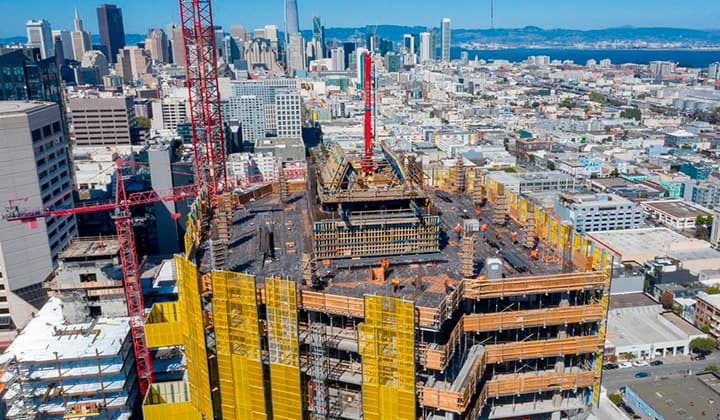
Formwork design automation
Our client from
California, USA
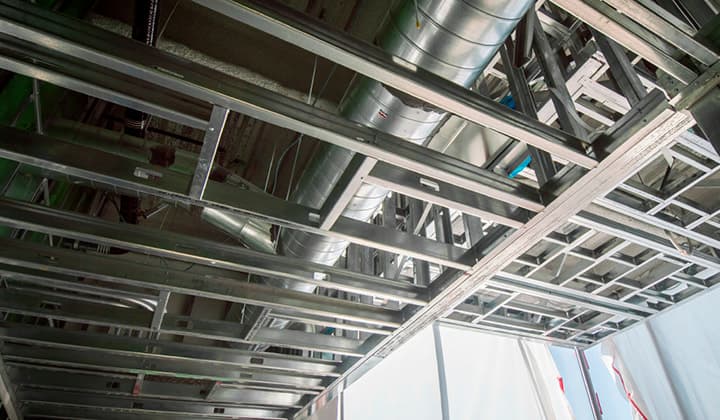
Suspended ceiling design automation
Our client from
New York, USA
Wall framing design automation
Our client from
California, USA