Have any questions? Contact us!
Join our team!
Request a free quote or consultation

Ever wondered how much it costs to capture a building, crime scene, or historical site in stunning 3D detail? Laser scanning makes it possible, but the price tag can vary wildly. From a couple thousand bucks for a small job to tens of thousands for a massive project, the cost depends on a few key factors. Let’s break it down in plain English so you know what to expect and how to plan your budget.
What’s the Average Cost of Laser Scanning?
Laser scanning isn’t a one-size-fits-all service, but on average, you’re looking at $1,000 to $10,000 per project. Smaller jobs, like scanning a single room, might run $1,000 to $3,000, while bigger, more complex projects – like an industrial factory – can easily hit $10,000 or more. If you’re charged by the hour, expect rates between $100 and $500, or daily rates of $1,000 to $3,000. For massive projects, some providers charge per square foot, typically $0.20 to $1.00.
Sounds like a wide range, right? That’s because the cost hinges on what you’re scanning and how detailed you need it to be. Let’s dive into the factors that drive the price.
What Affects Laser Scanning Costs?
Size of the Project
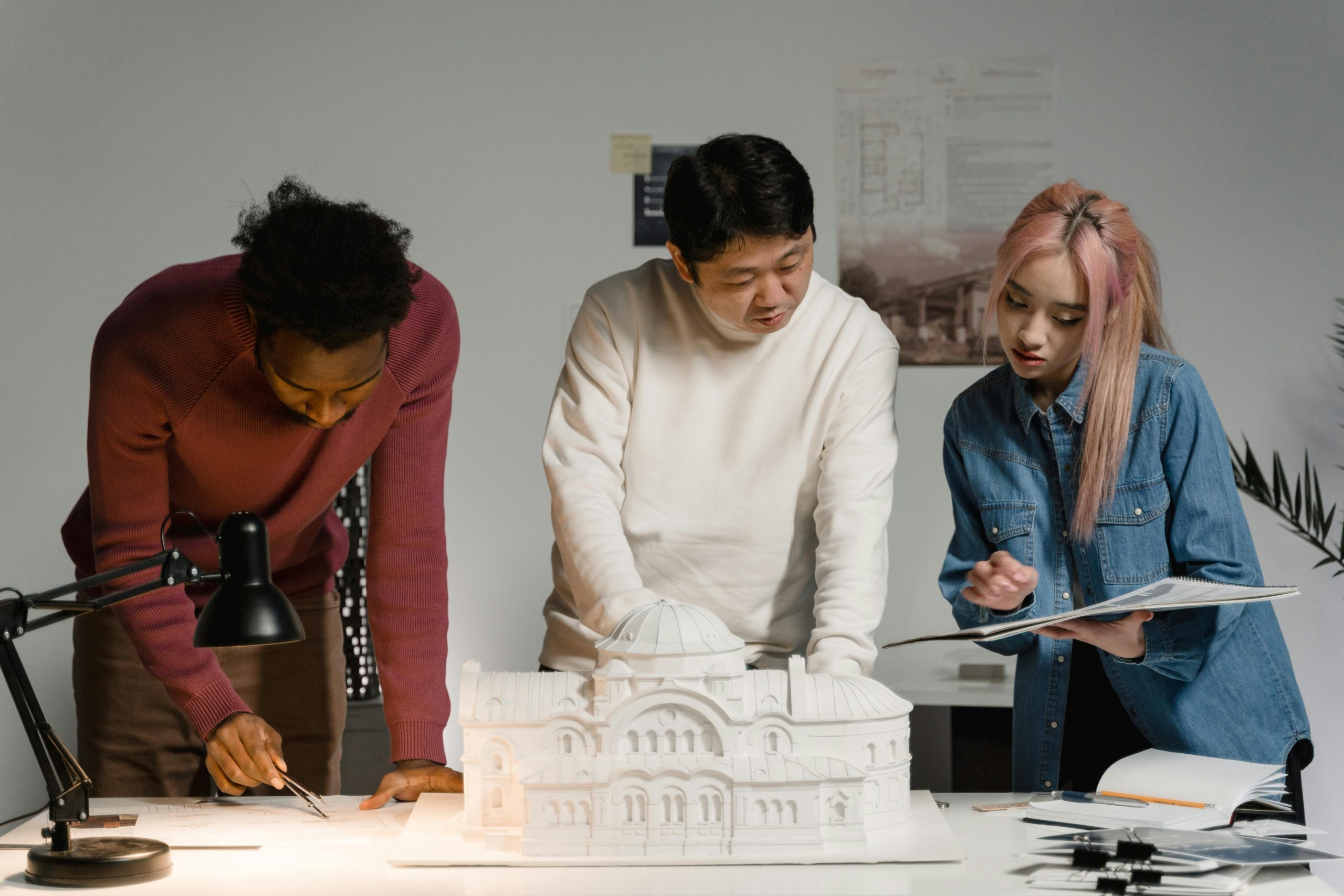
The bigger the area, the higher the cost. Scanning a small office or a single apartment is way cheaper than mapping out an entire warehouse or a sprawling construction site. A small project might take a day and cost $1,000 to $3,000, while a large industrial complex could take several days and push costs toward $10,000 or beyond.
Complexity of the Space
Not all spaces are created equal. A simple, open room is a breeze to scan, but a factory packed with intricate machinery, pipes, or structural details? That’s a different story. Complex shapes and features take more time to capture and process, which bumps up the price. For example, scanning a fast-food restaurant might cost $2,000 to $3,000, but a detailed industrial facility could run $3,000 to $10,000.
Accuracy Needs
How precise do you need the scan to be? If you’re after millimeter-level accuracy – say, for engineering or quality control – you’ll need high-end equipment and more scanning time, which drives up costs. Less demanding projects, like basic site surveys, can use simpler setups and keep prices lower.
Location Challenges
Where you’re scanning matters. If your project is in a remote area, expect extra charges for travel time and logistics. Urban sites are usually easier and cheaper to access, but a far-flung oil platform or rural construction site might add a few hundred or thousand dollars to the bill.
Type of Technology
Laser scanning is just one way to capture 3D data. Alternatives like structured light scanning or photogrammetry can be cheaper, but they often sacrifice accuracy or speed. Laser scanning, with its top-notch precision, tends to cost more, especially if you’re using advanced time-of-flight or phase-shift systems for detailed results.
Deliverables You Want
What do you need at the end of the project? A raw point cloud (the 3D data map) is the cheapest option, but if you want 2D drawings, detailed 3D models, or even BIM (Building Information Modeling) files, the price goes up. Each extra deliverable requires additional processing time and expertise, so be clear about your needs upfront.
Who’s Doing the Work
Different providers charge different rates. A solo freelancer might offer lower prices – say, $100 to $200 per hour – while a specialized firm with cutting-edge tech could charge $300 to $500 per hour. Comparing quotes from multiple providers can help you find the best value.
Powerkh: Laser Scanning for Smarter Construction

At Powerkh, we are a UK-based company specializing in Virtual Design and Construction (VDC) services, with offices in the United States and Ukraine. We assist clients in adopting VDC technologies to streamline workflows and ensure efficient collaboration between architectural, structural, and MEP systems.
Our services include BIM modeling, BIM coordination, Scan to BIM, prefabrication, and structural engineering. We use advanced tools to deliver practical solutions for clash detection, generative design, and workflow automation. These services are designed to address project-specific needs while improving efficiency for architects, engineers, contractors, and on-site teams.
In our company, we use VDC principles to manage complex construction projects. By integrating advanced digital tools, we help clients make informed decisions, improve coordination, and deliver accurate project outcomes. Our work includes detailed shop drawings, prefabrication workflows, and automation processes tailored to meet project goals.
Key Highlights:
- UK-based company with additional offices in the United States and Ukraine.
- Specializes in Virtual Design and Construction (VDC) services to improve project workflows and collaboration.
- Utilizes advanced digital tools for clash detection, generative design, and workflow automation.
- Focuses on integrating architectural, structural, and MEP systems for seamless coordination.
- Provides tailored solutions for architects, engineers, contractors, and on-site teams.
Services:
- VDC Services.
- BIM modeling.
- BIM coordination
- Scan to BIM.
- Prefabrication workflows and structural detailing.
- Generative design and automation processes.
- Structural engineering and detailing
- Detailed shop drawings and clash detection services.
Real-World Cost Examples
To give you a better sense, here are some typical scenarios:
- Small Building: Scanning a small commercial space, like a retail shop or fast-food joint, might take a day and cost $2,000 to $3,000.
- Industrial Facility: A medium-sized plant with complex piping and equipment could take a few days and run $3,000 to $10,000.
- Large Factory: A massive, intricate factory with tons of machinery might require a week or more, costing $40,000 or higher.
These are ballpark figures, but they show how costs scale with size and complexity.
How to Get an Accurate Quote
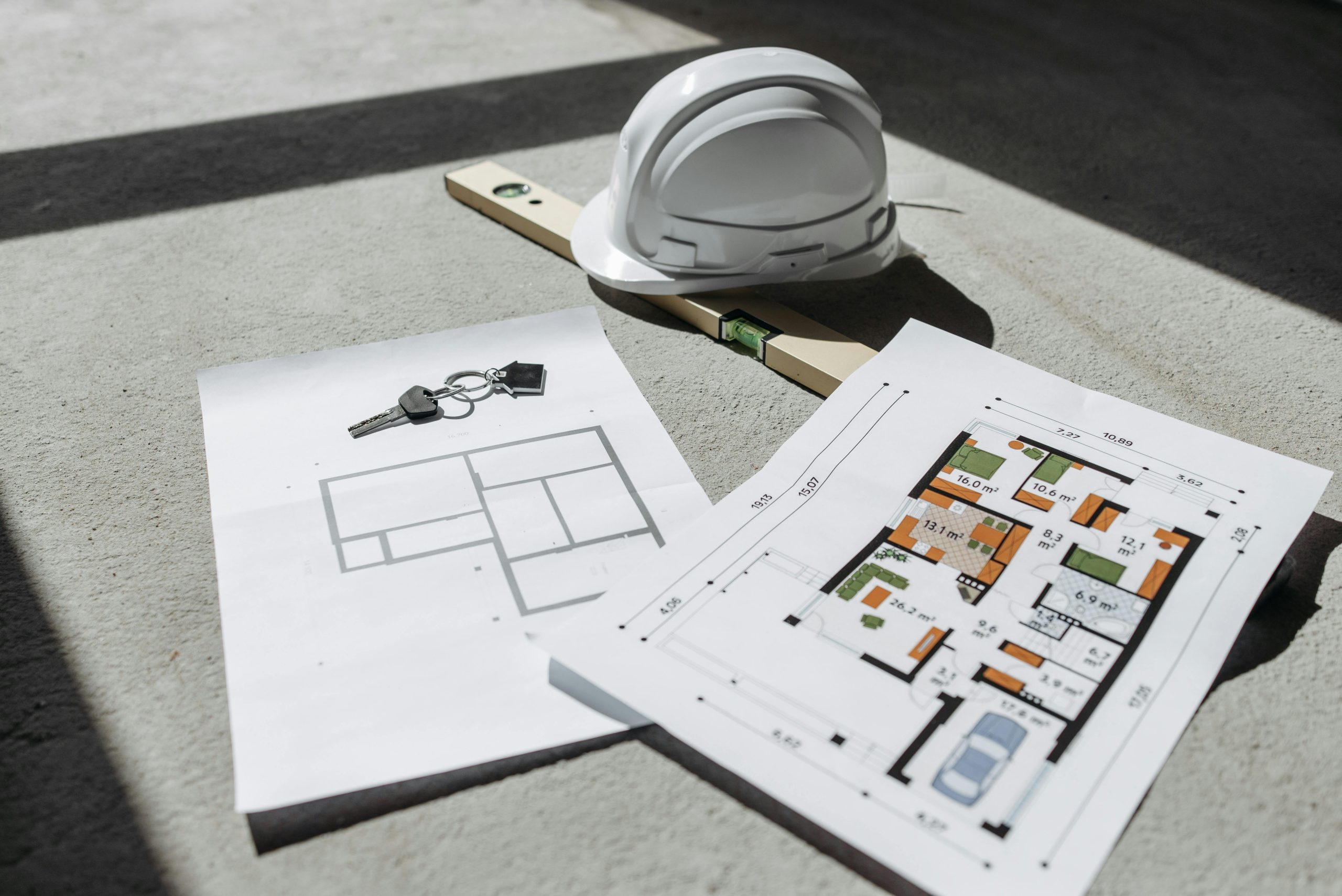
Want to avoid sticker shock? Here’s how to nail down a solid estimate:
- Spell Out Your Needs: Be clear about what you’re scanning, how detailed it needs to be, and what outputs you want (e.g., point cloud, 3D model, or drawings).
- Shop Around: Reach out to multiple providers for quotes. Compare their rates, experience, and what’s included in the price.
- Share the Details: Give providers specifics about your project – size, location, complexity, and timeline. The more they know, the more accurate their quote will be.
Taking these steps can help you budget confidently and avoid surprises.
Is Laser Scanning Worth the Cost?
You might be thinking, “That’s a chunk of change!” But laser scanning often pays for itself. By catching errors early – like misaligned structures in construction or missing details in a renovation – it saves you from costly fixes down the road. Plus, the speed and accuracy mean less downtime and fewer headaches. Whether you’re preserving a historical site, documenting a crime scene, or planning a factory upgrade, the investment in laser scanning can deliver big returns.
Wrapping It Up
Laser scanning costs can range from $1,000 for a quick job to $10,000 or more for a complex project, with hourly rates of $100 to $500 or daily rates of $1,000 to $3,000. Factors like project size, complexity, location, and deliverables all play a role in the final price. By understanding these factors and getting detailed quotes, you can budget smartly and make the most of this powerful technology. Ready to scan your next project? Now you know what it’ll take to get it done right.
Frequently Asked Questions
What is the typical cost range for a laser scanning project?
On average, laser scanning projects cost between $1,000 and $10,000, depending on the project’s size and complexity. Small jobs, like scanning a single room, might run $1,000 to $3,000, while large, intricate projects, such as industrial facilities, can cost $10,000 or more. Hourly rates typically range from $100 to $500, and daily rates fall between $1,000 and $3,000.
Why do laser scanning costs vary so much?
Costs depend on several factors, including the size of the area being scanned, the complexity of the space, the level of accuracy needed, the project’s location, the type of scanning technology used, and the deliverables required (e.g., point clouds, 2D drawings, or 3D models). For example, a simple room is cheaper to scan than a factory with detailed machinery.
How can I get an accurate quote for my laser scanning project?
To get a reliable quote, clearly define your project’s needs – such as the level of detail, accuracy, and desired outputs – and share specifics like size, complexity, and location with providers. Contact multiple providers to compare quotes and services, ensuring you understand what’s included in the price.
Are there cheaper alternatives to laser scanning?
Yes, alternatives like structured light scanning or photogrammetry can cost less, but they often provide lower accuracy or take longer. Laser scanning’s precision and speed make it ideal for projects where detail matters, like construction or forensics, though it’s typically pricier.
Is laser scanning worth the investment?
Absolutely, laser scanning can save money in the long run by catching errors early, reducing rework, and speeding up projects. For instance, in construction, it prevents costly mistakes, and in forensics, it preserves accurate records. The upfront cost – often $1,000 to $10,000 – delivers value through efficiency and precision.
Our Case Studies
We have handled 200+ BIM & VDC projects for commercial, industrial, and residential sectors.
Our work includes:
Formwork design automation
Our client from
California, USA
Suspended ceiling design automation
Our client from
New York, USA
Wall framing design automation
Our client from
California, USA