Have any questions? Contact us!
Join our team!
Request a free quote or consultation

Imagine planning a big construction project – like a new office building or a bridge – without endless stacks of 2D blueprints or miscommunications between teams. That’s where the BIM design process comes in. Short for Building Information Modeling, BIM is like a digital superpower for construction, turning complex ideas into smart, 3D models packed with data. It’s not just about pretty visuals; it’s a way to plan, design, build, and even maintain a project with everyone on the same page. Let’s break down what the BIM design process is and why it’s changing the game for architects, engineers, and builders.
What Is BIM, Anyway?
At its core, BIM is a process that creates a digital twin of a building or infrastructure project before a single brick is laid. Think of it as a 3D model on steroids, loaded with info about everything – walls, pipes, costs, schedules, even how much sunlight will hit the windows. Unlike old-school 2D drawings, BIM lets you see and test the project in a virtual world, catching problems early and saving time and money.
The BIM design process isn’t just about making one model and calling it a day. It’s a collaborative, step-by-step journey that carries a project from the first sketch to the day the building is up and running (and beyond). Here’s how it works.
The Four Stages of the BIM Design Process
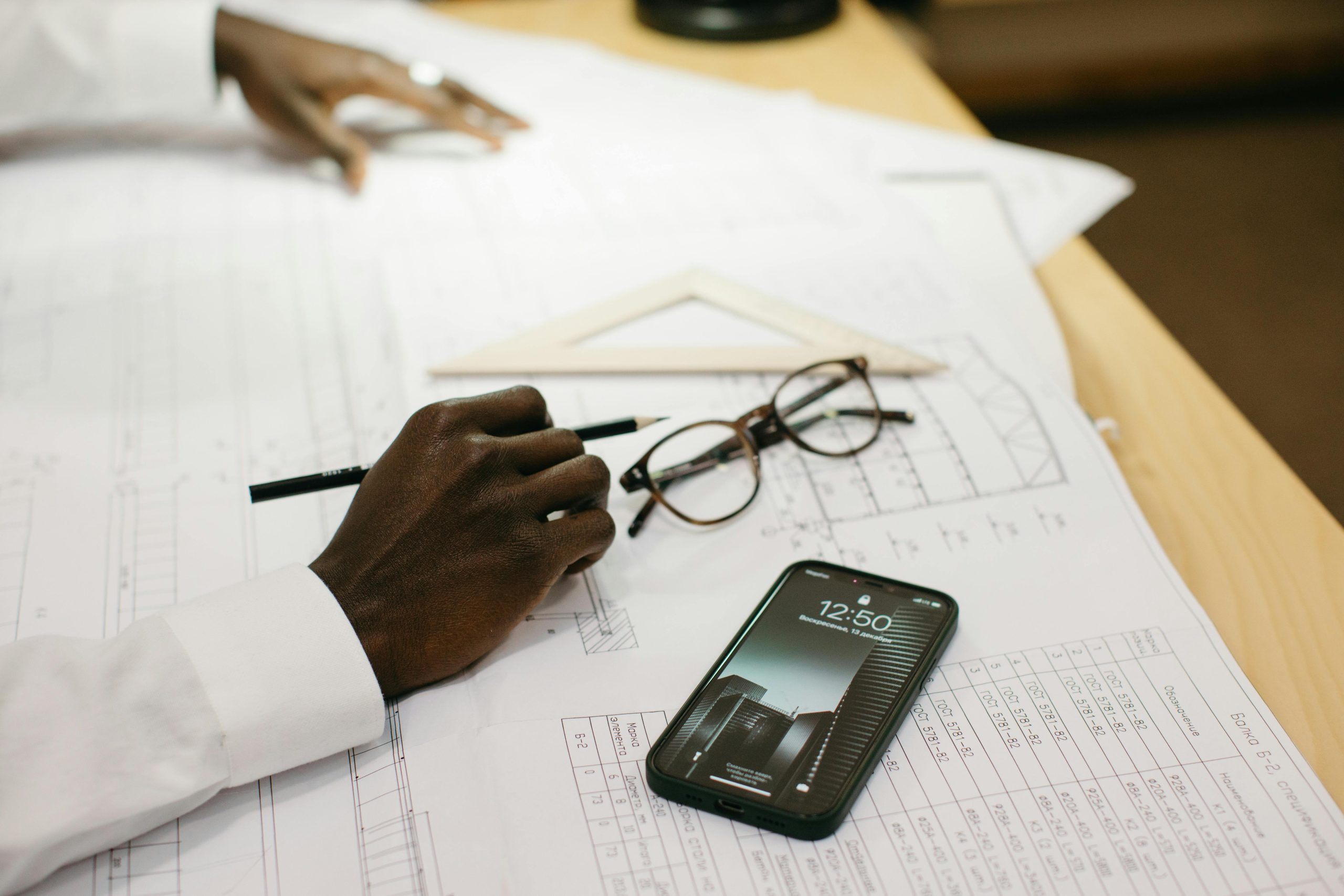
The BIM process can be split into four key stages, each building on the last to make sure the project runs smoothly. Let’s walk through them.
Stage 1: Analysis or Evaluation
Before diving in, you’ve got to know if your team and tools are ready for BIM. This stage is like doing a reality check. Are your architects, engineers, and contractors comfortable with BIM software? Do you have the tech to support it? It’s about asking the tough questions upfront.
- What happens here? Teams assess their skills, review workflows, and make sure everyone’s on board. They might hold feedback sessions to iron out concerns or check contracts to ensure BIM deliverables are clear.
- Why it matters: Skipping this step is like starting a road trip without checking the car. A solid evaluation sets the foundation for success.
Stage 2: Plan/Design Implementation and Construction
This is where the magic happens. In this stage, teams create the 3D model, packing it with data about materials, dimensions, and systems like plumbing or electrical. It’s also when architects and engineers test designs virtually – think simulating how a building handles wind or spotting where pipes might clash with walls.
- What happens here? Stakeholders map out the project plan, define roles, and start designing. The model guides everything from sketches to detailed plans. During construction, it’s used for scheduling, logistics, and even guiding workers on-site with real-time updates.
- Why it matters: This stage catches errors before they become expensive fixes and keeps everyone aligned, from the designer to the contractor swinging the hammer.
Stage 3: Preparation for Transition / Project Pre-Planning
Think of this as the dress rehearsal. Teams use the BIM model to plan the nitty-gritty details before construction kicks off. They might use real-world data – like laser scans of the site – to make the model even more accurate.
- What happens here? Teams standardize how data is shared and updated, train everyone on the software, and estimate costs and timelines using the model. It’s about making sure the plan is bulletproof.
- Why it matters: Good prep means fewer surprises during construction, like realizing a beam won’t fit or a budget’s about to bust.
Stage 4: Building Facility Operations and Maintenance
BIM doesn’t stop when the ribbon’s cut. The model lives on, helping manage the building after it’s built. Facility managers use it to track systems, schedule maintenance, or even plan renovations years down the line.
- What happens here? The model is updated with final construction data, becoming a digital handbook for the building. It includes details like where every wire runs or when to replace an air filter.
- Why it matters: This stage saves headaches (and cash) by making building upkeep easier and more efficient, whether it’s fixing a leak or retrofitting for energy savings.
How Powerkh Elevates the BIM Design Process

Powerkh is a UK-based company providing comprehensive Building Information Modeling (BIM) services, focused on enhancing the design, planning, and construction phases of building and infrastructure projects. With offices in the UK, Ukraine, and the USA, we leverage our global presence to offer tailored BIM solutions that foster seamless collaboration across international teams. Our services include 3D modeling, clash detection, and data integration, all aimed at ensuring projects are completed with precision, efficiency, and minimal risk.
At Powerkh, we are committed to driving digital transformation within the construction industry. Our BIM solutions help clients streamline workflows, improve project outcomes, and enhance decision-making. By ensuring that all project data is up-to-date and easily accessible, we enable project teams to work more collaboratively and avoid costly errors throughout the project lifecycle.
With a focus on meeting diverse client needs across different regions, we are equipped to reduce delays, manage costs, and ensure successful project completion, no matter the scale or location.
Key Highlights:
- UK-based company with offices in Ukraine and the USA
- Specializes in Building Information Modeling (BIM) services
- Expertise in 3D modeling, clash detection, and data integration
- Supports digital transformation in the construction industry
- Focus on improving project accuracy, efficiency, and collaboration
- Tailored solutions for both small-scale and large, complex projects
- Dedicated to reducing costs, delays, and risks throughout the project lifecycle
Services:
- BIM Services
- 3D Modeling
- Clash Detection
- Data Integration
- BIM Management
- Virtual Design and Construction (VDC)
- BIM Consulting
Why BIM Is a Game-Changer
So, why should you care about the BIM design process? Because it’s like having a crystal ball for construction. It helps teams work together better, spot problems before they happen, and keep projects on time and on budget. Plus, it’s not just for skyscrapers – BIM’s being used for everything from bridges to cozy homes.
- Better teamwork: Everyone from architects to contractors shares the same model, cutting down on miscommunications.
- Fewer mistakes: Virtual testing catches clashes or design flaws early, avoiding costly do-overs.
- Smarter buildings: Data in the model helps optimize designs for energy efficiency or comfort.
- Long-term value: The model keeps helping long after construction, making maintenance a breeze.
Tips for Getting Started with BIM

Ready to dive into the world of Building Information Modeling? Transitioning to BIM can feel like a big leap, but with the right approach, you can make it a smooth and rewarding journey. Here are detailed strategies to help you kick off your BIM adventure with confidence and set your projects up for success.
Begin with a Small, Manageable Project
Jumping headfirst into BIM for every project might be tempting, but it’s smarter to start small. Choose a single, low-complexity project – like a small office renovation or a standalone structure – to test the waters. This lets your team experiment with BIM workflows without the pressure of a massive undertaking. For example, you could model a single building system, like the HVAC layout, to get a feel for the software and processes. Starting small builds confidence, helps identify potential hiccups early, and allows you to refine your approach before scaling up to larger, more complex projects.
Prioritize Comprehensive Team Training
BIM software can be a bit daunting, especially for teams used to traditional 2D drafting. Investing in thorough training is crucial to ensure everyone’s comfortable and competent. Look into online courses, in-person workshops, or vendor-led sessions tailored to your team’s needs – whether they’re architects, engineers, or contractors. Hands-on practice is key, so consider setting up mock projects for your team to tinker with. Regular follow-up sessions can also help reinforce skills and address questions as they arise. A well-trained team is more likely to embrace BIM and use it effectively, reducing frustration and boosting productivity.
Select Tools That Match Your Project Needs
Not all BIM software is created equal, so take the time to pick tools that align with your project goals and team expertise. If you’re focused on architectural design, you might need software with robust 3D modeling and visualization features. For engineering or construction, look for tools that excel in clash detection or cost estimation. Research options, compare features, and consider trial versions to test compatibility with your workflows. Also, ensure the software integrates well with other tools your team uses to avoid data silos. Choosing the right tools sets the stage for a seamless BIM experience.
Involve All Stakeholders from the Start
BIM thrives on collaboration, so get everyone – architects, engineers, contractors, and even clients – involved early in the process. Hold kickoff meetings to align on goals, clarify roles, and establish how the BIM model will be used. For instance, contractors might need specific data for scheduling, while designers focus on aesthetics. Early involvement ensures the model meets everyone’s needs and reduces miscommunication down the line. Encourage open dialogue and regular check-ins to keep all parties engaged and informed, fostering a true team effort.
Establish a Clear Data Management Plan
BIM models are data powerhouses, but without a solid plan, that data can become a chaotic mess. Decide upfront how you’ll store, share, and update model information to keep it organized and accessible. Set up a common data environment (CDE) – a shared digital space where everyone can access the latest model version. Define protocols for naming files, updating changes, and archiving data to prevent version conflicts or lost information. For example, agree on who can edit the model and how changes are logged. A clear data plan ensures the model remains a reliable source of truth throughout the project lifecycle.
By taking these steps, you’ll lay a strong foundation for integrating BIM into your workflow. With practice and patience, BIM can become a core part of how you plan, design, and build, paving the way for smarter, more efficient projects.
Conclusion
The BIM design process is revolutionizing how we build. By creating a smart, data-packed 3D model, it brings teams together, reduces errors, and makes projects more efficient from start to finish. Whether you’re dreaming up a new stadium or a neighborhood school, BIM is like a trusty guide, helping you navigate the complex world of construction with confidence. Ready to build the future? BIM’s got your back.
Frequently Asked Questions (FAQs)
What makes BIM different from traditional 2D drafting?
BIM, or Building Information Modeling, goes way beyond 2D drafting. While 2D drawings are flat and static, BIM creates a 3D digital model packed with data about materials, costs, schedules, and more. It’s like a virtual version of your building that lets you test designs, spot issues, and collaborate in real-time, saving time and reducing errors compared to old-school blueprints.
Do I need BIM for small construction projects?
You don’t need BIM for small projects, but it can still be a game-changer. Even for a single home or a small renovation, BIM helps visualize designs, estimate materials accurately, and avoid costly mistakes. It’s like having a detailed roadmap for your project, and as costs for BIM tools drop, it’s becoming more common for smaller builds.
How long does it take to learn BIM software?
Learning BIM software depends on your starting point and the tool you’re using. For someone familiar with CAD, getting comfortable with BIM might take a few weeks of focused training. Beginners might need a couple of months to master the basics. Hands-on practice, online courses, and workshops can speed things up – think of it like learning to drive a new kind of car.
Can BIM really save money on construction projects?
Yup, BIM can save serious cash! By catching design clashes – like pipes running into beams – before construction starts, it cuts down on expensive fixes. It also streamlines scheduling and material estimates, reducing waste. While there’s an upfront cost for software and training, the savings from fewer errors and faster projects often make it worth it.
How does BIM help after a building is finished?
BIM doesn’t just bow out when construction’s done. The model becomes a digital handbook for the building, tracking things like wiring, plumbing, or maintenance schedules. Facility managers can use it to plan repairs, upgrades, or even energy-saving retrofits, making the building cheaper and easier to run for years to come.
Our Case Studies
We have handled 200+ BIM & VDC projects for commercial, industrial, and residential sectors.
Our work includes:
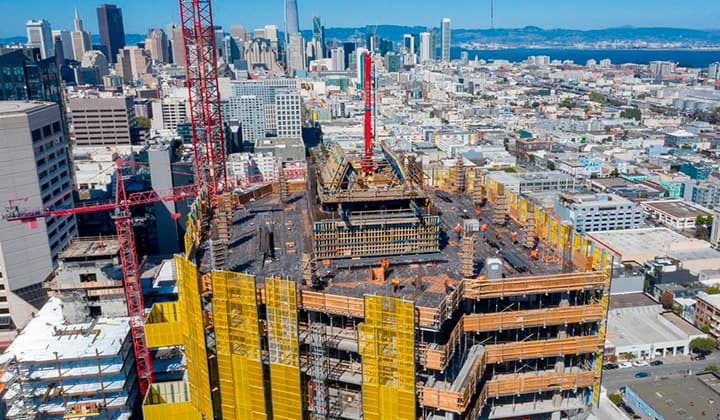
Formwork design automation
Our client from
California, USA
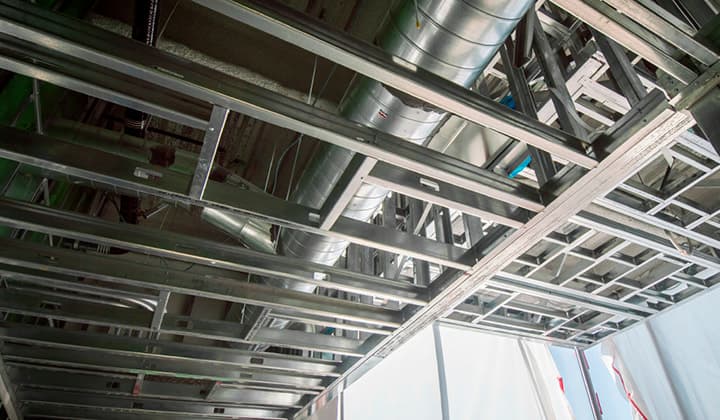
Suspended ceiling design automation
Our client from
New York, USA
Wall framing design automation
Our client from
California, USA