Have any questions? Contact us!
Join our team!
Request a free quote or consultation

So, you’ve heard about BIM – Building Information Modeling – and how it’s like a digital superhero for managing buildings. It helps keep everything from hospitals to office towers running smoothly, slashing energy bills and preventing costly breakdowns. But let’s get real: how much does it actually cost to use BIM for facility management? If you’re picturing a scary price tag, don’t worry. We’re breaking it down in plain English, so you can see what you’re paying for and why it might just be one of the smartest investments for your building. Think of it like buying a good pair of shoes – spend a bit upfront, and they’ll carry you for miles.
What Goes Into the Cost?
BIM facility management isn’t a one-size-fits-all deal. The price depends on things like the size of your building, whether it’s a brand-new project or an older one, and how detailed you want your digital model to be. Costs generally fall into two big buckets: software and setup. Let’s unpack each one, so you know what to expect.
Software: Your Digital Toolkit
To use BIM, you need software to create and manage those detailed digital models. Here’s the rundown:
- Modeling Tools: These are the programs that build your 3D building model, packed with info about every pipe and light fixture. Expect to pay $1,000 to $6,000 per year for a license, depending on how detailed you go (more detail, like super-precise equipment data, bumps up the cost).
- Facility Management Software: This is what you use to track maintenance, energy use, and more. Basic plans might run $100 a month, while fancier ones with all the bells and whistles can hit $1,000 or more monthly.
- Upgrades and Maintenance: Most software comes with a yearly fee that covers updates and support, so your tools stay current. This is usually baked into the license cost, so you don’t get hit with surprise bills.
Think of software like your phone plan – you pay regularly to keep the service running, and the price depends on how many features you need.
Setup and Integration: Getting Started Right
Getting BIM up and running takes some work, like setting up a new computer. This is where you build the model, train your team, and connect everything to your existing systems. Here’s what you might spend:
- Consultants: Experts who help create your BIM model or guide the process typically charge $5,000 to $50,000, depending on the project’s size. A small office might be on the lower end, while a massive hospital could push the higher end.
- Planning the Process: Creating a BIM Execution Plan (basically a roadmap for how you’ll use BIM) costs about $3,000 to $15,000. It’s like hiring a wedding planner to make sure everything goes off without a hitch.
- Hooking It Up: Linking your BIM model to other systems – like your maintenance software or energy trackers – can range from $5,000 to $100,000. The pricier end is for complex buildings with lots of tech to connect.
- Training: Teaching your team to use BIM is key. Budget $1,000 to $10,000 for training sessions, depending on how many people you’re training and how in-depth you go.
Setup costs are like renovating your kitchen – you spend more upfront for a new build than for tweaking an existing one, but it’s a one-time hit that sets you up for success.
Powerkh: Streamlining BIM Facility Management Costs

Powerkh is a UK-based company providing comprehensive Building Information Modeling (BIM) services, focused on enhancing the design, planning, and construction phases of building and infrastructure projects. With offices in the UK, Ukraine, and the USA, we leverage our global presence to offer tailored BIM solutions that foster seamless collaboration across international teams. Our services include 3D modeling, clash detection, and data integration, all aimed at ensuring projects are completed with precision, efficiency, and minimal risk.
At Powerkh, we are committed to driving digital transformation within the construction industry. Our BIM solutions help clients streamline workflows, improve project outcomes, and enhance decision-making. By ensuring that all project data is up-to-date and easily accessible, we enable project teams to work more collaboratively and avoid costly errors throughout the project lifecycle.
With a focus on meeting diverse client needs across different regions, we are equipped to reduce delays, manage costs, and ensure successful project completion, no matter the scale or location.
Key Highlights:
- UK-based company with offices in Ukraine and the USA
- Specializes in Building Information Modeling (BIM) services
- Expertise in 3D modeling, clash detection, and data integration
- Supports digital transformation in the construction industry
- Focus on improving project accuracy, efficiency, and collaboration
- Tailored solutions for both small-scale and large, complex projects
- Dedicated to reducing costs, delays, and risks throughout the project lifecycle
Services:
- BIM Services
- 3D Modeling
- Clash Detection
- Data Integration
- BIM Management
- Virtual Design and Construction (VDC)
- BIM Consulting
Why It’s Worth the Investment

Okay, so the costs can add up – anywhere from a few thousand bucks for a small project to over $100,000 for a big, complex building. But here’s the thing: BIM isn’t just an expense; it’s a money-saver in disguise. Let’s talk about how it pays off.
Saving Big on Operations
Running a building is expensive – think utilities, repairs, and keeping tenants happy. Studies show that up to 80% of a building’s lifetime costs come from operations and maintenance. BIM helps you cut those costs in a big way. For example, a 4,000-square-meter office building might have monthly operating costs around $19,500 (based on industry benchmarks). By improving how information flows – like knowing exactly when to service equipment – BIM can potentially save up to two-thirds of that, or about $13,000 a month. That’s $156,000 a year! Even if you don’t hit those max savings, avoiding just one major equipment failure (like a busted HVAC system) can save tens of thousands.
Boosting Efficiency
BIM makes your team’s life easier. Instead of hunting for info in old files, you’ve got a digital model that shows everything – where the pipes are, when the elevator was last checked, even how much electricity the lights are using. This cuts down on wasted time and mistakes, so your team can focus on keeping the building in top shape. Plus, BIM’s data helps you make smarter decisions, like choosing energy-efficient upgrades that lower bills.
Future-Proofing Your Building
Renovations and replacements are part of owning a building, and BIM helps you plan them without breaking the bank. By knowing exactly what’s in your walls or how long your roof will last, you can budget better and avoid surprises. It’s like having a financial planner for your building, helping you save for the long haul.
What Affects the Price?
Not every BIM project costs the same. Here are the big factors that can nudge the price up or down:
- New vs. Old Buildings: New construction often needs a full BIM model from scratch, which is pricier. Older buildings might use laser scans to create a model, which can be cheaper but still requires setup.
- Level of Detail: More detailed models (with every nut and bolt mapped out) cost more to create but give you richer data for managing the building. Simpler models are cheaper but less comprehensive.
- Building Size and Complexity: A small retail shop will cost less to set up than a sprawling hospital with tons of equipment and systems.
- Existing Tech: If your building already has management software, integrating BIM might be a breeze – or a headache, depending on how compatible the systems are.
So, Is It Worth It?

Let’s be honest: dropping thousands on BIM can feel like a leap. But think about it this way – spending $20,000 to $50,000 upfront could save you hundreds of thousands over the years by cutting energy waste, preventing breakdowns, and making renovations smoother. For a typical office building, the investment can pay for itself in 1-2 years, and that’s before you factor in happier tenants and a more sustainable operation. It’s like buying a good car: you pay more upfront, but it runs better and costs less to maintain.
If you’re managing a building, BIM facility management is like getting a superpower that saves time, money, and stress. The costs depend on your project, but with the right plan, it’s an investment that can make your building smarter and your job easier. Ready to crunch the numbers for your facility? You might be surprised at how quickly the savings add up.
Conclusion
BIM facility management might come with a price tag that makes you pause – anywhere from a few thousand dollars for a small setup to over $100,000 for a big, complex project. But when you zoom out, it’s clear this isn’t just a cost; it’s an investment that can save you serious cash over time. By cutting energy bills, preventing expensive breakdowns, and making renovations a breeze, BIM can pay for itself in just 1-2 years while making your building easier to manage. Whether you’re running a cozy retail shop or a massive hospital, BIM gives you the tools to stay on top of operations, keep tenants happy, and boost sustainability. So, if you’re ready to trade short-term spending for long-term savings and a smoother workday, BIM is worth every penny. It’s not just about managing a building – it’s about doing it smarter.
FAQs
How much does BIM facility management cost for a small building?
For a smaller building, like a retail shop or small office, you might spend $5,000 to $20,000 upfront. This covers basic software licenses ($1,000-$3,000/year), a simple BIM model, and some training. Monthly software fees could be $100-$500. The price stays low because smaller buildings need less detailed models and simpler setups.
Why do some BIM projects cost over $100,000?
Big, complex buildings – like hospitals or skyscrapers – require detailed models with tons of data, plus integration with multiple systems. Setup costs, including consultants ($20,000-$50,000), integration ($50,000+), and extensive training, add up. The good news? These projects often see the biggest savings from BIM’s efficiency boosts.
Can BIM really save me money in the long run?
Absolutely. BIM cuts operating costs by optimizing energy use, preventing costly repairs, and streamlining renovations. For example, a mid-sized office could save $100,000+ annually by avoiding breakdowns and wasting less energy. Most projects see the investment pay off in 1-2 years, with savings piling up over the building’s life.
Do I need to keep paying for BIM after the setup?
Yes, but it’s manageable. You’ll pay ongoing software fees ($100-$1,000/month for facility management tools, $1,000-$6,000/year for modeling software) to keep the system updated. These costs are like a subscription to a streaming service – regular but worth it for the benefits you get, like lower operating costs and smoother management.
Our Case Studies
We have handled 200+ BIM & VDC projects for commercial, industrial, and residential sectors.
Our work includes:
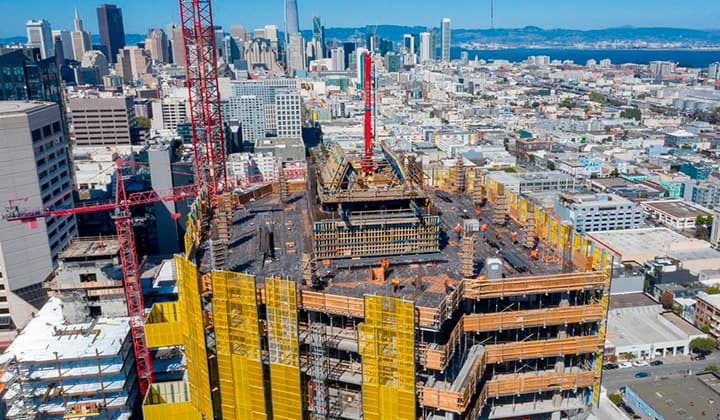
Formwork design automation
Our client from
California, USA
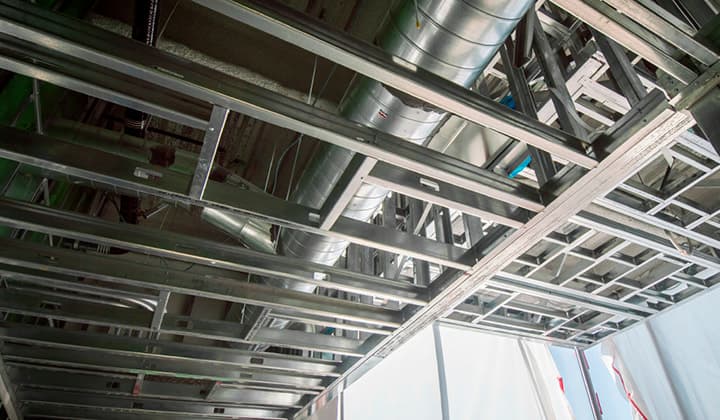
Suspended ceiling design automation
Our client from
New York, USA
Wall framing design automation
Our client from
California, USA