Have any questions? Contact us!
Join our team!
Request a free quote or consultation

If you’re planning a construction project, you’ve probably heard about MEP BIM – Building Information Modeling for mechanical, electrical, and plumbing systems. It’s a game-changer for streamlining design and construction, but the big question is: how much does it cost? Whether you’re building a cozy home or a sprawling commercial complex, MEP BIM costs can vary widely. Let’s break it down in a way that’s easy to grasp, so you can budget smarter and avoid surprises.
What Is MEP BIM, and Why Does It Matter?
MEP BIM creates detailed digital models of a building’s mechanical (like HVAC), electrical (wiring and lighting), and plumbing (pipes and fixtures) systems. These models help architects, engineers, and contractors spot issues early, avoid costly mistakes, and keep projects on track. Think of it like a 3D blueprint that catches problems before they become expensive headaches. But the price tag depends on a few key factors, which we’ll dive into next.
MEP BIM Services at Powerkh

At Powerkh, we’re passionate about transforming construction projects with our expert BIM and VDC services. As a trusted team of seasoned professionals, we specialize in delivering MEP BIM solutions that make mechanical, electrical, and plumbing designs seamless and efficient. Serving clients across the US, UK, and Europe, we’ve built a reputation for turning complex challenges into streamlined successes for architects, engineers, and contractors.
We provide comprehensive MEP BIM modeling, crafting precise 3D models for HVAC, electrical, and plumbing systems, from early conceptual designs to detailed as-built documentation. Whether you’re working on a cozy residential home or a sprawling industrial complex, we customize our approach to fit your project’s unique needs. Our clash detection and coordination services ensure MEP systems integrate flawlessly with structural elements, catching potential issues before they become costly setbacks.
For projects involving existing buildings, our scan-to-BIM services convert point cloud data into accurate models, perfect for renovations or retrofits. We also leverage automation and scripting to speed up workflows, making routine tasks faster and more efficient. From small apartments to medical facilities, we stay in constant communication, adapting to your timeline and requirements with a proven workflow that keeps everything on track. Our clients rave about our commitment, professionalism, and ability to manage changes smoothly.
Ready to elevate your MEP design with Powerkh? Contact us for a free quote, and let’s bring your project to life with precision and ease.
Factors That Drive MEP BIM Costs

The cost of MEP BIM services hinges on several key variables that reflect the scope and demands of your project. Understanding these factors helps you anticipate expenses and plan your budget effectively. Here’s a detailed look at what influences pricing, based on industry-standard averages.
Project Size and Complexity
The scale and intricacy of your project play a major role in determining MEP BIM costs. Smaller projects, such as a single-family home, typically require simpler models, with costs ranging from $2,500 to $5,000 for basic MEP systems like plumbing or standard HVAC. In contrast, larger or more complex projects – like hospitals, manufacturing plants, or historic renovations – demand extensive modeling to account for intricate systems and regulatory requirements. These can easily push costs to $50,000 or higher, as they involve detailed coordination of multiple MEP components across vast square footage.
Level of Detail (LOD)
The Level of Detail (LOD) defines how precise and comprehensive the BIM model needs to be, directly impacting costs. LOD ranges from 100 (basic conceptual designs with rough parameters like area and height) to 500 (as-built models verified on-site for accuracy). Lower LODs, such as LOD 100 or 200, are less resource-intensive, costing around $0.30 per square foot for a basic white model. Higher LODs, like LOD 400 (for fabrication) or LOD 500 (for final documentation), require significant time and expertise, increasing prices to $0.90 per square foot or more for a fully detailed BIM model. The more granular the model, the pricier it gets.
Type of MEP Systems
Not all MEP systems are created equal when it comes to modeling costs. Mechanical systems, such as complex HVAC setups with extensive ductwork in a commercial building, are often more expensive to model due to their intricate layouts and performance requirements. Electrical systems, including wiring and lighting, may involve moderate complexity, while plumbing systems in residential projects tend to be simpler and less costly. For instance, modeling a hospital’s HVAC could significantly outpace the cost of a home’s plumbing, as each system’s design demands vary in scope and technical detail.
Scanning Requirements
Projects that rely on scan-to-BIM processes – using 3D laser scanning to create models from existing structures – incur additional expenses. Scanning captures detailed point cloud data, which must be processed and converted into a BIM model. This step adds costs, with scanning services typically priced at $200 to $500 per hour, depending on the equipment and expertise required. Older or renovated buildings often need this approach, making it a notable factor for projects involving retrofits or as-built documentation.
Geographic Location and Labor Rates
Where your project is located affects labor costs for BIM specialists. In urban areas or regions with higher wages, you’ll likely pay more for skilled professionals, who charge between $33 and $43 per hour, with an average of $39 per hour. Rural or less expensive markets may offer lower rates, but availability of experienced BIM modelers could be limited. These regional differences can add up, especially for long-term projects requiring extensive modeling hours.
Software and Tools
Creating MEP BIM models requires specialized software, which comes with hefty price tags – often $2,500 or more for licenses – along with costs for high-performance hardware and ongoing training. While clients don’t directly pay for these tools, providers factor them into their pricing. The need for advanced platforms to handle complex 3D models, clash detection, and data integration means these indirect costs subtly influence the overall budget for MEP BIM services.
How Are MEP BIM Costs Calculated?
MEP BIM services are priced in a few ways, depending on the project. Here’s the rundown:
- Per Square Foot: Common for larger projects, costs range from $0.50–$3.00 per square foot for basic residential modeling. Complex projects, like medical or industrial facilities, can hit $3.00–$15.00 per square foot.
- Percentage of Construction Cost: MEP BIM fees are often 1–8% of the total construction budget. For a $1,000,000 project, that’s $10,000–$80,000. MEP itself can take up to 25% of the budget ($250,000 in this case), with design fees around 4% of that ($10,000).
- Hourly Rates: For smaller or less defined projects, BIM specialists charge $50–$150/hour for modeling, with scanning at $200–$500/hour.
- Fixed Fee: Simple projects, like a single-family home, might have a flat rate of $2,500–$5,000.
- Turnaround Time: Need it fast? Expedited services cost more. Converting a 2D sketch to a BIM model might cost $350 per document for a 3-day turnaround, versus $140 for 4–6 weeks.
Breaking Down Costs by Project Type

To help you budget effectively, let’s explore the typical cost ranges for MEP BIM services across different project types. These averages reflect the scope, complexity, and level of detail required, providing a clearer sense of what to expect. Below, we dive into three common project categories, with details on what drives their pricing.
Small Residential Home
For a single-family home or small residential project, MEP BIM costs typically range from $2,500 to $5,000. These projects often involve straightforward systems and lower levels of detail, making them the most affordable option.
- System Simplicity: Homes usually require basic MEP components, such as standard plumbing for bathrooms and kitchens, simple HVAC for heating and cooling, and minimal electrical wiring for lighting and outlets.
- Level of Detail (LOD): Most residential projects use LOD 100 or 200, focusing on conceptual or schematic designs with approximate shapes and sizes, costing around $0.50 per square foot.
- Project Size: A typical home (1,500–3,000 square feet) needs less modeling time, keeping costs low compared to larger structures.
- Minimal Scanning: New constructions rarely need scan-to-BIM, avoiding the $200–$500 hourly scanning fees.
These factors make small residential projects ideal for fixed-fee pricing, offering predictability for homeowners or small developers.
Mid-Sized Office Building
Mid-sized commercial projects, like office buildings, see MEP BIM costs ranging from $10,000 to $25,000. These projects demand more complex systems and moderate detail, reflecting their larger scale and functional requirements.
- Increased System Complexity: Office buildings require advanced HVAC for multiple zones, extensive electrical systems for workstations and lighting, and plumbing for restrooms and break areas.
- Moderate LOD: LOD 300 or 350 is common, providing detailed designs or construction documentation with precise measurements and connections, costing $0.60–$0.90 per square foot.
- Project Size: A mid-sized office (10,000–50,000 square feet) involves more coordination across floors or tenants, increasing modeling hours.
- Occasional Scanning: Renovations or retrofits may require scan-to-BIM for accurate as-built models, adding $200–$500 per hour for scanning tasks.
These projects often use a mix of per-square-foot and hourly pricing ($50–$150/hour for modeling), depending on the scope and timeline.
Large Industrial or Medical Facility
For large-scale projects like industrial plants or medical facilities, MEP BIM costs can exceed $50,000, driven by their complexity, high detail, and specialized requirements.
- Highly Complex Systems: These facilities need intricate MEP setups, such as advanced HVAC with extensive ductwork for cleanrooms, robust electrical systems for heavy equipment, and specialized plumbing for medical gas lines.
- High LOD: LOD 400 or 500 is often required for fabrication, assembly, or as-built models, costing $3.00–$15.00 per square foot due to the precision and coordination involved.
- Large Scale: Facilities spanning 100,000+ square feet demand extensive modeling, significantly increasing labor hours at $33–$43/hour (average $39/hour).
- Frequent Scanning Needs: Scan-to-BIM is common for renovations or compliance checks, with scanning costs of $200–$500/hour adding to the budget.
- Regulatory Demands: Compliance with strict building codes (e.g., for ventilation or safety) requires detailed modeling, further elevating costs.
Pricing for these projects often combines per-square-foot rates with percentage-based fees (1–8% of construction costs), reflecting their scope and potential for change orders ($1,500–$2,000 per revision).
These cost ranges highlight how MEP BIM expenses scale with project size, system intricacy, and detail requirements, helping you plan for your specific needs.
How to Keep MEP BIM Costs in Check
Want to save money without cutting corners? Try these tips:
- Use 3D BIM and VDC Early: Virtual Design and Construction (VDC) helps spot clashes between MEP and structural elements before construction starts, reducing costly change orders (which can add $1,500–$2,000 per revision).
- Optimize System Layouts: Shorter pipe, duct, and wiring runs save on materials and energy. For example, placing HVAC equipment strategically cuts piping costs.
- Hire Experienced Specialists: Paying $43/hour for a seasoned pro might seem steep, but their expertise minimizes errors that could cost thousands in rework.
- Get Multiple Quotes: Costs vary, so shop around. Discuss your project’s scope, timeline, and LOD needs upfront to get accurate estimates.
- Consider Outsourcing: Instead of investing in software and training, hire freelancers for specific projects to avoid overhead costs.
Is MEP BIM Worth the Cost?
Absolutely. MEP BIM reduces rework (which can add 30% to construction costs), saves time (some projects finish months early), and ensures compliance with building codes. For a $1,000,000 project, spending $10,000–$80,000 on BIM could save you from $20,000+ in change orders or legal issues. Plus, detailed models improve efficiency, like optimizing HVAC to lower energy bills.
Conclusion
MEP BIM costs depend on your project’s size, complexity, and detail level, ranging from $0.50–$15.00 per square foot or 1–8% of construction costs. By understanding these factors and using tools like BIM and VDC, you can keep expenses under control while ensuring a smoother build. Always get quotes from multiple pros to find the best fit for your budget and timeline.
Ready to dive into your project? Start by mapping out your needs – size, systems, and deadline – and reach out to BIM specialists for tailored estimates. It’s the first step to a cost-effective, headache-free construction journey.
Frequently Asked Questions
1. What’s the average cost of MEP BIM for a typical home?
For a small residential home (around 1,500–3,000 square feet), MEP BIM costs typically range from $2,500 to $5,000. This covers basic modeling of simple systems like plumbing, HVAC, and electrical wiring at a lower Level of Detail (LOD 100 or 200), usually priced at about $0.50 per square foot. Costs stay low because homes don’t often need complex systems or 3D scanning.
2. How does project complexity affect MEP BIM pricing?
More complex projects, like hospitals or industrial facilities, cost significantly more – $50,000 or higher – due to intricate MEP systems (e.g., advanced HVAC or medical gas lines) and higher LODs (400 or 500) for fabrication or as-built models. These can run $3.00–$15.00 per square foot, compared to $0.50–$3.00 for simpler residential or office projects. Larger square footage and scanning needs ($200–$500/hour) also drive up costs.
3. Can I save money on MEP BIM services without sacrificing quality?
Yes! Using 3D BIM and Virtual Design and Construction (VDC) early helps catch issues before construction, avoiding change orders that cost $1,500–$2,000 each. Optimizing layouts – like shorter pipes, ducts, or wiring – cuts material and energy costs. Hiring experienced specialists (averaging $39/hour) reduces errors, and getting multiple quotes ensures you find a fair price for your project’s scope.
4. How are MEP BIM costs typically calculated?
MEP BIM costs are calculated in several ways: per square foot ($0.50–$15.00, depending on complexity), as a percentage of construction cost (1–8%, or $10,000–$80,000 for a $1,000,000 project), hourly rates ($50–$150 for modeling, $200–$500 for scanning), or fixed fees ($2,500–$5,000 for small homes). Expedited work, like a 3-day 2D-to-BIM conversion, costs more ($350 per document) than a 4–6 week turnaround ($140).
Our Case Studies
We have handled 200+ BIM & VDC projects for commercial, industrial, and residential sectors.
Our work includes:
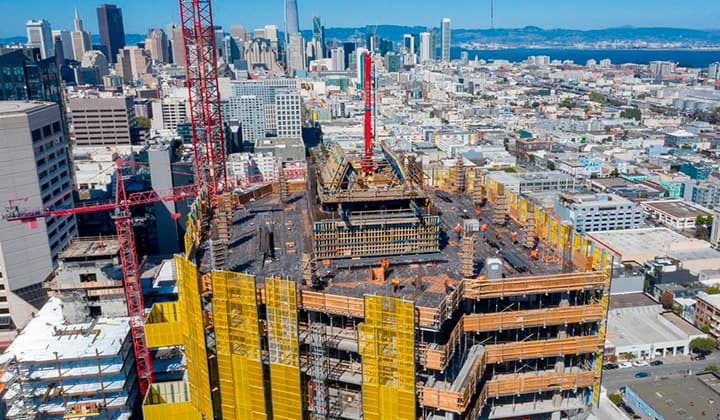
Formwork design automation
Our client from
California, USA
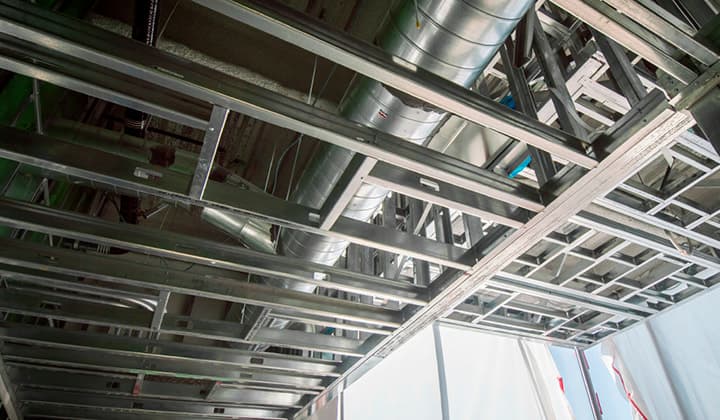
Suspended ceiling design automation
Our client from
New York, USA
Wall framing design automation
Our client from
California, USA