Have any questions? Contact us!
Join our team!
Request a free quote or consultation

Residential design is the process of planning and creating homes that are both functional and comfortable. It involves more than just choosing furniture or colors; it’s about shaping the space to fit how people live, move, and interact. Whether it’s a single-family house, apartment, or vacation home, residential design helps turn empty rooms into livable spaces that reflect the needs and lifestyle of the people who use them.
What Is Residential Design?
Residential design involves planning and creating living spaces for individuals or families, ensuring the layout and interior elements are functional, safe, and comfortable. Unlike commercial design, which focuses on public or business environments, residential design is centered on private homes such as apartments, houses, or condominiums.
At its core, residential design combines practical needs (like room size, lighting, and storage) with aesthetic choices (such as color schemes, materials, and furniture placement). It also takes into account how people live day to day, aiming to create spaces that support routines, relaxation, and personal expression.
Why Residential Design Matters
Residential design plays a central role in shaping how people experience their homes on a daily basis. It’s not just about making a space look good, it’s about making sure it works well for the people who live in it. A well-designed home takes into account how rooms connect, how natural light enters, how furniture fits, and how people move through each area. When done right, residential design helps create spaces that feel intuitive, calm, and comfortable.
The practical benefits go beyond aesthetics. Good residential design can improve safety, support efficient energy use, and make small spaces feel more open and functional. It also supports the long-term value of a home, making it more adaptable to changing needs or future renovations. Whether it’s a compact apartment or a large family house, thoughtful design improves how people live and that can have a meaningful impact on their routines, mood, and well-being.
Powerkh in Residential Design: From Modeling to Prefabrication

Powerkh is a UK-based company with offices in the USA and Ukraine, specializing in Building Information Modeling (BIM) and Virtual Design & Construction (VDC) services. We focus on delivering solutions for residential design projects, using 3D modeling to improve coordination among architects, designers, and contractors.
In our company, services are tailored to meet residential design requirements, including BIM modeling for visualizations, structural detailing for materials like steel and concrete, and prefabrication workflows to optimize efficiency. Our team also provides Scan to BIM services to convert point cloud data for use in renovation or redevelopment projects. By implementing automation tools and scripting solutions, we aim to streamline repetitive tasks and improve project timelines.
With offices in multiple locations, we can support residential construction projects across various regions. Our focus is on integrating architectural, structural, and MEP systems to deliver practical and precise solutions for residential spaces such as houses, apartments, and multi-family developments. Through our BIM and VDC services, we work to improve accuracy, efficiency, and overall project outcomes.
What Does Residential Design Include?

Residential design covers a wide range of elements that shape how a home looks, feels, and functions. It brings together structural planning, interior layout, and visual details to create a living environment that supports everyday life. The process typically includes:
- Space planning: Organizing the layout of rooms, hallways, and shared areas to ensure a logical and efficient flow.
- Floor plan development: Designing the overall structure, including room sizes, wall placements, and access points.
- Interior layout: Deciding where to place furniture, storage, appliances, and fixtures to support daily activities.
- Lighting and ventilation: Ensuring natural and artificial lighting are well-distributed, and air flows effectively throughout the space.
- Material and finish selection: Choosing flooring, wall colors, surfaces, and textures that match the design goals and practical needs.
- Functionality and comfort: Balancing visual appeal with ease of use, safety, and accessibility.
- Building code compliance: Making sure the design meets local safety, structural, and accessibility standards.
- Integration with outdoor space: When applicable, coordinating patios, balconies, gardens, or yards with the indoor layout.
Together, these components ensure that a home is not just attractive but also suited to the way people live and move within it.
Residential Design vs. Commercial Design
Residential and commercial design serve different purposes, even though they both involve shaping interior and architectural spaces. Below are the key areas where they differ.
1. Purpose and Use
The overall intent of the space influences its design from the start. Residential spaces are for private living, while commercial ones serve public or business functions.
- Residential design supports daily routines, comfort, and personal living.
- Commercial design supports operations, customer interactions, or employee workflows.
- Homes are designed for long-term personal use.
- Businesses focus on productivity, branding, and user capacity.
2. User Experience
The needs of users in each setting guide design decisions. Residential design is tailored to individuals, while commercial design must work for many.
- Residential spaces are personalized to fit the lifestyle of the homeowner.
- Commercial spaces must be accessible and intuitive for a variety of users.
- In homes, privacy and comfort are top priorities.
- In commercial settings, visibility, flow, and usability take priority.
3. Codes and Regulations
Commercial environments are subject to more complex rules due to their public nature.
- Residential projects follow local housing and safety codes.
- Commercial designs must meet additional regulations (e.g., ADA compliance, occupancy limits).
- Permitting is generally faster for residential work.
- Commercial work often involves inspections from multiple regulatory bodies.
4. Scale and Complexity
Residential projects tend to be smaller and more focused on individual needs, while commercial projects often require coordination across larger teams.
- Residential design usually involves a single client or family.
- Commercial design can involve owners, investors, and branding teams.
- Homes require fewer technical systems.
- Offices, restaurants, or stores often require HVAC zoning, tech integration, and signage planning.
5. Aesthetic Focus
While both types of design consider appearance, their goals are different.
- Residential aesthetics express personal taste and lifestyle.
- Commercial aesthetics often support branding and recognition.
- Home design is more flexible in style and detail.
- Commercial design must align with industry standards or customer expectations.
Who Does Residential Design?
Several types of professionals can be involved in residential design, depending on the size and complexity of the project. While their roles may overlap, each has different qualifications, responsibilities, and areas of focus. Below are the most common types of professionals who handle residential design work.
Residential Designers (or Home Designers)
These professionals specialize in designing living spaces such as houses, apartments, and condos.
- Focus primarily on residential projects.
- Often trained in drafting, space planning, and interior layout.
- Work closely with homeowners to align the design with lifestyle needs.
- May or may not hold a license, depending on local regulations.
Building Designers
Building designers can work on a variety of building types, including homes. They often provide full design services from initial concept through documentation.
- Usually trained in architectural design but not licensed as architects.
- Handle both interior and exterior planning.
- Familiar with construction standards, safety codes, and materials.
- May run independent design businesses or small studios.
Architects
Licensed architects are qualified to design all types of structures, including residential buildings.
- Hold formal education, licensure, and accreditation.
- Able to take on complex or large-scale residential projects.
- Offer full design, permitting, and construction oversight services.
- Required by law for certain types of residential work, such as large-scale or structurally complex projects, in some regions.
Interior Designers
While not responsible for structural design, interior designers focus on the aesthetics and functionality of indoor spaces.
- Specialize in color schemes, materials, furniture, and lighting.
- Often collaborate with architects or residential designers.
- Ensure that the space is cohesive, comfortable, and aligned with the homeowner’s preferences.
- May assist with purchasing, styling, and space organization.
When Should You Hire a Residential Designer?
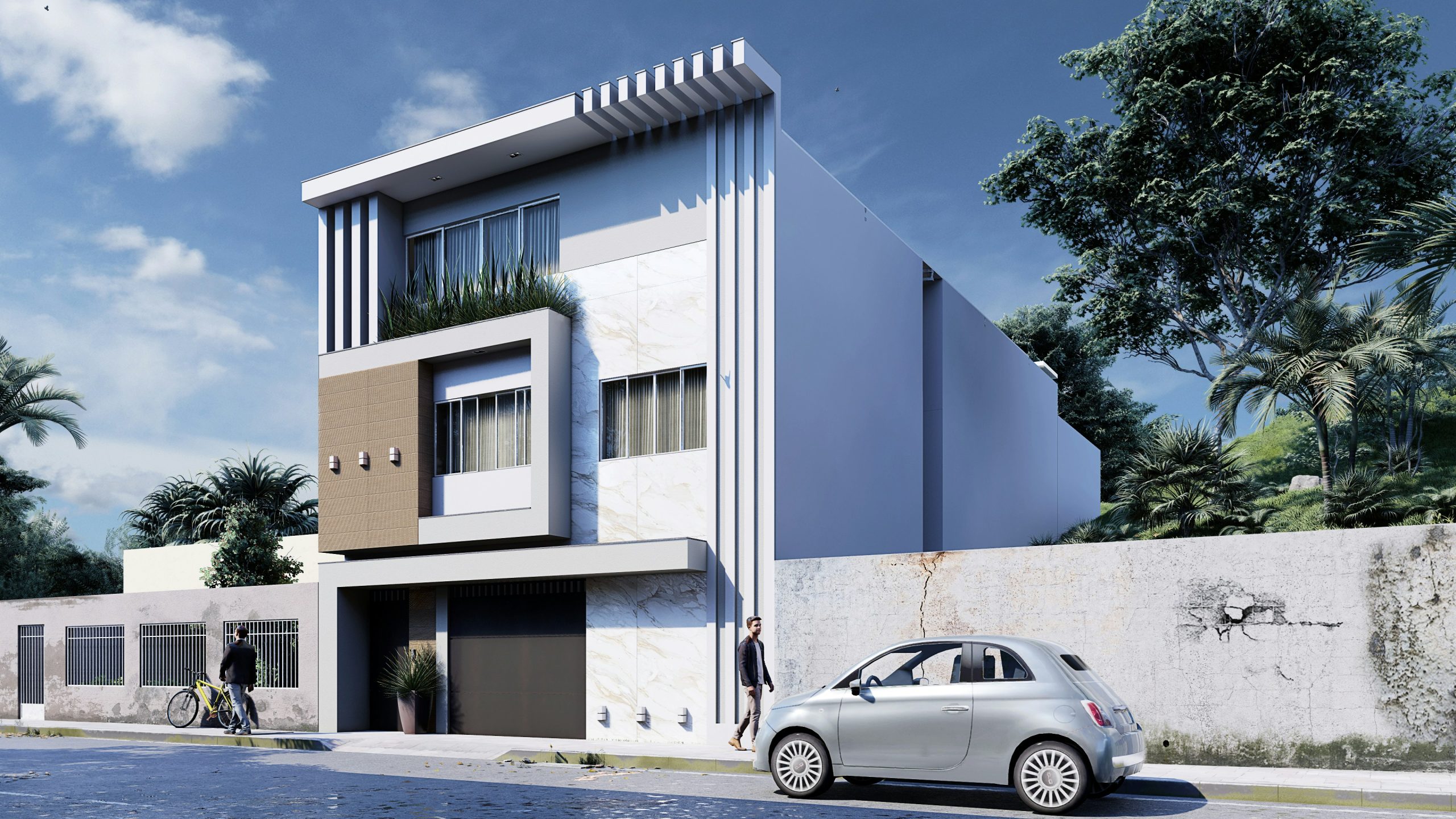
Hiring a residential designer makes sense when you’re planning a new home, a major remodel, or significant changes to your existing layout. These professionals can help you translate your needs and ideas into a practical design that fits your lifestyle and budget. Whether you’re building from scratch or reworking a space to function better, a designer brings structure and clarity to the process.
They’re especially useful when you need help with space planning, making design choices, or coordinating with builders and contractors. If you’re unsure how to maximize limited square footage, want to update an outdated layout, or need guidance on finishes and materials, a residential designer can offer tailored solutions based on experience.
You don’t need to be building a large or expensive home to benefit from design help. Even smaller projects like converting a basement, redoing a kitchen, or planning a home addition can run more smoothly with a designer involved. Their insight can help avoid costly mistakes, ensure the design meets code, and ultimately make your home more functional and comfortable.
Why Good Residential Design Makes a Difference
A well-planned residential design can improve nearly every aspect of how a home feels and functions. It’s not just about appearances, it’s about creating a space that works for the people who live in it, day after day. Below are some of the key benefits that come with thoughtful residential design:
- Better space use: Rooms are arranged to fit how people actually live, helping reduce wasted or awkward areas.
- Improved comfort: Lighting, layout, and material choices contribute to a more pleasant and livable environment.
- Increased functionality: Daily tasks like cooking, relaxing, or working from home become easier with smart design choices.
- Code and safety compliance: Designers help ensure that your home meets local regulations and safety standards.
- Energy efficiency: Good design can improve natural light, insulation, and ventilation, which helps lower utility costs.
- Future flexibility: A well-designed home can adapt more easily to future changes, such as family growth or lifestyle shifts.
- Stronger resale value: Homes that are functional, attractive, and well-organized tend to appeal more to future buyers.
In short, residential design isn’t just about making a home look good, it’s about making sure it supports your life in meaningful and lasting ways.
Conclusion
Residential design is more than decorating or drawing up floor plans; it’s the process of shaping the spaces where people live in ways that are practical, safe, and suited to everyday needs. Whether you’re planning a new home, updating an old one, or simply trying to make better use of your space, residential design helps ensure that each part of your home works well and feels right. It brings together layout, materials, lighting, comfort, and functionality into a thoughtful plan tailored to how you live.
Working with a residential designer or similar professional can save time, reduce stress, and lead to better results especially for larger or more complex projects. With careful planning and the right support, residential design turns a structure into a home.
FAQ
1. What exactly does residential design mean?
It refers to the planning and creation of private living spaces, such as houses, apartments, or condos. The goal is to create functional, comfortable, and visually cohesive environments for individuals or families.
2. How is residential design different from interior design?
Residential design includes layout, structure, and space planning, often from the ground up. Interior design focuses more on aesthetics, furniture, colors, and finishes inside a completed structure.
3. Do I need a residential designer for a small project?
Not always, but it can help. Even smaller projects like a kitchen renovation or room layout change can benefit from professional input to improve function and avoid costly mistakes.
4. Can a residential designer replace an architect?
In some cases, yes, especially for small- to mid-scale home projects. However, for complex builds or where local law requires it, a licensed architect may still be needed.
5. Is residential design only about new construction?
No. It also applies to remodeling, home additions, or reconfiguring existing spaces to better suit changing needs or preferences.
Our Case Studies
We have handled 200+ BIM & VDC projects for commercial, industrial, and residential sectors.
Our work includes:
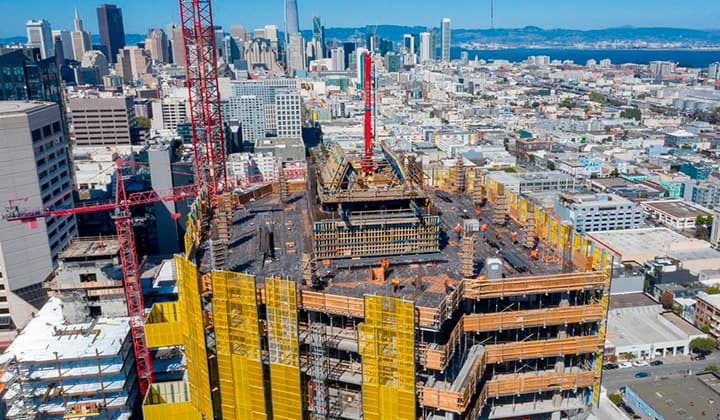
Formwork design automation
Our client from
California, USA
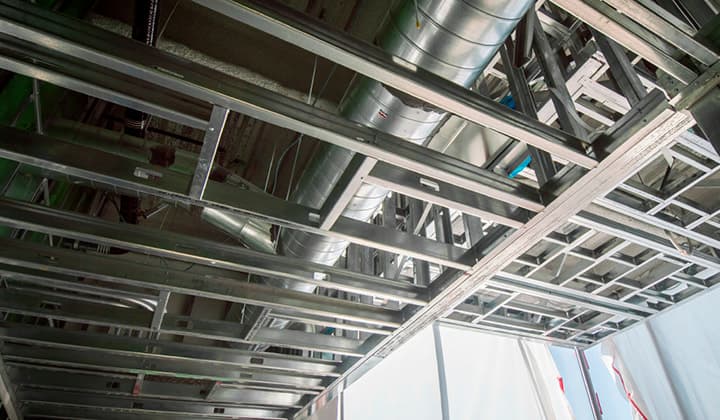
Suspended ceiling design automation
Our client from
New York, USA
Wall framing design automation
Our client from
California, USA