Have any questions? Contact us!
Join our team!
Request a free quote or consultation

Residential structural design is all about making sure a house stands strong and safe. It’s the process engineers use to plan how the frame, walls, foundation, and roof will support the weight of the building, handle wind or snow, and stay stable over time. Whether it’s a small single-family home or a multi-unit apartment building, structural design plays a key role in keeping everything in place and protecting the people who live inside.
What Is Residential Structural Design?
Residential structural design is the process of planning and calculating how a home will support and resist various loads such as its own weight, the people and furniture inside, and external forces like wind or snow. It determines the size, layout, and materials for critical components like foundations, beams, floors, walls, and roofs to ensure the building stays stable, safe, and functional over time.
Unlike architectural design, which focuses on how a house looks and flows, structural design is about how it stands. Engineers use specific calculations, building codes, and design standards to make sure each part of the structure can handle stress without failing. Whether it’s a simple wood-framed house or a more complex multi-level home, structural design is essential to making sure it lasts and performs safely in everyday use and extreme conditions.
The Role of Structural Design in Residential Construction
Structural design plays a foundational role in residential construction. It ensures that a home can support expected loads, resist external forces, and remain stable over time. This process translates architectural plans into a physical framework defining the size, placement, and material of structural components like foundations, beams, columns, and walls.
Effective structural design helps prevent failures, reduces long-term maintenance issues, and ensures compliance with local, national, or international building codes, such as the International Residential Code (IRC) or ASCE 7. It also adapts the home’s structural system to specific site conditions such as soil type, wind exposure, or seismic activity. Without proper structural planning, even the best-designed homes may face durability, safety, or performance issues.
Powerkh: Structural Design and Detailing for Modern Homes

At Powerkh, we are a UK-based company with offices in the USA and Ukraine, specializing in residential structural design and structural detailing. We deliver structural analysis, accurate 3D models, shop drawings, and construction documentation that comply with local building codes. Using advanced BIM technology, we identify and resolve design clashes, ensuring efficient and error-free construction processes.
Our services include steel design, reinforced concrete design, steel and rebar detailing, precast and prefabricated element detailing, and BIM coordination for residential buildings. We also provide concrete outlines, fabrication drawings, and bills of materials. Our work focuses on creating detailed and practical construction documentation to support the seamless execution of residential projects.
With teams operating in the UK, the USA and Ukraine, we collaborate with architects, contractors, and developers to deliver precise and coordinated results. By leveraging BIM tools and established construction practices, we help streamline workflows and meet the specific requirements of residential structural projects.
Core Components That Shape a Home’s Structural Integrity

Residential structural design involves several key systems working together to keep a house stable, safe, and functional. Each component must be planned with attention to materials, loads, and site-specific factors. Below are the major elements that make up the structural backbone of a residential building.
Foundation Systems
The foundation is what transfers the entire load of the house to the ground. Common residential foundation types include:
- Slab-on-grade: A flat concrete slab poured directly at ground level, common in warmer climates and cost-effective for level sites.
- Pier-and-beam: A raised system supported by concrete or masonry piers, used in areas with expansive soils or potential flooding.
- Basement foundations: Less common in some regions but useful for added living space, insulation in colder climates, protection in tornado-prone areas, or managing high groundwater levels.
The choice of foundation depends on factors like soil condition, water table, and regional weather.
Framing Structures
Framing provides the skeleton of the home, supporting walls, floors, and roofs. There are several methods used:
- Wood framing: The most common approach in residential construction due to cost and ease of installation.
- Steel framing: Offers added strength and is preferred in areas with high wind or seismic activity.
- Masonry or concrete block: Often used for load-bearing exterior walls or where increased fire resistance is needed.
Proper framing design ensures the structure distributes loads safely and can withstand environmental stress.
Roof, Wall, and Floor Systems
These systems handle vertical and lateral forces and contribute to energy performance, weather resistance, and overall durability.
- Roof systems: Pitched roofs help shed water and snow, while flat roofs may require more attention to drainage.
- Wall systems: Can be wood-framed or masonry; they support upper floors and resist wind or seismic loads.
- Floor systems: May be concrete slab or wood joist-based, depending on foundation type and design needs.
Each system must be coordinated with the others to avoid weak points or structural imbalances.
Load Types Every Design Must Consider
Every residential structure is exposed to a combination of forces that must be accounted for during the design process. These forces, known as loads, determine how the structure should be built to ensure long-term stability and safety. The main load types include:
- Dead Loads: These are the permanent, unchanging parts of the building, such as the weight of walls, floors, ceilings, roofing materials, and built-in components. Dead loads form the baseline structural weight that the building must always support.
- Live Loads: Live loads include temporary or moveable weights, such as people, furniture, and household appliances. Since they change over time, structural engineers design for the maximum expected live load, including a safety buffer.
- Environmental Loads: These are natural forces that act on the building due to its location and climate. They include wind pressure, snow accumulation, rainfall, and seismic activity. Each of these can apply significant stress to the structure and must be factored into the design based on local conditions and code requirements.
By considering all of these load types from the start, engineers ensure the home remains safe and functional under both everyday use and extreme weather or geological events.
How Structural Engineers Plan and Design Residential Buildings
Designing the structural framework of a home involves a sequence of coordinated steps that balance safety, efficiency, and compliance with building codes. Here’s how structural engineers typically approach the process:
1. Site Evaluation
The process begins with reviewing the specific conditions of the site. This includes analyzing soil type, topography, drainage, and exposure to environmental risks such as wind, floods, or seismic activity. These factors directly influence foundation design and load calculations.
2. Review of Architectural Plans
Engineers study the architect’s layout to understand the spatial design, floor heights, wall placements, and roof form. Their goal is to integrate structural support without compromising the intended function and appearance of the home.
3. Load Analysis
Using the building’s layout and location, the engineer calculates all expected loads dead, live, and environmental. These calculations form the basis for selecting appropriate materials and determining the size and placement of structural elements.
4. Structural Modeling and Design
A structural system is then developed, typically using digital tools like ETABS and SAP2000 for structural analysis and design, and Revit for BIM modeling, coordination, and detailing. This model defines the framework of beams, columns, slabs, and connections, simulating how they’ll behave under load.
5. Component Detailing
The next step is to specify the dimensions, reinforcement, and material types for each structural element. This includes creating detailed drawings and notes used by contractors during construction.
6. Coordination with Other Disciplines
Structural engineers coordinate their design with architectural, MEP (mechanical, electrical, plumbing), construction teams, as well as landscape designers and geotechnical engineers, to avoid conflicts, especially where space, load paths, or site conditions overlap.
7. Construction Support
During building, engineers may conduct site visits, respond to RFIs, review shop drawings, and verify that construction matches the structural intent. This ensures the final build meets safety and design standards.
Structural Challenges in Today’s Residential Architecture
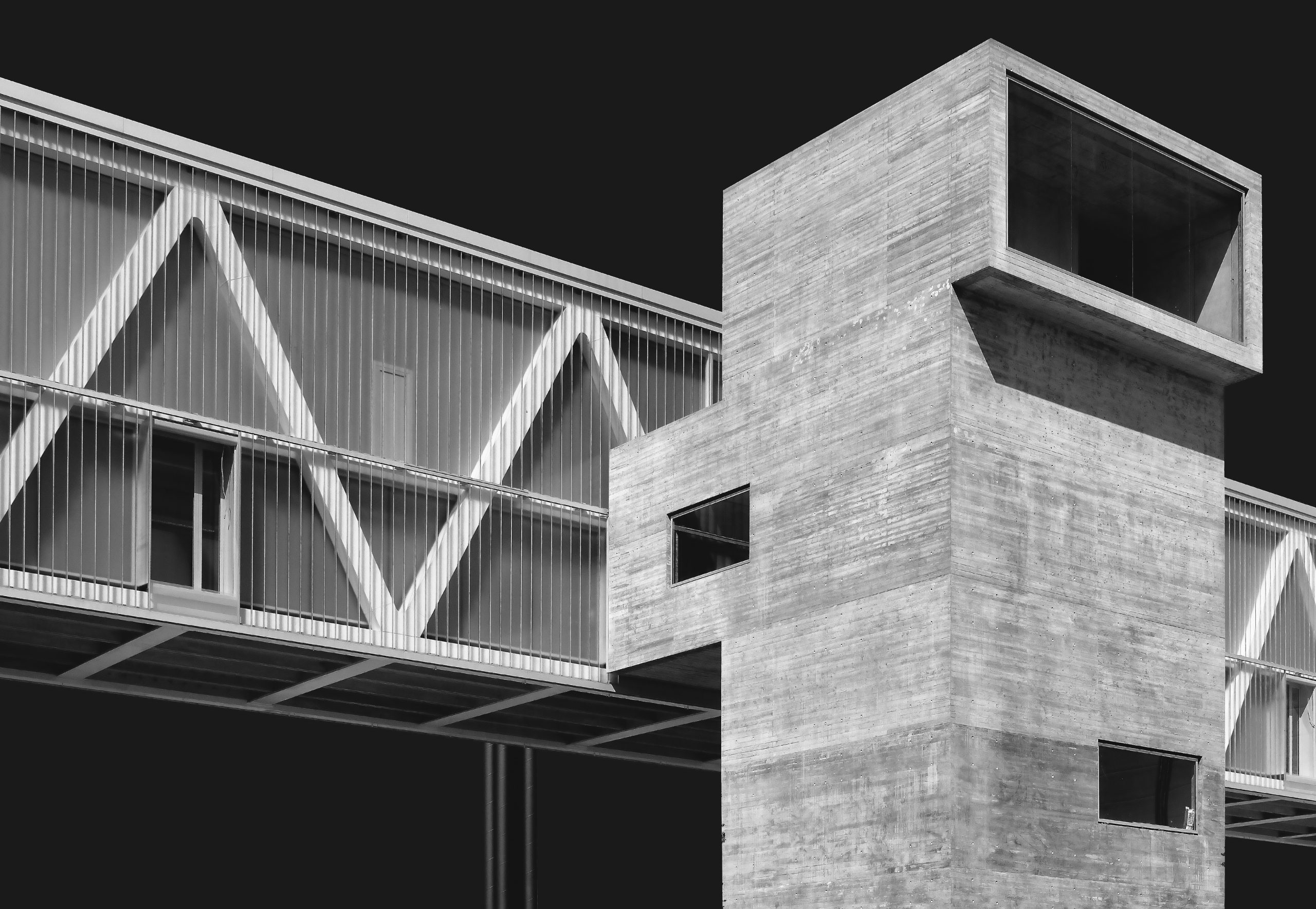
Modern residential design often prioritizes open layouts, large windows, and non-traditional shapes features that can conflict with basic structural principles. While these designs are visually appealing and functionally flexible, they introduce several engineering challenges that must be addressed early in the planning process.
One of the most common issues is the reduction or complete removal of interior load-bearing walls to create open-concept spaces. This requires alternative support systems like steel beams or engineered wood, which must be carefully designed to carry loads without causing sagging or deflection. Another challenge is the widespread use of fully glazed exterior walls or oversized sliding doors, which can limit lateral stability and reduce resistance to wind or seismic forces.
Green roofs, rooftop terraces, and multi-level split floor plans also add complexity, increasing both dead and live loads and often requiring reinforced structural systems. In many cases, standard residential code guidelines no longer apply cleanly, and custom engineering becomes necessary. Balancing architectural freedom with structural safety is one of the key tasks for engineers working on contemporary home designs.
When You Need a Structural Engineer for a House
Not every residential project requires a structural engineer, but there are many situations where their involvement is either necessary by code or simply smart planning. Structural engineers play a critical role when the design goes beyond standard construction methods or when safety and performance need to be guaranteed.
You typically need a structural engineer if:
- You’re building a custom home with open layouts, large spans, or unusual shapes.
- The house includes multiple stories, rooftop decks, or cantilevered sections.
- You’re working on a steep slope, unstable soil, or a flood/seismic zone.
- You plan to remove or alter load-bearing walls during renovation.
- The local building code requires stamped structural drawings for permitting.
- There’s visible structural damage in an existing home (e.g., sagging floors, cracked foundations, or leaning walls).
In all of these cases, a structural engineer ensures that the home is not only buildable but also safe, efficient, and up to code helping prevent costly mistakes during construction or future repairs.
Conclusion
Residential structural design is the foundation of any safe and durable home. It determines how a house carries weight, handles natural forces, and stays standing over time. From foundations and framing to roof support and load distribution, each structural element must be carefully planned and coordinated with the overall design.
Whether you’re building a new home or modifying an existing one, understanding the basics of structural design and knowing when to involve a structural engineer can help you avoid costly issues and ensure long-term safety.
FAQ
1. What does a structural engineer do for a house?
A structural engineer designs the framework that supports the house, including foundations, beams, and load-bearing walls. They ensure the home can safely handle weight and resist forces like wind, snow, and movement.
2. Is structural design the same as architectural design?
No. Architectural design focuses on how a house looks and functions, while structural design ensures the building stands safely and meets engineering standards.
3. Do I need a structural engineer for a home renovation?
Yes, if the renovation affects load-bearing walls, adds new floors, or involves significant structural changes. A structural engineer ensures that any modifications remain safe and compliant with code.
4. What are the main load types in residential design?
The three primary load types are dead loads (permanent parts of the building), live loads (people and furniture), and environmental loads (wind, snow, seismic activity).
5. Can I use structural design rules of thumb instead of hiring an engineer?
Rules of thumb are helpful during early planning, but they can’t replace a detailed structural analysis. For safety and code compliance, an engineer should always review final plans.
Our Case Studies
We have handled 200+ BIM & VDC projects for commercial, industrial, and residential sectors.
Our work includes:
Formwork design automation
Our client from
California, USA
Suspended ceiling design automation
Our client from
New York, USA
Wall framing design automation
Our client from
California, USA