Have any questions? Contact us!
Join our team!
Request a free quote or consultation

Prefabrication & fabrication are two related processes used to create building components, machinery, or structural systems before they’re assembled on site. These methods help speed up construction, improve quality, and reduce on-site work. You’ll see them in everything from steel frames to modular homes to factory equipment anywhere parts are made off-site and then brought together to form the final product.
What Is Prefabrication & Fabrication?
Prefabrication and fabrication are two closely related methods used to produce structural elements, building parts, or custom components before final installation. While often used together, each term refers to a specific stage or type of process within construction and manufacturing.
What Is Fabrication?
Fabrication is the process of transforming raw materials such as metal, plastic, or wood into finished parts or structures. It involves steps like cutting, bending, machining, welding, or assembling components into functional elements. This is usually done in a factory or workshop using specialized tools and machinery.
Fabrication is commonly used to create:
- Steel frames for buildings
- Pipes and mechanical systems
- Custom metal parts and brackets
- Industrial equipment components
It forms the foundation for many manufactured items, often before they are integrated into a larger structure or system.
What Is Prefabrication?
Prefabrication (or “prefab”) refers to the off-site production of structural components or entire modules that are later transported to the construction site and assembled. Unlike fabrication, which focuses on shaping individual parts, prefabrication deals with larger, often pre-assembled sections of a building or system.
Examples of prefabricated elements include:
- Precast concrete panels
- Modular building units (like bathrooms or rooms)
- Timber wall frames
- Mechanical and electrical service racks
The goal of prefabrication is to reduce the amount of work needed on-site, improve construction speed, and ensure consistent quality under controlled factory conditions.
How They Work Together
In most modern construction projects, prefabrication and fabrication are used in combination. Fabrication techniques are often part of the prefabrication process raw materials are first fabricated into parts, which are then assembled into larger prefabricated sections.
Together, these methods support faster project delivery, better quality control, and more efficient use of labor and materials.
Powerkh: Digital Workflows for Fabrication and Prefabrication

Powerkh is a UK-based company that provides BIM (Building Information Modeling) services focused on prefabrication and fabrication in modular construction. Our company also has offices in Ukraine, and the USA, we work with clients across various regions to support architectural, structural, and MEP (Mechanical, Electrical, and Plumbing) aspects of construction. Our goal is to optimize manufacturing processes, improve project timelines, and enhance coordination using advanced digital tools.
At Powerkh, we specialize in creating detailed 3D prototypes and automating repetitive tasks to streamline modular construction. By allowing manufacturing and on-site work to proceed simultaneously, we help reduce project turnaround times. Our approach minimizes waste, ensures material accuracy, and improves safety by enabling off-site assembly in controlled environments. We work with clients in the industrial, commercial, and residential sectors.
Our services include BIM development for CNC manufacturing, design drafting, shop drawings, clash detection, and design-to-fabrication workflows. We use software such as Autodesk Revit, Dynamo, and Tekla to deliver accurate models and support project coordination. By aligning the efforts of engineers, fabricators, and construction teams, we help ensure that projects are completed efficiently and meet all required specifications.
Prefabrication vs Fabrication: Key Differences Explained
Prefabrication and fabrication are often used together but serve distinct roles in construction and manufacturing. Below are the key ways they differ, with short descriptions to help clarify each point.
1. Scope of Work
Fabrication is about making individual components, while prefabrication focuses on assembling them into larger units.
- Fabrication focuses on shaping and assembling raw materials into components or parts.
- Prefabrication involves assembling multiple fabricated components into larger building sections such as wall panels, bathroom pods, or entire modules that are transported to the site ready for installation.
2. Location of Production
Both processes happen off-site, but prefabrication usually takes place in larger, more assembly-focused environments.
- Fabrication is carried out in workshops or manufacturing facilities where materials are cut, welded, or machined.
- Prefabrication takes place in a controlled off-site environment, often resembling a factory floor, where full assemblies are built before delivery.
3. End Use
Fabricated parts are often just one piece of a larger structure, while prefabricated units arrive ready for final placement.
- Fabricated parts are often intermediate elements used in further construction or manufacturing.
- Prefabricated units are closer to finished products that only require installation or connection on-site.
4. Level of Integration
Prefabrication combines multiple systems into one unit, while fabrication usually deals with one material or process at a time.
- Fabrication typically deals with one material or system at a time (e.g. steel, piping, sheet metal).
- Prefabrication can combine structural, mechanical, electrical, and finishing components into a single unit especially in modular construction.
5. Flexibility and Standardization
Fabrication allows for more one-off or complex custom work, whereas prefabrication benefits from repeatable, efficient production.
- Fabrication allows for more customization in creating one-off or highly specific parts.
- Prefabrication often relies on standard dimensions and repeated designs to enable fast assembly and transport.
Where Prefabrication & Fabrication Are Commonly Used
Prefabrication and fabrication are widely used across different industries, helping improve quality, speed, and cost-efficiency in both large and small-scale projects. Here’s how these processes apply in various sectors:
Construction and Infrastructure
In construction, prefabrication is used to produce elements like wall panels, floor slabs, and roof trusses off-site, making it easier to speed up on-site assembly. Fabrication supports this by producing steel beams, structural connectors, and other load-bearing components. Precast concrete is often used for infrastructure projects such as highways, bridges, stadiums, and large public buildings.
Industrial Manufacturing
Fabrication is central to manufacturing, especially in producing machine frames, equipment housings, platforms, and custom metal parts. In many facilities, prefabricated service modules or equipment skids are used to simplify installation and reduce downtime. One-off or short-run components often rely on tailored fabrication work that supports the production of specialized systems.
Energy and Utilities
In the energy sector, prefabricated cable trays, pipe racks, and modular electrical rooms are used to streamline installation and improve safety in plants, substations, and refineries. Fabrication also plays a major role by providing the structural support for solar panels, wind turbines, control cabinets, and other infrastructure-heavy systems.
Events, Retail, and Exhibits
Fabrication and prefabrication are key in creating custom-built trade show booths, pop-up retail stores, branded environments, signage, and props. These builds require a mix of creativity and technical precision, often completed off-site and transported for rapid setup. They are commonly used in marketing campaigns, public events, and interior design installations.
Transportation and Automotive
In this sector, fabrication supports the production of trailers, frames, body components, and shipping containers. Prefabricated systems are used in maintenance workshops, depots, and temporary logistics setups. Modular platforms and units are also installed in airports, rail stations, and highway rest areas to save time and improve functionality.
Key Techniques Used in Fabrication
Fabrication relies on a variety of technical methods to shape, join, and finish materials most often metal into usable components or complete structures. Below are the main techniques commonly used across construction, industrial, and custom manufacturing projects.
- Cutting: The starting point in most fabrication workflows, cutting involves separating raw materials into required shapes or sizes using saws, lasers, waterjets, or plasma cutters.
- Bending and Folding: This technique reshapes materials like sheet metal into specific angles or forms. It’s commonly done with press brakes to create structural bends without damaging the material.
- Machining: Machining includes milling, drilling, and turning to remove material and achieve precise dimensions or finishes. It’s used for parts that require tight tolerances or detailed shapes.
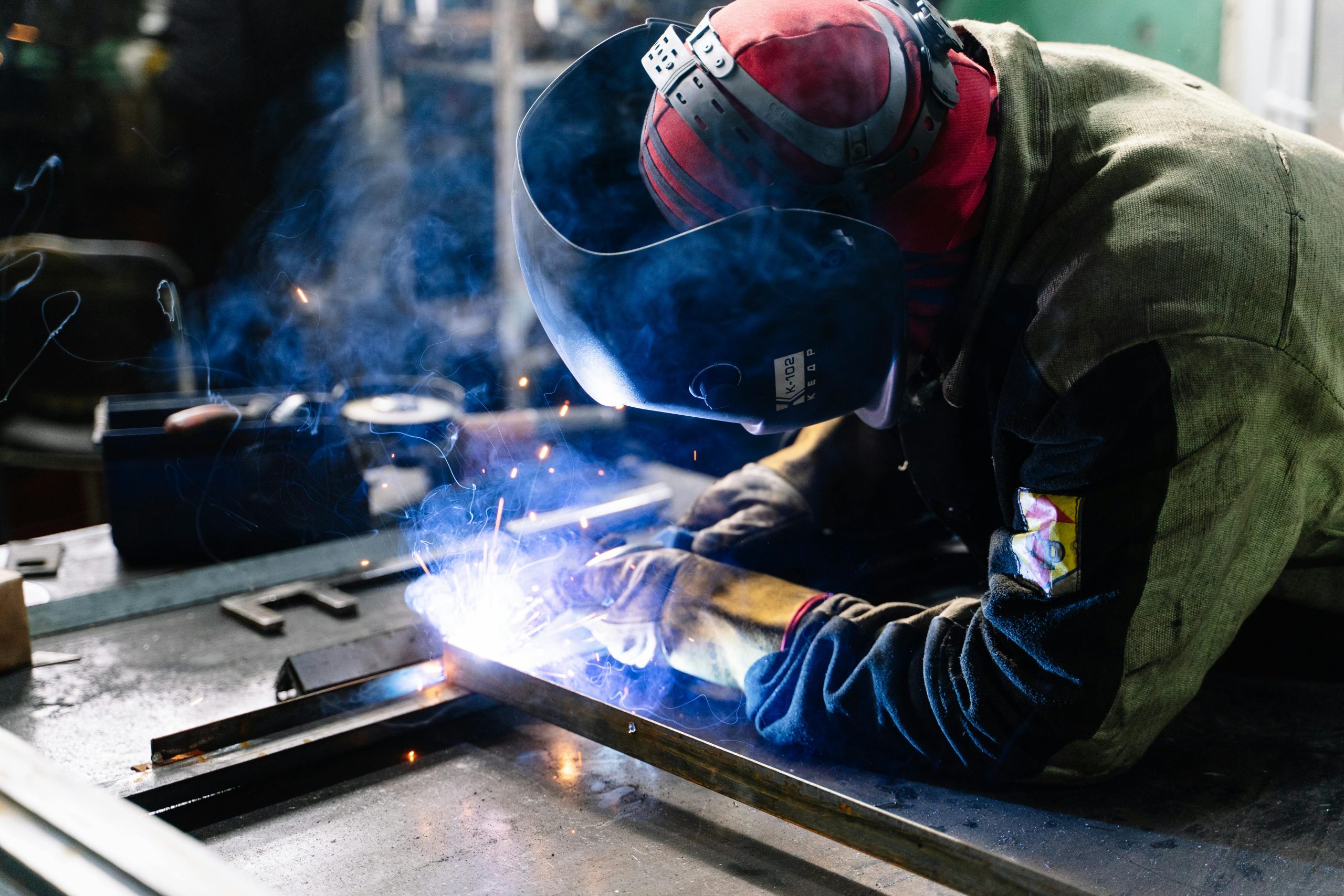
- Welding: Welding joins two or more pieces of metal by melting and fusing them together. It’s widely used in structural and equipment fabrication for durable, load-bearing connections.
- Punching and Stamping: These processes create holes, slots, or surface patterns in sheet metal using high-pressure machines. Punching removes material, while stamping forms it into a shape or texture.
- Casting: In casting, molten material is poured into a mold and allowed to cool into a solid shape. It’s ideal for creating complex or heavy-duty components in bulk.
- Forging: Forging shapes material through compressive force, often by hammering or pressing. It produces strong and durable parts used in demanding mechanical applications.
- Extrusion: This process pushes material through a shaped die to create long items with a consistent cross-section, such as tubes, channels, or frames.
- Assembly: Once parts are fabricated, they are connected using welding, bolts, rivets, or fasteners. Assembly turns individual components into finished structures or systems.
Key Stages in the Prefabrication Process

Prefabrication follows a structured process that begins long before anything is physically built. It starts with detailed design and planning, often using digital tools like BIM to ensure that every component fits precisely into the larger structure. Once the design is finalized, materials such as steel, wood, or concrete are prepared in advance. These materials are then assembled in a factory or controlled environment into components like wall panels, structural frames, service modules, or even entire rooms.
During assembly, many prefabricated units are equipped with plumbing, wiring, insulation, and internal finishes so that they arrive on-site nearly complete. Quality control checks and functional tests are typically performed before shipment to catch any issues early. Once transported to the site, the units are lifted into position and connected, often requiring only minimal finishing work. This method not only shortens construction timelines but also helps ensure better consistency, reduced waste, and improved safety across the project
Why Prefabrication & Fabrication Improve Project Outcomes
Both prefabrication and fabrication offer practical advantages that help improve efficiency, reduce project risks, and deliver better quality across construction and industrial sectors. These methods are often used together to streamline production, minimize delays, and optimize overall project execution.
Faster Project Timelines
Prefabricated sections and fabricated components can be produced while site preparation is still underway. This parallel workflow reduces construction time and speeds up project delivery.
Improved Quality Control
Working in a controlled factory or workshop environment allows for better oversight, more precise tools, and consistent conditions. As a result, the final products often meet higher quality standards than those built entirely on-site.
Lower On-Site Labor Requirements
Because much of the work is done off-site, fewer workers are needed at the construction or assembly site. This reduces labor costs, coordination challenges, and safety risks on active sites.
Reduced Material Waste
Fabrication and prefabrication processes are more efficient in how they handle materials. Accurate cutting, batching, and storage in factory settings lead to less waste compared to on-site methods.
Greater Safety and Fewer Site Disruptions
With less work taking place at the project site, there’s a lower risk of injuries, equipment conflicts, and exposure to environmental hazards. It also reduces noise, dust, and congestion in active areas.
More Predictable Costs
Standardized production and shorter project durations lead to more consistent pricing. Projects that use prefabricated and fabricated elements are less likely to be affected by on-site delays or unexpected labor issues.
Flexibility for Complex or Remote Projects
These methods are particularly useful in areas with limited access, harsh climates, or space constraints. Components can be built elsewhere and transported as needed, avoiding on-site logistical challenges.
Limitations to Consider
While prefabrication and fabrication offer many advantages, they are not always the right fit for every project. Certain conditions, technical requirements, or logistics may introduce challenges that need to be carefully managed. Below are some common limitations to keep in mind:
- Transportation Constraints: Prefabricated components can be large and heavy, making them difficult or expensive to transport especially in urban areas or remote locations with limited access.
- Upfront Planning Requirements: These methods require precise early-stage design and coordination. Changes made later in the process can be costly or difficult to implement once components are already built.
- Limited Design Flexibility: Prefabricated systems often follow standardized dimensions and layouts, which may restrict unique or highly customized designs, especially in modular construction.
- Site Compatibility Issues: If the site has uneven terrain, limited crane access, or unpredictable weather, installing prefabricated units can be more complicated and require additional preparation.
- Dependency on Skilled Off-Site Labor: Successful execution depends on trained fabricators and assembly teams. A shortage of qualified workers in off-site facilities can affect production timelines or quality.
- Coordination with External Suppliers: Prefabrication often involves multiple vendors or subcontractors. Miscommunication or delays in one part of the supply chain can impact the entire project schedule.
Recognizing these challenges early allows project teams to plan accordingly and decide whether prefabrication, fabrication, or a hybrid approach best suits the project goals.
Future of Prefabrication & Fabrication in Construction
Prefabrication and fabrication are becoming more common as construction companies look for ways to save time, reduce on-site work, and manage labor shortages. These methods allow parts of a project to be built off-site in controlled conditions, which can make the overall process more predictable and easier to coordinate.
Tools like BIM, CNC machines, and automated systems are making off-site production more precise and easier to scale. As more projects focus on cutting waste and meeting stricter regulations, prefabrication and fabrication offer practical ways to meet those goals. In the coming years, these approaches are likely to be used more widely, especially in large or repeatable projects where time and standardization matter.
Conclusion
Prefabrication and fabrication are two related but distinct processes that play a major role in construction, manufacturing, and industrial production. Fabrication focuses on shaping and assembling raw materials into components, while prefabrication takes it a step further by building full sections or modules off-site for quick installation.
Used together, they can improve efficiency, reduce on-site labor, and provide better control over quality and timelines. Understanding when and how to use each method helps teams make better decisions during planning and execution.
FAQ
1. What’s the main difference between fabrication and prefabrication?
Fabrication involves creating parts from raw materials, while prefabrication involves assembling those parts into larger building components or modules off-site.
2. Is prefabrication the same as modular construction?
Not exactly. Modular construction is a form of prefabrication that involves producing building modules, which can be standardized or customized, but not all prefabrication is modular.
3. Can prefabrication be used in all types of construction?
It’s most effective in projects that involve repetition or standardization, but it may not be suitable for highly customized or irregular designs without adjustments.
4. What materials are used in fabrication?
Common materials include steel, aluminum, sheet metal, concrete, plastic, and wood, depending on the project type.
5. Does using prefabrication reduce construction time?
Yes. Prefabricated components are built while site work is ongoing, which shortens the overall timeline and limits delays.
Our Case Studies
We have handled 200+ BIM & VDC projects for commercial, industrial, and residential sectors.
Our work includes:
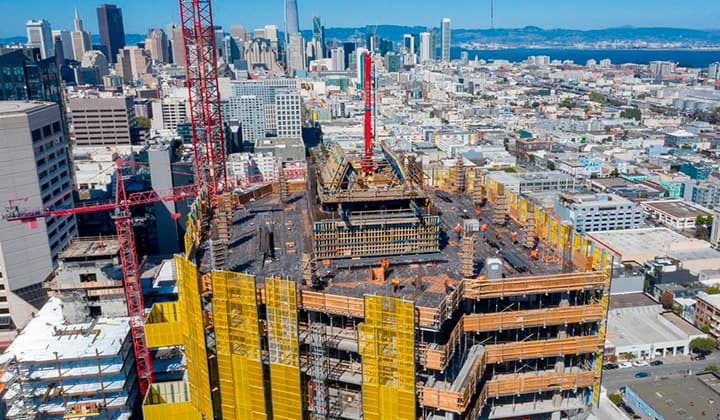
Formwork design automation
Our client from
California, USA
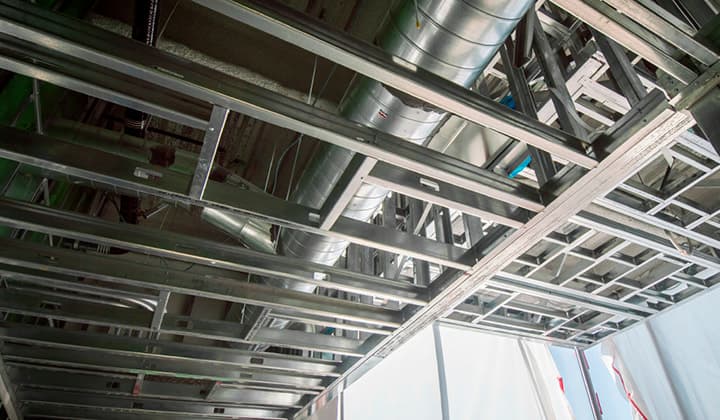
Suspended ceiling design automation
Our client from
New York, USA
Wall framing design automation
Our client from
California, USA