Herhangi bir sorunuz var mı? Bize ulaşın!
Ekibimize katılın!
Ücretsiz fiyat teklifi veya danışmanlık talep edin

Every building, bridge, or tower you see around you is standing tall for a reason. Beneath the surface, literally and figuratively, there’s a whole system of supports doing the heavy lifting – quietly keeping everything in place. That’s what structural engineering support is all about.
It’s not just about beams and columns; it’s about making sure things stay where they should, under pressure, through time, and in all sorts of conditions. In this article, we’ll walk through what that really means, why it matters more than most people realize, and how engineers use different types of supports to make sure structures don’t just look good, but actually hold up.
What Is Structural Engineering Support, Really?
Let’s strip it down to basics. Structural engineering support refers to the elements and methods used to hold a structure in place and keep it stable. It’s one of the key parts of structural engineering – a field focused on making sure structures can handle the loads and forces they face during their lifetime.
These support resist forces like gravity (the obvious one), wind, seismic activity, and even temperature shifts. Think of support systems as the invisible crew working behind the scenes – they don’t always get the spotlight, but without them, the whole show would collapse.
Unlike general construction support, which might refer to temporary scaffolding or bracing, structural engineering support is built into the final design. It’s calculated, tested, and tailored for the specific structure and environment it sits in.
Why Structural Support Matters More Than You Think

When a building collapses or a bridge cracks unexpectedly, the cause is often traced back to a failure in its support system. But when things go right, and they usually do, we don’t even notice those systems are there. That’s the goal.
Structural support matters because:
- It keeps people safe: This is the non-negotiable part. Every support system is designed to prevent collapse, even under extreme conditions.
- It ensures stability under everyday use: Whether it’s an office full of people or a highway full of cars, structures are constantly under load.
- It adapts to environmental forces: Wind loads, ground movement, and thermal expansion all have to be factored in.
- It allows for architectural creativity: Want cantilevered balconies, open floor plans, or curved glass facades? You’ll need smart support to make it happen.
- It extends the life of the structure: A well-supported building can last decades or centuries with minimal structural maintenance.
Bottom line: without the right structural support, nothing built would last very long or be safe while it stands.
How Structural Engineers Use Support in Design
Support isn’t just added at the end of a project like a final coat of paint. It’s baked into the earliest design stages. Structural engineers don’t just ask, “How do we hold this up?” They ask:
- What kind of forces will this structure face?
- How will the foundation interact with the soil?
- Will the materials bend, expand, or twist over time?
- Are there environmental risks (flooding, earthquakes, wind)?
- How can we build this in a way that’s both safe and cost-effective?
Once they’ve worked out these answers, they choose the appropriate support types, run models and simulations, and coordinate with architects, contractors, and builders to make sure everything works together.
Where We Fit In: How Powerkh Supports Structural Continuity
At Powerkh, structural engineering support isn’t just a calculation on paper – it’s something we help carry through from design to construction. We’re a digital construction consultancy with an engineering mindset, and we’ve delivered over 400 BIM and VDC projects across the US, UK, and Europe. What sets us apart is our focus on design continuity. That means making sure what gets built actually reflects the original design intent, even when things get complicated on site.
Our role often starts during the design development phase. We support project teams with BIM modeling, structural detailing, and model coordination across disciplines. But our work doesn’t stop at the handoff. We stay involved through critical zones, constructability reviews, and progress verification, especially where structural support decisions are most likely to be compromised or misunderstood on site.
We use multiple tools to track whether key support elements are in place as planned. Whether it’s verifying load-bearing components or aligning prefabricated assemblies with model coordinates, we help ensure that structural supports aren’t just theoretically sound – they’re also correctly installed and documented in the real world. In our view, that’s the difference between building something that stands and building something that lasts.
The Main Types of Structural Supports
There’s no one-size-fits-all when it comes to support systems. Each type serves a different purpose depending on what the structure needs to resist and how much movement is acceptable. Here’s a breakdown of the most common types of structural supports:
1. Pinned Support
Also called hinged support, this one resists horizontal and vertical forces but allows rotation.
Where it’s used: Trusses, bridge joints, or the end of a simple beam.
Neden önemli: It offers stability while allowing the structure to adjust to movement without cracking.
Quick facts: No resistance to rotational force (moment), common in bridges and standard building frames.
2. Fixed Support
This is the strict parent of supports – no movement allowed in any direction. It resists vertical, horizontal, and rotational forces.
Where it’s used: Retaining walls, the base of cantilever beams, high-rise building foundations.
Neden önemli: It provides full restraint, perfect for structures needing absolute rigidity.
Quick facts: Offers complete structural constraint, often found in underground or embedded components.
3. Roller Support
Roller supports resist vertical loads but allow horizontal movement. Think of them like shock absorbers for a building.
Where it’s used: Bridges, roof systems, or long-span structures that expand and contract.
Neden önemli: They absorb movement caused by temperature changes or shrinkage.
Quick facts: Cannot resist horizontal force, looks like a wheel or cylinder in diagrams.
4. Simple Support
Simple support is an idealized concept used primarily in structural analysis to represent a support that resists vertical loads but allows both horizontal movement and rotation. It does not represent a specific physical support type used in real-world construction.
Where it’s used: Theoretical models, academic examples, and simplified structural calculations.
Neden önemli? It helps engineers perform preliminary analysis and understand load paths without overcomplicating the model with real-world constraints.
5. Sliding Support
Sliding supports let the structure shift in one direction but resist movement in the other.
Where it’s used: Machinery setups, large pipelines.
Neden önemli: They help prevent structural stress during expansion or vibration.
6. Cable Systems
Cable systems are tension-only structural elements used in architectural and civil engineering where loads are carried through tension rather than compression or bending. Though not classified as primary support types like pinned or fixed supports, they play a critical role in structural form and stability.
Where it’s used: Suspension bridges, tensile roofs, large-span stadiums, and cable-stayed structures.
Neden önemli? Cables are lightweight, flexible, and capable of spanning long distances, enabling efficient structural designs with minimal material usage.
7. Rocker Bearings
Rocker bearings are a type of movable bearing system that permits rotation and limited translation. While not considered a separate support type in fundamental structural analysis, they are practical components in bridge engineering to accommodate movement and thermal expansion.
Where it’s used: Bridges (especially older or long-span structures), certain railway and highway overpasses.
Neden önemli? Rocker bearings help manage dynamic loads, structural shifts, and temperature-induced movement, reducing stress on the main structure.
8. Elastomeric Bearings
These are rubber-like supports that provide flexibility, vibration damping, and shock absorption.
Where it’s used: Modern bridges, seismic buildings, industrial machinery.
Neden önemli: They help structures move with the environment instead of fighting it.
Real-World Examples of Structural Engineering Support in Action
Support systems aren’t just theoretical. You’ve probably walked over or under hundreds of them without noticing. Here are a few common applications.
Ticari Binalar:
- Steel columns and fixed bases support the vertical load.
- Roller joints in roof trusses accommodate expansion.
Bridges:
- Roller bearings help bridges “breathe” with temperature.
- Cable supports carry the main deck in suspension bridges.
Infrastructure:
- Sliding supports help pipelines stretch and shrink without cracking.
- Elastomeric bearings in highway overpasses absorb vibrations from heavy traffic.
Renovations and Extensions
- Pinned supports are often introduced when removing load-bearing walls.
- Structural engineers check integrity and design new support to compensate for changes.
How Engineers Choose the Right Support System
It’s not just about picking a type and running with it. Structural engineers consider:
- Load paths: Where the forces travel through a structure.
- Materials: Steel, concrete, timber – all behave differently under stress.
- Cost and practicality: The best support is the one that balances safety and budget.
- Environmental impact: Sustainable designs often require smarter, lighter supports.
- Kod uyumluluğu: Local, national, and international building codes must be followed.
Often, multiple types of support are combined in a single structure. The challenge is making sure they work together without causing stress points, overloading, or unnecessary movement.
Structural Support and Innovation

This part of structural engineering has come a long way. Engineers today use advanced tools to simulate how supports behave under stress. BIM (Building Information Modeling) and automation tools let them catch problems before a single beam is placed on-site.
There’s also growing focus on:
- Seismic isolation: Especially in earthquake-prone areas.
- Modular construction: Where support elements are prefabricated off-site.
- Green buildings: Lighter supports can reduce material use and carbon footprint.
The goal is the same: support what needs to stand, but do it faster, smarter, and more sustainably.
Son Düşünceler
Structural engineering support may not be flashy, but it’s one of the most important parts of building anything that lasts. From the quiet confidence of a roller bearing to the no-nonsense grip of a fixed base, each support system plays its part in making structures stable, usable, and safe.
It’s not just about keeping things from falling down. It’s about making sure we can live, work, and travel in spaces we trust – spaces that have been thought through from the ground up, literally.
SSS
1. What exactly does “structural engineering support” mean?
It’s the part of engineering that deals with how a building or structure stays upright and safe. That includes the beams, columns, joints, and anchoring systems that carry loads, resist movement, and hold everything together under pressure. It’s not just about placing supports – it’s about knowing how forces move through a structure and designing for them from the start.
2. Is there a difference between support in design and support on site?
Yes, and it matters more than most people realize. Design support focuses on calculating and modeling how a structure should behave. On-site support is about making sure that those designs are actually followed, and that what’s built matches what was intended. Sometimes things shift, quite literally, and that’s where coordination and verification come in.
3. How do engineers decide what type of support to use?
It depends on the structure, the materials, and the environment. A tall office building in a windy area needs different support than a small residential house on stable ground. Engineers consider things like load paths, soil conditions, building codes, and long-term durability before choosing between pinned, fixed, roller, or more specialized supports.
4. Can buildings move slightly and still be safe?
Absolutely. In fact, they’re designed to. Some supports, like rollers or elastomeric bearings, are specifically there to let buildings shift a little – whether it’s from temperature changes, traffic vibrations, or even mild earthquakes. Controlled movement is better than forcing a rigid system that could crack under pressure.
5. What does Powerkh actually do in structural support?
We help make sure design intent doesn’t get lost between the drawing board and the construction site. That means we work on BIM modeling, coordination, structural detailing, and real-world verification. If something isn’t built the way it was designed, especially the support systems, we catch it early and help fix it before it becomes a bigger problem.

Bir BIM Projeniz mi Var? Bizimle Konuşun.
Bize UlaşınVaka Çalışmalarımız
Ticari, endüstriyel ve konut sektörleri için 200'den fazla BIM ve VDC projesi gerçekleştirdik.
Çalışmalarımız şunları içermektedir:
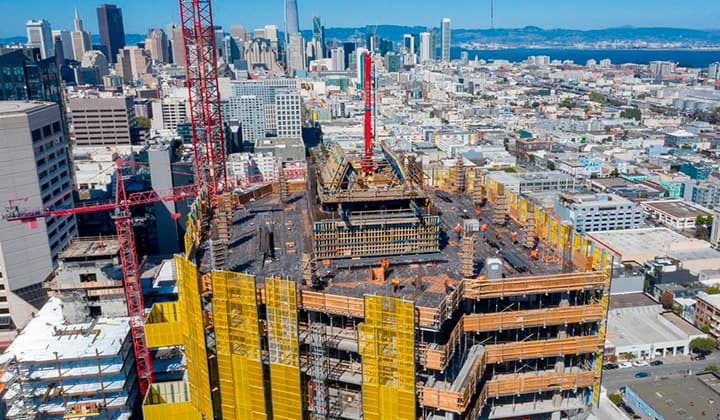
Kalıp tasarım otomasyonu
Our client from
California, USA
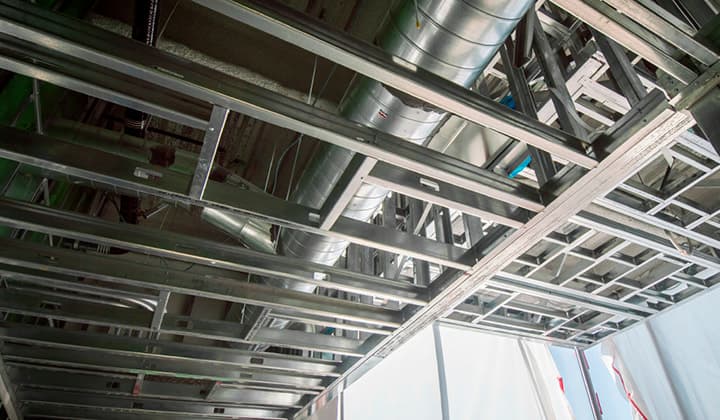
Asma tavan tasarım otomasyonu
Our client from
New York, USA
Duvar çerçeveleme tasarım otomasyonu
Our client from
California, USA