Herhangi bir sorunuz var mı? Bize ulaşın!
Ekibimize katılın!
Ücretsiz fiyat teklifi veya danışmanlık talep edin

Industrial construction involves building large-scale facilities designed for manufacturing, processing, energy production, and heavy industrial operations. Unlike commercial or residential construction, it requires specialized engineering, heavy equipment, and strict safety protocols to create structures like power plants, refineries, warehouses, and processing facilities that can withstand demanding operational requirements.
The construction industry breaks down into several distinct sectors, each with its own requirements and challenges. While residential and commercial construction get most of the attention, industrial construction operates on an entirely different scale and complexity level.
According to the Bureau of Labor Statistics, the construction sector comprises establishments primarily engaged in the construction of buildings or engineering projects, including highways and utility systems. But industrial construction sits in a specialized category that demands unique expertise.
So what exactly sets industrial construction apart? And why does it require such different approaches compared to other construction types?
Defining Industrial Construction
Industrial construction refers to the building and installation of facilities designed for manufacturing, processing, production, and distribution of goods. These aren’t your typical office buildings or apartment complexes. They’re specialized structures built to house heavy machinery, process raw materials, generate power, or store massive quantities of products.
The roots of industrial construction trace back to the Industrial Revolution. Richard Arkwright demonstrated the financial benefits of using industrial structures to increase the production of goods dramatically by establishing the first modern factory at Cromford.
The market reflects this importance. Industrial facilities represent a significant market segment, supporting everything from pharmaceutical production to automotive manufacturing.
But here’s the thing—industrial construction isn’t just about scale. It’s about function, durability, and meeting incredibly specific operational requirements that commercial buildings never face.
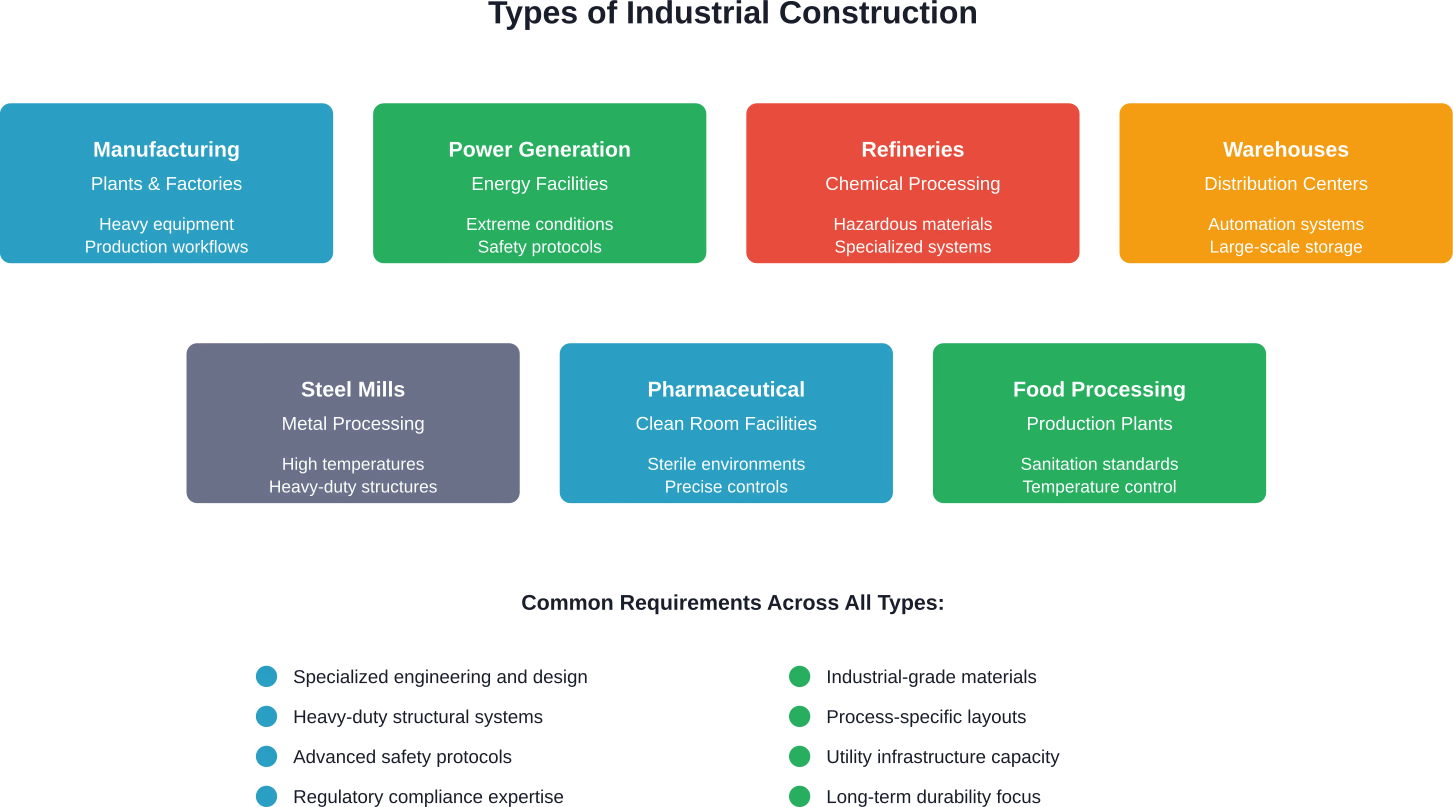
Types of Industrial Construction Projects
Industrial construction encompasses several distinct project categories, each with specialized requirements and design considerations.
Manufacturing Plants and Factories
These facilities produce everything from automobiles to consumer electronics. Manufacturing plants require robust structural systems to support heavy equipment, specialized flooring that can handle constant vibration and weight, and layouts optimized for production workflows.
The design process must account for machinery placement, material flow, worker safety zones, and future expansion capabilities.
Power Generation Facilities
Power plants—whether coal, natural gas, nuclear, or renewable energy—represent some of the most complex industrial construction projects. These facilities require extraordinary safety measures, specialized engineering, and materials that can withstand extreme temperatures and pressures.
Energy sector construction often involves years of planning, rigorous regulatory approval processes, and construction timelines that span multiple years.
Refineries and Chemical Processing Plants
Oil refineries and chemical plants demand the highest levels of precision and safety protocols. These facilities process hazardous materials, operate under extreme conditions, and require specialized piping systems, containment structures, and emergency response infrastructure.
According to OSHA construction industry standards, workers in these environments face hazards that require extensive safety training and protective equipment.
Warehouses and Distribution Centers
Modern warehouses have evolved far beyond simple storage buildings. Today’s distribution centers incorporate advanced automation systems, climate control for sensitive products, and layouts designed for maximum efficiency in receiving, storing, and shipping goods.
These facilities often span hundreds of thousands of square feet and require specialized flooring, high-capacity electrical systems, and sophisticated fire suppression systems.
How Industrial Construction Differs From Commercial Construction
The differences between commercial and industrial construction go far beyond just building size. These distinctions affect every aspect of the construction process.
| Aspect | Commercial Construction | Endüstriyel İnşaat
|
|---|---|---|
| Birincil Amaç | Office space, retail, hospitality | Manufacturing, processing, production |
| Design Focus | Aesthetics, customer experience | Functionality, operational efficiency |
| Structural Requirements | Standard load capacity | Heavy-duty systems for equipment |
| Safety Standards | Building codes, accessibility | OSHA industrial standards, hazard protocols |
| Mekanik Sistemler | HVAC, plumbing, electrical | Process piping, specialized utilities, high-voltage power |
| Zaman Çizelgesi | Months to 1-2 years | Often 2-5+ years for major facilities |
| Yükleniciler | General contractors | Specialized industrial contractors |
Industrial buildings must support dramatically heavier loads. Equipment in manufacturing plants can weigh hundreds of tons, requiring reinforced concrete foundations and steel structural systems far beyond commercial building standards.
The Occupational Safety and Health Administration maintains specific construction industry standards that address the unique hazards present in industrial construction environments. Workers face risks from heavy equipment, hazardous materials, extreme temperatures, and complex machinery installations.
Specialized Engineering Requirements
Industrial construction demands collaboration between multiple engineering disciplines. Structural engineers work alongside process engineers, mechanical engineers, electrical engineers, and environmental specialists to create integrated systems.
This isn’t just about putting up walls and a roof. It’s about creating an environment where complex industrial processes can operate safely and efficiently for decades.
Key Players in Industrial Construction
Successful industrial construction projects require specialized teams with deep industry expertise.
Industrial Contractors
These aren’t your typical general contractors. Industrial contractors bring specialized knowledge in heavy equipment installation, process systems, and industry-specific building requirements. They understand the unique challenges of constructing facilities while maintaining strict safety protocols and regulatory compliance.
Engineering Firms
Design-build approaches are common in industrial construction, with engineering firms handling both design and construction coordination. This integrated approach helps manage the complexity of industrial systems and ensures all components work together seamlessly.
Specialized Subcontractors
Industrial projects require subcontractors with specific expertise—piping specialists, electrical contractors experienced with high-voltage industrial systems, concrete specialists who understand heavy-duty foundation requirements, and mechanical contractors familiar with process equipment installation.
Equipment and Materials Used in Industrial Construction
The scale and complexity of industrial construction require specialized equipment that goes beyond standard construction machinery.
Heavy earthmoving equipment prepares sites for massive foundations. Industrial projects often require excavation depths and foundation systems far more substantial than commercial buildings. Cranes with extraordinary lifting capacities position structural steel and heavy equipment that can weigh hundreds of thousands of pounds.
Materials must meet industrial-grade specifications. Steel structural members are often much heavier gauge than commercial construction requires. Concrete mixes are engineered for specific strength requirements and chemical resistance. Specialized coatings protect surfaces from corrosive materials and extreme temperatures.
According to industry sources, equipment rental plays a crucial role in industrial construction, allowing contractors to access specialized machinery for specific project phases without the capital investment of ownership.
Safety and Regulatory Compliance
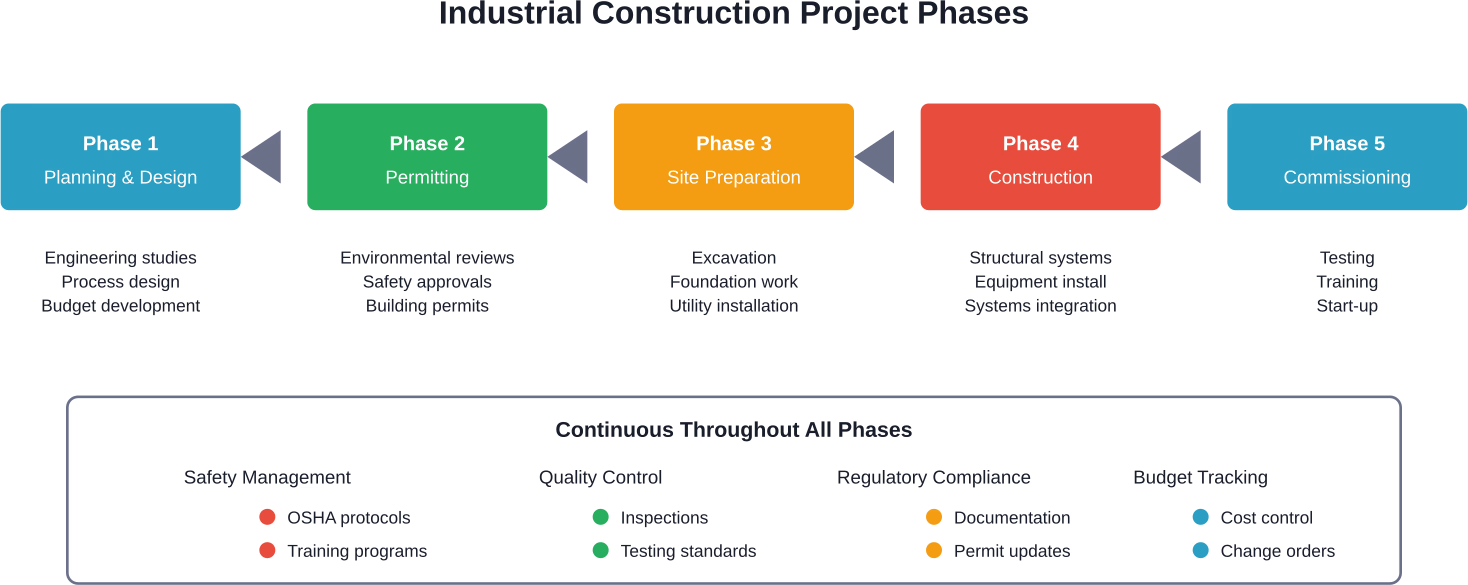
OSHA construction standards apply across the industry, but industrial construction faces additional layers of regulation depending on the facility type.
Environmental regulations govern everything from stormwater management during construction to emissions control systems in the finished facility. Energy facilities must meet Nuclear Regulatory Commission standards or Federal Energy Regulatory Commission requirements. Chemical plants face EPA oversight and industry-specific safety protocols.
Personal protective equipment requirements in industrial construction often exceed those in commercial construction. Workers may need specialized respiratory protection, chemical-resistant clothing, and equipment designed for specific industrial hazards.
The Bureau of Labor Statistics classifies construction under NAICS code 23, with construction and extraction occupations projected to grow faster than average through 2034, with significant openings projected each year in construction and extraction occupations.
Choosing the Right Industrial Construction Partner
The complexity and scale of industrial construction make partner selection crucial. Experience matters enormously in this sector—contractors who’ve successfully completed similar facility types understand the unique challenges and requirements.
Look for firms that demonstrate strong safety cultures with documented safety programs and low incident rates. Check their regulatory compliance track record and relationships with permitting agencies. The best industrial contractors bring problem-solving capabilities to handle the inevitable challenges that arise during complex projects.
Financial stability matters too. Industrial projects often span years, and contractor financial problems mid-project can derail timelines and budgets.
Make Industrial Projects Work In Reality, Not Just On Paper

Industrial construction leaves very little room for adjustment once work begins. Equipment layouts, service routes, and clearances all need to be right from the start, because small mismatches quickly turn into delays or rework.
Instead of treating this as a coordination task later, Powerkh works through the project as it develops, keeping design intent consistent and checking how it translates into real conditions. Their approach is built around continuity, following the design into coordination and then into construction, so what gets built stays aligned with what was planned.
👉 Work through your industrial project with Powerkh and make sure the design holds up once it reaches the floor.
The Future of Industrial Construction
Industrial construction continues evolving with advancing technology and changing manufacturing processes. Automation and robotics are transforming both construction methods and the facilities being built. Modular construction approaches are gaining traction for certain industrial building types, potentially reducing timelines and costs.
Sustainability pressures are reshaping industrial facility design. Energy efficiency isn’t just environmentally responsible—it directly impacts operational costs over decades of facility operation.
According to the Bureau of Labor Statistics, construction and extraction occupations show strong growth projections through 2034, reflecting continued demand for these specialized skills.
Industrial construction remains the backbone of manufacturing and production infrastructure. These facilities enable the production of everything from food and pharmaceuticals to automobiles and electronics. Understanding what sets industrial construction apart helps stakeholders plan better projects, select appropriate partners, and manage expectations for these complex undertakings.
Whether planning a new manufacturing facility, expanding an existing operation, or developing industrial property, working with experienced industrial construction professionals ensures projects meet technical requirements, regulatory standards, and operational needs that will serve businesses for decades to come.
Sıkça Sorulan Sorular
What makes industrial construction different from other construction types?
Industrial construction focuses on facilities for manufacturing and production. It involves specialized engineering, heavy equipment integration, stricter safety standards, and contractors with industry-specific expertise.
How long do industrial construction projects typically take?
Project timelines vary widely. Smaller facilities may take under a year, while complex industrial plants can require several years from design through completion.
What are the most common types of industrial buildings?
Common industrial buildings include manufacturing plants, warehouses, refineries, power facilities, food processing plants, and pharmaceutical production sites.
Do industrial construction projects require special permits?
Yes. Industrial projects often require environmental, safety, and regulatory permits in addition to standard construction approvals, depending on the facility type.
What qualifications should industrial contractors have?
Contractors should have experience with similar industrial projects, proper licensing, strong safety records, and knowledge of industry-specific regulations and systems.
How much does industrial construction cost per square foot?
Costs vary significantly depending on complexity and facility type. Basic industrial buildings are more affordable, while specialized facilities can be much more expensive due to advanced systems and requirements.
What role does sustainability play in modern industrial construction?
Sustainability is increasingly important, with projects incorporating energy efficiency, resource conservation, and environmentally responsible materials to reduce long-term impact.

Vaka Çalışmalarımız
Ticari, endüstriyel ve konut sektörleri için 200'den fazla BIM ve VDC projesi gerçekleştirdik.
Çalışmalarımız şunları içermektedir:
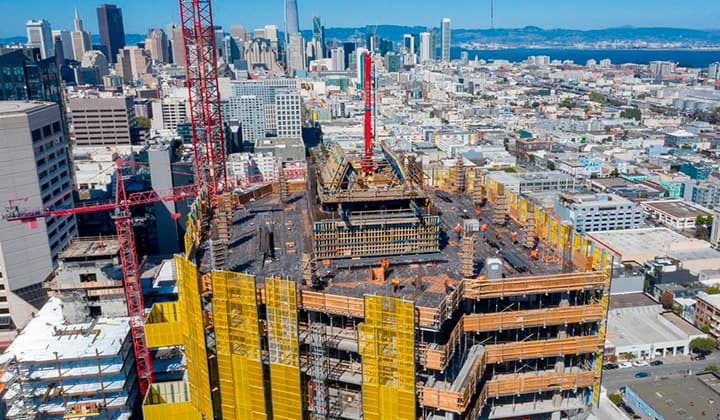
Kalıp tasarım otomasyonu
Our client from
California, USA
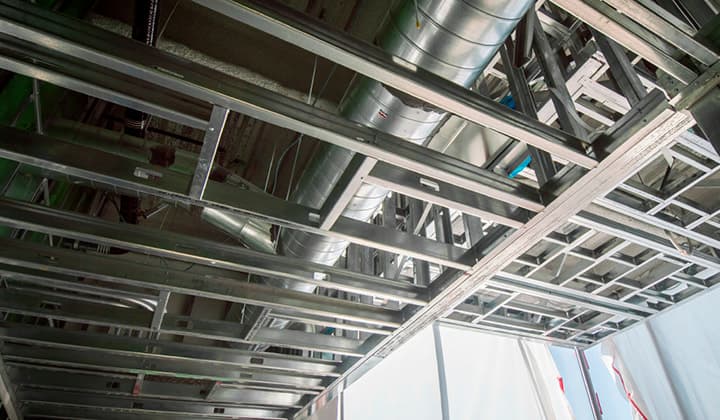
Asma tavan tasarım otomasyonu
Our client from
New York, USA
Duvar çerçeveleme tasarım otomasyonu
Our client from
California, USA