Herhangi bir sorunuz var mı? Bize ulaşın!
Ekibimize katılın!
Ücretsiz fiyat teklifi veya danışmanlık talep edin

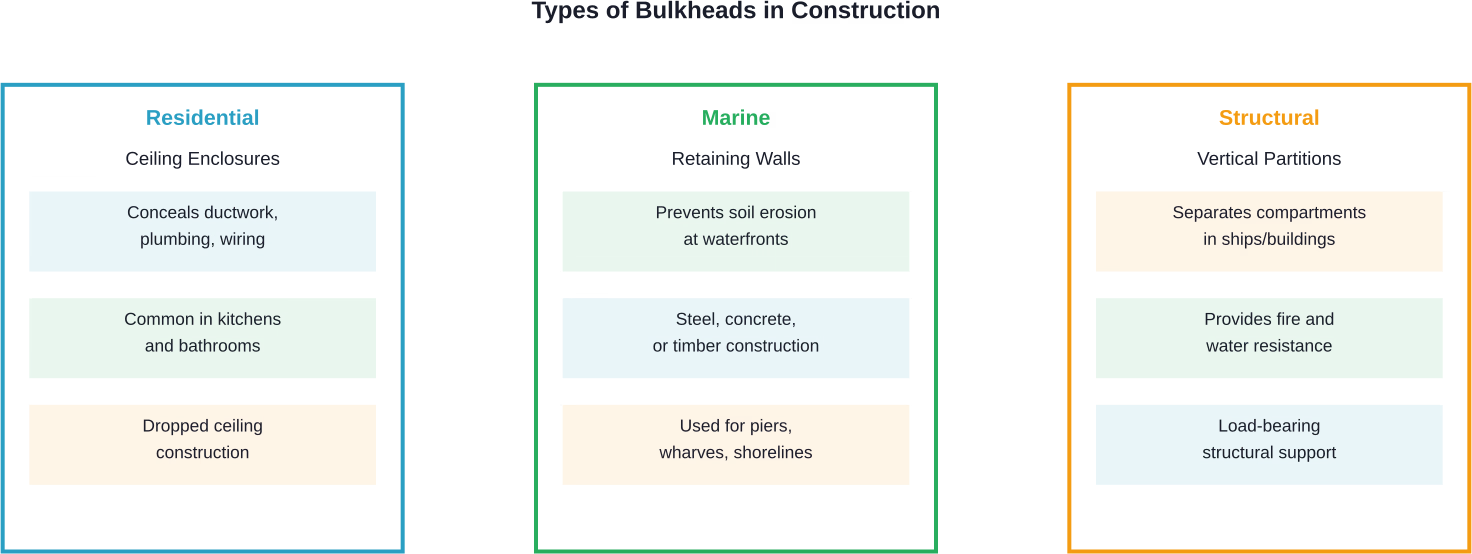
A bulkhead in construction refers to different structural elements depending on context: in residential buildings, it’s a boxed-in section of dropped ceiling used to conceal ductwork, plumbing, or wiring; in marine construction, it’s a retaining wall that prevents soil erosion along waterfronts; in ships and commercial buildings, it’s a vertical partition that provides structural support and fire separation between spaces.
The term “bulkhead” creates confusion because it means different things across construction disciplines. Walk into a residential kitchen remodel discussion, and bulkheads refer to those boxy ceiling sections above cabinets. Talk to marine engineers, and bulkheads are massive retaining walls protecting shorelines.
Understanding which type of bulkhead applies to a specific project matters. The design requirements, materials, and construction methods vary dramatically between a decorative kitchen bulkhead and a structurally critical marine bulkhead.
This guide breaks down the three main types of bulkheads encountered in construction projects and explains when each is used.
Residential Bulkheads: Ceiling Enclosures
In home construction, a bulkhead is a section of ceiling that has been dropped and boxed-in or enclosed. According to Thompson Remodeling, bulkheads are typically used to conceal structural elements that can’t be relocated.
These ceiling enclosures commonly appear in kitchens, bathrooms, and basements. They serve practical purposes rather than purely aesthetic ones.
Common Reasons for Kitchen and Bathroom Bulkheads
Bulkheads solve specific design challenges. Here’s what they typically hide:
- HVAC ductwork running through the space
- Plumbing pipes and drain lines
- Electrical wiring and junction boxes
- Structural beams that can’t be moved
- Exhaust ventilation systems
Rather than exposing these elements or undertaking expensive relocation work, builders enclose them within a finished bulkhead. This creates a cleaner visual appearance while maintaining access if repairs are needed.
The space between the top of kitchen cabinets and the ceiling often features bulkheads. This design choice creates uniformity and addresses the challenge of varying ceiling heights or concealing necessary mechanical systems.
Visual Benefits and Design Considerations
Beyond their practical function, bulkheads offer design advantages. They create visual boundaries that define spaces and add architectural interest to otherwise flat ceilings.
Montgomery Homes notes that bulkheads can add dimension and style to kitchens. Strategic bulkhead placement creates the illusion of higher ceilings in the main living areas while concealing necessary infrastructure.
Some homeowners choose to add lighting within or along bulkheads. Recessed fixtures or LED strips integrated into bulkhead design provide ambient lighting and highlight architectural features.
Marine Bulkheads: Waterfront Retaining Structures
In marine construction, bulkheads serve an entirely different purpose. These are retaining walls built along shorelines to prevent soil erosion and protect waterfront property.
According to Yelton Construction, marine bulkheads are essential structures for residential marinas and beachfront properties. They create a defined boundary between land and water while stabilizing the shore.
How Marine Bulkheads Work
Marine bulkheads function as vertical barriers driven into the ground below the waterline. The structure extends above the water surface to retain soil behind it.
These structures resist lateral soil pressure and wave action. The design must account for tidal fluctuations, storm surges, and the corrosive marine environment.
Materials commonly used for marine bulkheads include:
- Steel sheet piling (referenced in ASTM A857/A857M standards)
- Concrete panels or caissons
- Treated timber planks
- Vinyl (PVC)
ASTM standards address materials for marine environments, including high-strength steel H-piles and sheet piling with atmospheric corrosion resistance specifically designed for waterfront applications (ASTM A690/A690M-24).
Bulkheads vs. Seawalls: Understanding the Difference
Many people confuse bulkheads with seawalls. While both are waterfront structures, they serve distinct purposes.
| Özellik | Bulkhead | Seawall
|
|---|---|---|
| Birincil Amaç | Soil retention and erosion prevention | Wave deflection and property protection |
| Typical Location | Areas with minimal wave action (lagoons, harbors) | High-energy shorelines with significant waves |
| Construction Height | Generally lower profile | Taller to handle wave overtopping |
| Design Focus | Lateral soil pressure resistance | Wave energy dissipation |
| Common Materials | Steel, vinyl, timber, concrete | Reinforced concrete, stone riprap |
Bulkheads work best in protected waters. Seawalls handle the punishment of open ocean conditions.
New Jersey coastal regulations (N.J. Admin. Code § 7:7-6.10) addresses the reconstruction of legally existing bulkheads, with specific requirements for lagoon lots versus non-lagoon properties. These regulations ensure bulkheads are rebuilt in-place or upland of existing structures to prevent further encroachment into waterways.
Seismic Considerations for Marine Structures
The American Society of Civil Engineers (ASCE) has developed specialized guidelines for seismic design of bulkheads. According to ASCE documentation, these guidelines address planar flexible bulkheads and lateral force resisting systems specific to marine engineering where bulkheads may constitute quays, docks, or cut-off walls in pile-supported structures.
Seismic design standards for piers and wharves have evolved significantly. From the inception of marine structure design through the 1980s, equivalent lateral force methods were standard practice. Modern approaches now incorporate performance-based methodologies that allow engineers to design more resilient structures.
Structural Bulkheads in Ships and Commercial Buildings
The third type of bulkhead appears in naval architecture and commercial construction. These are vertical partitions that divide interior spaces into separate compartments.
In ships, bulkheads provide watertight compartmentalization. If one section floods, watertight bulkheads prevent water from spreading throughout the vessel.
ASTM E2963-15 establishes standard test methods for laboratory measurement of acoustical effectiveness of ship noise treatments, including marine bulkhead treatments. This addresses the dual function many bulkheads serve: structural separation and sound insulation.
Fire-Rated Bulkheads in Buildings
Commercial buildings use bulkheads as fire barriers. These rated assemblies compartmentalize buildings to slow fire spread and provide evacuation time.
Fire-rated bulkheads must meet specific performance standards. They’re constructed with fire-resistant materials and tested to withstand flames and heat for designated periods—typically one to four hours depending on building codes.
The materials used in these structural bulkheads often include calcium silicate insulating board (covered under ASTM C656 specifications), which provides both structural support and fire resistance.
Design and Construction Best Practices
Regardless of type, proper bulkhead design requires attention to specific factors. Each application demands different expertise and construction methods.
Residential Bulkhead Installation
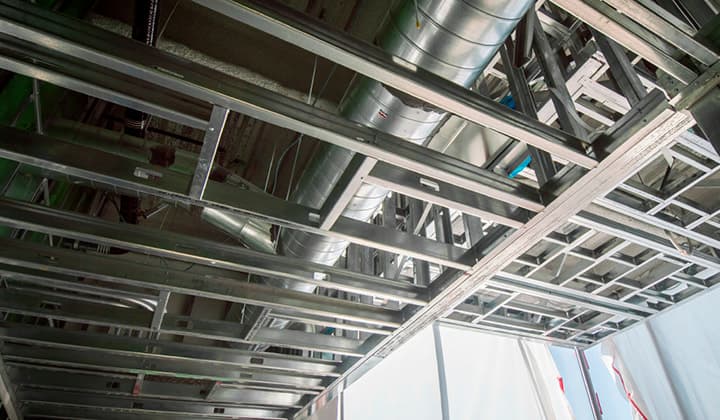
For ceiling bulkheads, the construction process involves framing a box structure using wood or metal studs. The frame attaches to ceiling joists and is finished with drywall that matches surrounding surfaces.
Proper access panels should be incorporated where mechanical systems may require future maintenance. This prevents the need to tear apart finished surfaces later.
Montgomery Homes emphasizes that bulkhead installation during new construction is far easier than retrofitting. Planning bulkhead locations early in the design phase allows for better integration with overall aesthetics.
Marine Bulkhead Engineering
Marine bulkheads require geotechnical analysis and structural engineering. Soil conditions, water depth, tidal range, and expected loads all influence design.
The ASCE has developed comprehensive design standards for piers and wharves that establish consistent analysis and design guidance for determining loads, load combinations, and load factors for mooring, berthing, and wave forces. These standards apply directly to bulkhead design in marine environments.
Waterfront infrastructure inspection requires specialized expertise. According to ASCE documentation, a specialized discipline within civil engineering has evolved to support the inspection, assessment, and maintenance of waterfront structures—essential for economic growth, national security, and recreation.
Get Bulkheads Built Without Last-Minute Changes

Bulkheads depend on real space, not ideal space. When structure and services don’t align, changes happen during installation. That’s where delays and compromises appear. Powerkh reviews the actual site conditions before construction starts, so you know exactly what will fit and what won’t.
Confirm Bulkhead Fit Before Installation
Powerkh helps you understand:
- The true available space for bulkhead construction
- Where surrounding elements restrict installation
- Which areas will force changes during build
- What needs adjustment before work begins
Bring Powerkh in early and build bulkheads that fit without changes on site.
When Bulkheads Make Sense
Not every project needs a bulkhead. Understanding when they’re beneficial versus when alternatives might work better saves money and improves outcomes.
For residential projects, consider bulkheads when:
- Mechanical systems can’t be rerouted without significant expense
- Structural beams create uneven ceiling heights
- Design calls for defined spatial boundaries
- Creating a transition between different ceiling treatments
For waterfront properties, bulkheads are appropriate when soil stability is compromised or erosion threatens structures. Properties on protected waters with moderate wave action benefit most from bulkhead installation rather than more expensive seawall construction.
Sonuç
Bulkheads serve critical functions across construction disciplines, from concealing mechanical systems in homes to protecting waterfront property from erosion. Understanding the type of bulkhead relevant to a specific project ensures proper design and construction.
Residential bulkheads solve practical concealment challenges while adding architectural interest. Marine bulkheads provide essential shoreline stabilization. Structural bulkheads create fire and water barriers in ships and buildings.
Each application requires specialized knowledge and appropriate materials. Working with experienced professionals—whether residential contractors, marine engineers, or commercial builders—ensures bulkheads perform their intended function safely and effectively.
Planning bulkheads early in design phases, using appropriate materials for the environment, and following applicable standards produces better long-term results. Whether building a new kitchen or protecting waterfront property, proper bulkhead design and construction delivers lasting value.
Sıkça Sorulan Sorular
What is the purpose of a bulkhead in a kitchen?
Kitchen bulkheads conceal ductwork, plumbing, wiring, and structural elements above cabinets. They create a clean, finished look while allowing access to these systems for maintenance.
How much does it cost to build a marine bulkhead?
Costs vary based on materials, site conditions, water depth, engineering requirements, permits, and accessibility. Accurate estimates require evaluation by marine construction professionals due to highly variable conditions.
What’s the difference between a bulkhead and a soffit?
A bulkhead typically refers to a boxed enclosure used to hide services or structural elements inside a room. A soffit is the underside of any architectural element, such as roof overhangs or arches. In some regions, the terms overlap, but they describe slightly different concepts.
Can I remove a bulkhead in my kitchen?
It depends on what the bulkhead contains. If it only hides services like ductwork or pipes, removal may be possible with modifications. If it encloses structural elements, removal requires major engineering changes. A contractor should assess before making decisions.
How long do marine bulkheads last?
Lifespan depends on material and environmental exposure. Steel, timber, and concrete bulkheads each perform differently, but regular inspection and corrosion protection significantly extend service life.
Are bulkheads required by building codes?
Bulkheads themselves are not typically required, but codes may require fire-rated enclosures or separations that are achieved using bulkhead construction. In coastal areas, regulations may also govern marine bulkhead installation and replacement.
What materials are best for residential bulkheads?
Most residential bulkheads use wood or metal stud framing finished with drywall. The choice typically matches the surrounding construction. In some cases, fire-rated materials are required depending on location and code requirements.

Vaka Çalışmalarımız
Ticari, endüstriyel ve konut sektörleri için 200'den fazla BIM ve VDC projesi gerçekleştirdik.
Çalışmalarımız şunları içermektedir:
Kalıp tasarım otomasyonu
Our client from
California, USA
Asma tavan tasarım otomasyonu
Our client from
New York, USA
Duvar çerçeveleme tasarım otomasyonu
Our client from
California, USA