Herhangi bir sorunuz var mı? Bize ulaşın!
Ekibimize katılın!
Ücretsiz fiyat teklifi veya danışmanlık talep edin

A construction manager is a professional who plans, coordinates, and supervises construction projects from start to finish, overseeing budget, schedule, quality, and safety. According to the Bureau of Labor Statistics, construction managers earned a median annual wage of $106,980 in 2024, with job growth projected at 9% from 2024 to 2034. These professionals typically need a bachelor’s degree in construction-related fields plus substantial on-site experience to succeed in this leadership role.
Drive through any city in America and one thing becomes immediately clear: construction is everywhere. From residential housing developments to massive commercial complexes, someone has to oversee these projects from blueprint to ribbon-cutting. That someone is a construction manager.
But what exactly does a construction manager do? How much do they earn? And what qualifications do they need to land this role?
This guide breaks down everything about construction management as a career, drawing on data from the Bureau of Labor Statistics and insights from industry experts. Whether someone’s considering this career path or just curious about who manages those building sites, here’s what they need to know.
Defining the Construction Manager Role
According to the Bureau of Labor Statistics, construction managers plan, coordinate, budget, and supervise construction projects from start to finish. They’re the strategic leaders who ensure building projects are completed safely, on time, and within budget.
The Construction Management Association of America defines it as “a professional service that provides a project’s owner with effective management of the project’s schedule, cost, quality, safety, scope, and function.”
Think of construction managers as the conductors of an orchestra. They don’t necessarily perform every task themselves, but they coordinate all the moving parts—subcontractors, laborers, equipment, materials, permits—to create a harmonious final product.
These professionals work across all types of construction projects, including:
- Residential housing developments
- Commercial office buildings and retail spaces
- Industrial facilities and warehouses
- Public infrastructure like roads, bridges, and schools
- Heavy civil engineering projects
The role is compatible with all project delivery methods, whether traditional design-bid-build, design-build, or construction management at-risk approaches.
Support Construction Management With Better BIM Workflows

Construction managers often need reliable models, updated documentation, and clearer coordination across disciplines. Powerkh provides BIM modeling, BIM coordination, Scan to BIM, BIM automation, prefabrication support, and structural detailing. Their work helps project teams keep drawings, design changes, and model-based coordination more organized through the project.
Need BIM Help to Keep a Project on Track?
Talk with Powerkh to:
- improve model coordination and clash resolution
- generate accurate documentation and shop drawings
- use BIM automation to speed up repetitive design tasks
👉 Contact Powerkh to review your drawings, scope, and BIM needs.
Core Responsibilities of Construction Managers
What do construction managers actually do day-to-day? The responsibilities are broad and demanding.
Planning and Scheduling
Construction managers develop detailed project timelines that account for every phase of construction. They coordinate with architects, engineers, and owners during the conceptual development phase, then break down the project into manageable stages.
This involves determining the order of operations, estimating how long each phase will take, and building in contingencies for delays. Weather, material shortages, permit issues—all these variables must be factored into the schedule.
Budget Management
Financial oversight is critical. Construction managers prepare cost estimates, allocate funds across different project phases, and track expenses against the budget throughout the build.
They review contractor bids, negotiate prices for materials and services, and make decisions that balance quality with cost-effectiveness. When unexpected expenses arise—and they always do—construction managers determine how to adjust without derailing the project.
Hiring and Supervising Personnel
Construction managers hire and manage subcontractors, laborers, and tradespeople. This means vetting candidates, negotiating contracts, and coordinating multiple teams working simultaneously on different aspects of the project.
They delegate tasks, monitor work quality, and address any personnel issues that arise. Strong leadership skills are essential here.
Güvenlik ve Uyumluluk
Ensuring the worksite complies with safety regulations and legal requirements is non-negotiable. Construction managers implement safety protocols, conduct regular inspections, and ensure all workers follow OSHA standards and local building codes.
According to the Associated General Contractors of America, providing a safe project for all workers, visitors, and the public is one of the primary goals of any construction project.
Communication and Coordination
Construction managers serve as the central communication hub. They update project owners on progression, coordinate with architects and engineers on design questions, communicate with local authorities about permits and inspections, and keep all stakeholders informed.
This requires juggling phone calls, emails, site meetings, and documentation—often all at once.
Work Environment and Conditions
Construction managers split their time between office settings and active construction sites. This isn’t a desk job.
On-site work means exposure to the elements—heat, cold, mud, dust. It requires wearing hard hats and safety gear, climbing ladders, and walking across uneven terrain. Physical stamina matters.
The office portion involves computer work: reviewing blueprints, updating schedules, managing budgets, and handling administrative tasks. Most construction managers maintain both a site office and a main office workspace.
Hours can be demanding. While the standard workweek might be around 40 hours, deadlines often require evenings and weekends. When problems arise—equipment failures, weather delays, safety incidents—construction managers need to be available to address them immediately.
Travel is common, especially for managers overseeing multiple projects or working for firms that build across different regions.
Construction Manager Salary and Compensation
Here’s what construction managers earn, based on Bureau of Labor Statistics data.
2024 Median Wage
The median annual wage for construction managers was $106,980 in 2024, according to the BLS. That breaks down to $51.43 per hour.
But there’s significant variation depending on experience, location, and the type of construction work.
Salary Range by Experience
Based on BLS data from May 2023, the salary distribution looks like this:
| Percentile | Annual Wage | Description
|
|---|---|---|
| Bottom 10% | ~$62,000 | Entry-level or small projects |
| 25th Percentile | ~$77,000 | Early career professionals |
| Median (50th) | $106,980 | Experienced managers |
| 75th Percentile | ~$142,000 | Senior managers |
| Top 10% | $180,000+ | Top-tier, large projects |
Salary by Industry
The type of construction work influences compensation. According to BLS data from May 2023, construction managers in heavy and civil engineering construction earned the highest median annual salary at approximately $97,000, followed by those in nonresidential building construction.
Those working for specialty trade contractors or in residential building construction typically earn slightly less, though regional variations apply.
Educational Requirements and Qualifications
So how does someone become a construction manager? The path typically combines formal education with hands-on experience.
Bachelor’s Degree
According to the Bureau of Labor Statistics, the typical entry-level education requirement is a bachelor’s degree. Large construction firms particularly prefer candidates who have both construction experience and a bachelor’s degree in a construction-related field.
Relevant degree programs include:
- İnşaat Yönetimi
- Construction Science
- İnşaat Mühendisliği
- Mimarlık
- Building Science
These programs typically require around 120 credits and take four years to complete. Coursework covers project planning, cost estimation, building codes and standards, contract administration, structural engineering, and construction methods.
Many programs also require internships or cooperative education experiences, providing students with practical construction site exposure before graduation.
Work Experience
Education alone isn’t enough. Construction managers need substantial on-site experience to understand how projects actually work.
Many construction managers start in the trades—as carpenters, masons, electricians, or plumbers. After several years gaining hands-on knowledge, they transition into supervisory roles and eventually into management positions.
This pathway is particularly common for those who enter the field without a bachelor’s degree, though it takes longer to reach management level.
Certifications and Credentials
While not always required, professional certifications can enhance career prospects:
- Certified Construction Manager (CCM) from the Construction Management Association of America
- Project Management Professional (PMP) from the Project Management Institute
- OSHA safety certifications
- State-specific contractor licenses
The Associated General Contractors of America also offers specialized training programs like Construction Supervision Fundamentals and Project Manager Development Programs that provide additional skills and credentials.
Alternative Pathways
Apprenticeships offer another route. According to industry sources, apprenticeships are open to anyone over 16, with apprentices fully employed while splitting time between on-the-job experience and classroom training at a college or training provider.
This earn-while-you-learn approach takes longer but provides deep practical knowledge alongside theoretical education.
Essential Skills for Construction Managers
Technical knowledge alone won’t cut it. Construction managers need a diverse skill set spanning technical, managerial, and interpersonal domains.
Technical Skills
Understanding construction methods, materials, and equipment is fundamental. Construction managers must read and interpret blueprints, understand structural engineering principles, and stay current with building codes and regulations.
Proficiency with construction management software, project scheduling tools, and digital collaboration platforms is increasingly important as the industry adopts technology.
Leadership and Management
Managing diverse teams requires strong leadership. Construction managers must motivate workers, resolve conflicts, delegate effectively, and maintain authority while fostering collaboration.
Decision-making under pressure is constant. When issues arise—and on construction sites, they always do—managers need to assess situations quickly and choose solutions that balance safety, quality, budget, and schedule.
İletişim
Clear communication prevents costly mistakes. Construction managers communicate with owners, architects, engineers, subcontractors, suppliers, inspectors, and workers—each group with different technical knowledge and priorities.
Written communication matters for contracts, reports, and documentation. Verbal communication is essential for site coordination and problem-solving.
Financial Acumen
Budget management requires understanding cost estimation, financial forecasting, and expense tracking. Construction managers analyze bids, negotiate contracts, and make financial decisions that impact project profitability.
Problem Çözme
Construction sites are dynamic environments where plans rarely unfold exactly as expected. Weather delays, material shortages, design changes, equipment breakdowns, labor issues—construction managers constantly troubleshoot and adapt.
Creative problem-solving that finds alternatives without compromising safety or quality is a hallmark of successful managers.
Job Outlook and Career Growth
The career outlook for construction managers is strong, according to BLS projections.
Employment Growth
The Bureau of Labor Statistics projects employment of construction managers will grow 9% from 2024 to 2034, which is much faster than the average for all occupations (3%).
According to the 2024 Bureau of Labor Statistics data, there were 550,300 construction manager jobs. That number continues growing, driven by ongoing demand for new construction and infrastructure improvement.
As interest in alternative energy increases, related construction projects—like solar photovoltaic installations and wind turbine facilities—are creating additional opportunities for construction managers with specialized expertise.
Job Openings
About 1.1 million openings are projected annually across all management occupations through 2034. Construction management accounts for a significant portion of these opportunities.
Turnover creates openings as experienced managers retire, and new construction projects require additional management personnel.
Regional Variations
Job availability varies by location. Metropolitan areas with active construction markets—particularly those experiencing population growth or infrastructure investment—offer more opportunities.
State and area data from the BLS shows concentration in states with robust construction industries, though opportunities exist nationwide.
Industry Sectors
Construction managers work across various industry sectors. The highest employment levels are found in:
- Nonresidential building construction
- Building equipment contractors
- Residential building construction
- Heavy and civil engineering construction
- Foundation, structure, and building exterior contractors
Each sector offers different project types, work environments, and specialization opportunities.
Construction Manager vs. General Contractor
These terms are sometimes used interchangeably, but they represent distinct roles with different responsibilities and relationships to projects.
Primary Differences
A construction manager provides professional management services to project owners, focusing on schedule, cost, quality, safety, scope, and function. Their responsibility is directly to the owner.
A general contractor, by contrast, enters into a contract to actually build the project. They’re responsible for executing the work, hiring subcontractors, purchasing materials, and completing construction according to specifications.
Contractual Relationships
Construction managers typically work on a fee-for-service basis, acting as the owner’s representative and advisor. They manage the process but don’t typically perform the actual construction work.
General contractors take on more risk, contracting to deliver a completed project for an agreed price. They’re accountable for the construction execution itself.
Role Overlap
In practice, there’s overlap. Some construction managers work for general contracting firms. And in some delivery methods—like construction management at-risk—the construction manager does hold a construction contract and bears financial risk similar to a general contractor.
The distinction matters more for understanding project organization than for excluding career possibilities.
| Aspect | Construction Manager | General Contractor
|
|---|---|---|
| Primary Role | Project oversight and management | Project execution and construction |
| Responsibility To | Project owner | Project owner (via contract) |
| Compensation | Fee for management services | Contract price for completed work |
| Financial Risk | Limited (unless at-risk CM) | Assumes construction cost risk |
| Focus Areas | Schedule, budget, coordination, quality | Labor, materials, subcontractors, execution |
Typical Career Progression
Construction management careers typically follow a progression from entry-level positions to senior leadership roles.
Entry Level: Assistant or Junior Manager
New graduates or those transitioning from trades often start as assistant construction managers or project coordinators. These roles involve supporting senior managers, learning project management systems, and gaining exposure to different project phases.
Responsibilities include tracking schedules, coordinating subcontractors, managing documentation, and handling specific project components under supervision.
Mid-Level: Construction Manager
With several years of experience, professionals advance to full construction manager roles, taking ownership of complete projects or major project phases.
At this level, managers oversee budgets, hire personnel, coordinate all construction activities, and serve as the primary point of contact for owners and stakeholders.
Senior Level: Senior Manager or Director
Experienced construction managers can advance to senior positions overseeing multiple projects simultaneously or managing other construction managers.
These roles involve strategic planning, business development, client relationships, and organizational leadership rather than day-to-day project execution.
Executive Level: Vice President or Principal
The highest career progression leads to executive positions within construction firms—vice president of operations, managing partner, or firm principal.
These professionals shape company strategy, develop major client relationships, and guide overall business direction.
Challenges in Construction Management
The role isn’t without its difficulties. Understanding the challenges helps set realistic expectations.
Demanding Schedules
Construction deadlines don’t respect weekends or holidays. When projects face delays or problems arise, construction managers work extended hours to get things back on track.
The work-life balance can be challenging, particularly during critical project phases.
High Pressure and Responsibility
Construction managers juggle competing demands from owners who want projects completed quickly and cheaply, while maintaining quality and safety standards.
The pressure is constant, and mistakes can be costly—both financially and in terms of safety.
Safety Concerns
Construction sites are inherently dangerous. Construction managers bear responsibility for worker safety, requiring constant vigilance and strict enforcement of safety protocols.
The emotional weight of ensuring everyone goes home safely each day is significant.
Complexity and Coordination
Managing dozens of subcontractors, hundreds of workers, thousands of deliveries, and countless moving parts requires exceptional organizational skills and attention to detail.
When coordination breaks down, delays and cost overruns follow quickly.
External Factors
Weather, regulatory changes, material price fluctuations, labor shortages—construction managers contend with numerous variables outside their control that nonetheless impact project outcomes.
Adaptability isn’t optional; it’s essential.
Future Trends in Construction Management
The construction industry is evolving, bringing new opportunities and requirements for construction managers.
Technology Integration
Building Information Modeling (BIM), drones for site surveys, project management software, and digital collaboration tools are transforming how construction projects are planned and executed.
Construction managers who embrace technology and develop digital competencies position themselves for success in an increasingly tech-enabled industry.
Sustainable Construction
Green building practices, energy-efficient designs, and sustainable materials are becoming standard rather than exceptional.
Construction managers need knowledge of sustainable construction methods, LEED certification requirements, and environmental compliance to meet growing demand for environmentally responsible building.
Prefabrikasyon ve Modüler Yapı
Off-site construction of building components, then assembly on-site, is gaining traction for its efficiency and quality control benefits.
This shift changes project management approaches, requiring different logistics and coordination strategies.
Workforce Development
Labor shortages in skilled trades create challenges for construction managers. Developing training programs, creating apprenticeship opportunities, and building strong teams becomes increasingly important.
Managers who excel at talent development and retention gain competitive advantage.
Similar and Related Occupations
Construction management skills transfer to related careers. Similar occupations include:
- Civil Engineers: Design and oversee infrastructure projects
- Architects: Design buildings and oversee architectural aspects of construction
- Cost Estimators: Calculate expected costs for construction projects
- Project Management Specialists: Coordinate projects across various industries
- Property Managers: Oversee building operations and maintenance
- Industrial Production Managers: Coordinate manufacturing and production activities
These careers share skills in project coordination, budgeting, scheduling, and stakeholder management, though each has distinct technical requirements and focus areas.
Sonuç
Construction managers play an indispensable role in bringing building projects from concept to completion. They coordinate complex operations, manage diverse teams, oversee substantial budgets, and ensure projects meet safety, quality, and schedule requirements.
The career offers strong financial rewards, with median annual wages of $106,980 and top earners exceeding $180,000. Job growth projections of 9% from 2024 to 2034 indicate robust demand for skilled professionals in this field.
But it’s not an easy path. The work demands technical expertise, leadership ability, financial acumen, and exceptional problem-solving skills. Long hours, high pressure, and constant coordination challenges are part of the package.
For those who thrive in dynamic environments, enjoy seeing tangible results from their work, and want to shape the built environment, construction management offers a rewarding career path. The combination of strategic planning and hands-on execution creates variety that keeps the work engaging year after year.
Whether someone pursues a bachelor’s degree in construction management or works their way up through the trades, the essential ingredients are the same: technical knowledge, practical experience, and the ability to lead teams toward successful project completion.
The buildings, roads, and infrastructure around us all required someone to manage their construction. As communities continue growing and aging infrastructure needs replacement, construction managers will remain essential to building the physical world we inhabit.
Ready to start a career in construction management? Research accredited construction management programs at universities in your area, or explore apprenticeship opportunities with local construction firms. The Bureau of Labor Statistics Occupational Outlook Handbook provides additional detailed information about education pathways, state-specific employment data, and industry trends to guide your career planning.
Sıkça Sorulan Sorular
How long does it take to become a construction manager?
It typically takes 4-8 years with a degree and experience, or 8-10+ years through trade-based career progression.
Do construction managers need to be licensed?
Licensing depends on location and role. Many managers do not require licenses, but contractor licenses may be needed depending on project involvement.
What’s the difference between a construction manager and a project manager?
Construction managers specialize in building projects, while project managers work across industries and may not have construction-specific expertise.
Is construction management a good career in 2026?
Yes. The field offers strong job growth, high earning potential, and consistent demand, though it can be demanding and fast-paced.
Can someone become a construction manager without a degree?
Yes, through extensive field experience and progression into supervisory roles, though this path typically takes longer.
What industries hire construction managers?
They work in residential, commercial, industrial, and infrastructure sectors, as well as government and energy projects.
What tools and software do construction managers use?
They use project management platforms, scheduling tools, BIM software, cost estimation systems, and collaboration tools.

Vaka Çalışmalarımız
Ticari, endüstriyel ve konut sektörleri için 200'den fazla BIM ve VDC projesi gerçekleştirdik.
Çalışmalarımız şunları içermektedir:
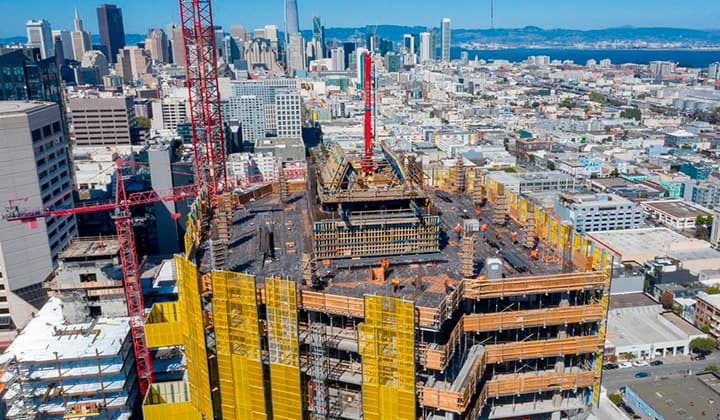
Kalıp tasarım otomasyonu
Our client from
California, USA
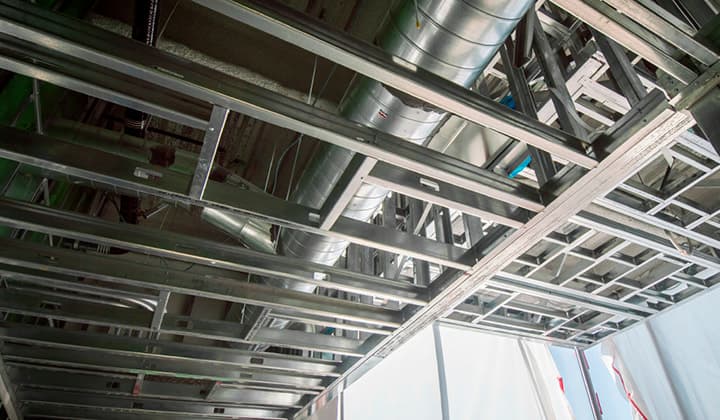
Asma tavan tasarım otomasyonu
Our client from
New York, USA
Duvar çerçeveleme tasarım otomasyonu
Our client from
California, USA