Herhangi bir sorunuz var mı? Bize ulaşın!
Ekibimize katılın!
Ücretsiz fiyat teklifi veya danışmanlık talep edin

Preparing land for construction involves checking zoning regulations, conducting soil testing and surveys, clearing vegetation and debris, grading and drainage setup, foundation preparation, and installing utilities. According to the EPA, site conditions such as contamination, topography, and flood zones significantly impact developable area and should be addressed during planning. Proper preparation prevents costly delays and structural issues down the road.
Building on raw land transforms empty property into something functional. But here’s the thing—skipping proper site preparation causes problems that multiply fast.
Poor soil conditions alone can derail an entire project. According to builder estimates, a construction soil test costs between $1,000 and $5,000, but it could prevent a $50,000 mistake later in the building process.
The EPA emphasizes that site conditions like contamination location, topography, regulated flood zones, and parcel dimensions directly impact the developable area. Challenges such as environmental cleanup and flood risks should be addressed during the planning process, not discovered mid-construction.
This guide breaks down each critical step for preparing land for construction.
Understanding Zoning Regulations and Permits
Local zoning regulations determine what gets built and where. These rules cover building types, structure height, setback requirements, and land use restrictions.
Start with the local planning or zoning department. They’ll explain what’s allowed on the property and what isn’t. Some areas restrict residential construction. Others prohibit certain building styles or require specific architectural features.
Building permits come next. The permit process verifies that construction plans meet safety codes and zoning requirements. Submitting applications early prevents delays once construction starts.
According to the EPA’s guidance on construction activities, obtaining proper preconstruction permits remains essential before beginning site work. Skipping this step can halt projects entirely.
Environmental assessments may be required, especially if the property sits near wetlands, protected habitats, or known contaminated sites. The EPA’s site assessment process includes preliminary assessments and site inspections that identify potential environmental concerns before construction begins.
Get Technical BIM Support From Powerkh

When a project needs extra BIM capacity, Powerkh works as a technical support partner for construction teams. The company provides BIM modeling, BIM coordination, scan to BIM, structural detailing, prefabrication support, and BIM automation. Its work helps teams organize project data, improve drawing quality, and reduce coordination problems before they reach the site.
Need a Team to Handle BIM and Detailing Work?
Talk with Powerkh to:
- create coordinated models from project files or scans
- catch clashes earlier in the process
- deliver shop drawings and detailed construction outputs
👉 Contact Powerkh to review your project and BIM needs.
Conducting Soil Testing and Geotechnical Surveys
Soil quality determines foundation stability. Testing reveals soil composition, bearing capacity, and potential problems like expansive clay or high water tables.
According to academic research from the University of Kentucky, geotechnical investigations provide information used to develop optimal geotechnical design, eliminating overconservative approaches that waste resources. However, conventional drilling and sampling typically provide coverage for 0.01% or less of a project’s surface area.
ASTM International maintains standards for soil sampling and site characterization. Their guidelines cover direct push soil sampling methods and sonic drilling practices for subsurface investigation.
Real talk: poor soil might mean expensive foundation work. According to builder estimates, foundation issues stemming from inadequate soil analysis can cost $50,000 or more to correct.
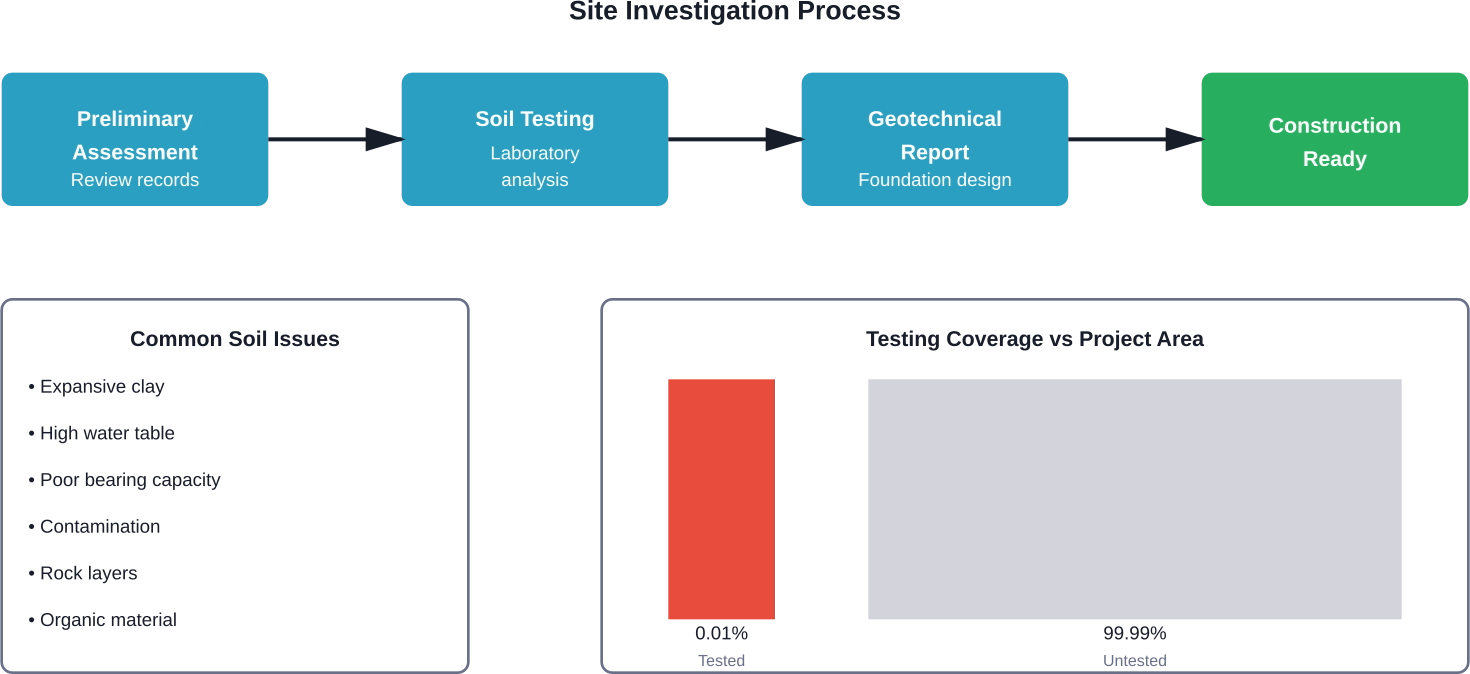
Soil testing also reveals contamination. The EPA notes that environmental cleanup challenges should be considered during planning. Building on contaminated soil without proper remediation creates health risks and legal liability.
A proper land survey accompanies soil testing. Surveys establish exact property boundaries, identify easements, and locate existing utilities. Survey costs vary by property size and complexity, but they’re non-negotiable for accurate site planning.
Clearing Land and Removing Vegetation
Land clearing removes trees, brush, stumps, and debris. The extent of clearing depends on the building footprint, access roads, and local regulations.
Some properties require selective clearing to preserve specimen trees or maintain erosion control. Others need complete clearing for large building sites or extensive grading.
Professional clearing contractors handle this work efficiently. They operate specialized equipment like bulldozers, excavators, and wood chippers that remove vegetation quickly.
But wait. Environmental considerations matter here. Protected species, wetlands, and heritage trees may restrict clearing activities. Check local regulations before removing any vegetation.
Cleared material needs proper disposal. Some jurisdictions allow on-site burning with permits. Others require hauling debris to approved facilities. Organic material can sometimes be chipped and spread as mulch.
| Clearing Method | İçin En İyisi | Equipment Needed | Considerations |
|---|---|---|---|
| Selective clearing | Wooded sites, tree preservation | Chainsaw, skid steer | Slower, preserves landscape |
| Complete clearing | Large building sites | Bulldozer, excavator | Fast, allows full site access |
| Grubbing | Removing roots and stumps | Excavator, stump grinder | Prevents regrowth |
| Controlled burn | Large rural properties | Fire equipment, permits | Weather dependent |
Grading and Establishing Drainage
Proper grading directs water away from structures. Without correct slopes, water pools around foundations causing moisture damage, settling, and structural problems.
Grading establishes the building pad—a level area where the structure sits. The pad must be properly compacted to prevent settling. Surrounding areas should slope away at appropriate grades to shed water.
According to ASCE experts in geotechnical engineering, ground improvement methods like rigid inclusions can reinforce weak soils and enhance load-bearing capacity. These high-stiffness columns transfer structural loads through compressible soils into stronger layers below.
Drainage systems handle water that can’t be managed by grading alone. This includes:
- French drains for subsurface water
- Swales for surface runoff
- Retention ponds for large volumes
- Culverts for cross-drainage
The EPA highlights that flood zones significantly impact developable area. Properties in flood-prone areas require elevated building pads, specialized foundation systems, or extensive drainage infrastructure.
Erosion control becomes critical during and after grading. Exposed soil erodes quickly during rain events. Silt fencing, erosion blankets, and temporary vegetation stabilize disturbed areas until permanent landscaping is installed.
Foundation Preparation and Building Pad Creation
The foundation preparation stage creates the specific area where the structure’s foundation will be constructed. This goes beyond general grading to establish exact elevations and dimensions.
Foundation prep includes:
- Excavating to required depth
- Removing unsuitable soil
- Installing compacted fill material
- Creating forms for concrete work
- Installing vapor barriers where needed
According to the NRCS soil data, soil properties like AASHTO Group Classification inform foundation design decisions. Different soil types require different foundation approaches.
Compaction testing verifies that fill material meets engineering specifications. Improperly compacted soil settles over time, cracking foundations and causing structural damage.
For properties with challenging soil conditions, specialized foundation systems may be necessary. Options include deep foundations (piles or piers), grade beams, or post-tensioned slabs. Each addresses specific soil limitations.
Installing Utilities Before Construction
Utility installation brings essential services to the building site. This includes water, electricity, natural gas, sewage, and telecommunications.
Here’s where costs add up fast on raw land. According to builder estimates:
- Well drilling: $5,000–$15,000+
- Wastewater treatment system: $6,000–$20,000+
- Power line extension: $10,000+
Water service comes from municipal systems or private wells. Municipal connections require tap fees and pipe installation from the main line to the property. Wells need drilling permits, testing, and pump installation.
Electrical service requires utility company coordination. They’ll specify connection points and may charge for line extensions beyond a certain distance. The main service panel location should be planned during site design.
Sewage disposal uses either municipal systems or on-site septic systems. Septic systems require soil percolation testing to verify absorption capacity. Health department approval is mandatory before installation.
Natural gas availability varies by location. Properties without gas service use propane tanks or all-electric systems.
Telecommunications infrastructure increasingly includes fiber optic internet. Some rural properties rely on satellite or fixed wireless services.
The EPA’s guidance on brownfield sites demonstrates that even contaminated properties can support infrastructure development when properly planned. The Oxon Run community solar project in Washington, DC transformed a petroleum-contaminated brownfield into a functioning renewable energy installation.
Working with Excavation and Site Preparation Professionals
Professional contractors bring specialized knowledge and equipment to site preparation projects. According to ASCE, success in land development engineering requires understanding how infrastructure integrates with site conditions.
Look for contractors with:
- Proper licensing and insurance
- Experience with similar projects
- Knowledge of local regulations
- Quality equipment and skilled operators
- References from past clients
The residential land development sector remains resilient according to industry experts. Despite economic fluctuations, demand for properly prepared building sites continues.
Get multiple quotes before selecting a contractor. Detailed written proposals should specify scope of work, timeline, payment schedule, and responsibilities for permits and inspections.
Communication matters throughout the process. Regular site meetings keep everyone aligned on progress and address issues before they become problems.
Common Challenges and How to Address Them
Rock excavation increases costs significantly. Blasting requires special permits and safety protocols. Rock sawing or hydraulic breaking provides alternatives in sensitive areas.
High water tables complicate foundation installation. Dewatering systems temporarily lower groundwater levels during construction. Permanent solutions might include sump pumps or foundation drain systems.
According to ASCE research on excavation systems for urban and shoreline projects, addressing complex subsurface conditions and water control challenges requires innovative approaches. Case studies show that adaptive reuse of existing site features can reduce excavation costs.
Access constraints on difficult terrain require creative solutions. Steep slopes might need switchback access roads or specialized equipment. Narrow lots limit equipment options and staging areas.
Seasonal weather affects site work schedules. Wet conditions make soil unsuitable for compaction. Frozen ground prevents excavation. Planning around weather patterns prevents delays.
| Meydan okuma | Impact | Çözüm | Cost Factor |
|---|---|---|---|
| Rock layers | Difficult excavation | Blasting or rock saw | High |
| High water table | Foundation issues | Dewatering systems | Moderate |
| Poor soil bearing | Settlement risk | Deep foundations | High |
| Steep slopes | Access difficulty | Terracing, retaining walls | High |
| Contamination | Health and legal risks | Remediation, testing | Variable |
Final Preparation Steps Before Building
Once major site work completes, final preparation steps ensure the site is truly construction-ready.
Final inspections verify that grading, drainage, and utilities meet approved plans. Building departments, health departments, and utility companies conduct their respective inspections.
Temporary construction facilities get established. This includes material storage areas, construction trailers, temporary power, and sanitation facilities.
Erosion control measures are installed and maintained throughout construction. Inspectors check these regularly, especially before and after rain events.
Site access gets formalized with defined entry points and vehicle routes. This protects completed work and maintains site organization.
Staking establishes exact building locations. Surveyors place markers showing foundation corners, setback lines, and elevation benchmarks. These reference points guide construction teams.
Proper land preparation sets up everything that follows. Skip steps or rush through preparation, and problems compound throughout the building process.
The investment in thorough site preparation pays dividends in smoother construction, fewer surprises, and structures that perform as designed for decades.
Sıkça Sorulan Sorular
How long does land preparation typically take?
Land preparation duration varies significantly based on property size, site conditions, and project complexity. Simple sites with good soil and existing utilities might require 2-4 weeks. Complex projects involving extensive clearing, rock removal, utility installation, and challenging soil conditions can take 3-6 months or longer. Weather delays, permit processing times, and equipment availability also affect schedules.
Can I prepare land for construction myself?
Small-scale clearing and basic site work may be feasible for experienced property owners with appropriate equipment. However, grading, foundation preparation, and utility installation typically require professional contractors with specialized equipment and expertise. Soil testing and surveys should always be performed by qualified professionals. Attempting complex site preparation without proper knowledge risks structural problems, code violations, and safety hazards.
What happens if soil tests reveal poor conditions?
Poor soil conditions don’t necessarily prevent construction, but they do require engineering solutions. Options include excavating unsuitable soil and replacing it with engineered fill, installing deep foundations that reach stable soil layers, using ground improvement techniques like rigid inclusions, or adjusting the building design to work with existing conditions. Costs vary widely depending on the solution required.
Are permits required for land clearing and grading?
Most jurisdictions require permits for significant land clearing, grading, and site preparation activities. Requirements vary by location, property size, and scope of work. Some areas require separate permits for tree removal, erosion control, and drainage modifications. Contact local planning and building departments early in the process to understand specific permit requirements. Unpermitted work can result in stop-work orders, fines, and requirements to restore the site.
How much does complete land preparation cost?
Total land preparation costs depend on numerous variables including property size, existing conditions, required improvements, and local market rates. Basic site preparation for a standard residential lot with favorable conditions might cost $15,000-$30,000. Complex projects requiring extensive clearing, challenging soil remediation, utility extensions, and significant grading can exceed $100,000. Request detailed estimates from multiple contractors for accurate project-specific pricing.
What’s the difference between rough grading and fine grading?
Rough grading establishes general site contours, drainage patterns, and the building pad elevation. It removes high spots, fills low areas, and creates overall site shape. Fine grading follows rough grading and prepares surfaces for specific improvements. It establishes precise elevations, smooth surfaces for paving or landscaping, and final drainage slopes. Fine grading typically occurs after foundation installation and rough utility work.
Do I need a geotechnical engineer for every project?
Not every project requires a geotechnical engineer, but most benefit from professional soil analysis. Simple structures on sites with known good soil conditions might proceed with standard soil tests. Complex projects, challenging soil conditions, slopes, high water tables, or valuable structures should involve geotechnical engineering services. The investment in professional analysis prevents expensive foundation problems and provides liability protection.

Vaka Çalışmalarımız
Ticari, endüstriyel ve konut sektörleri için 200'den fazla BIM ve VDC projesi gerçekleştirdik.
Çalışmalarımız şunları içermektedir:
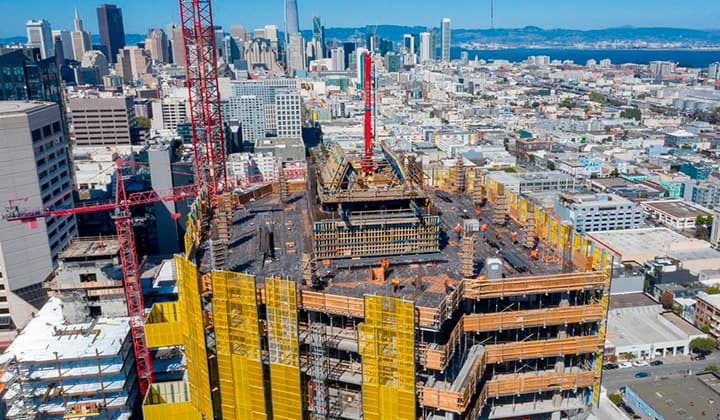
Kalıp tasarım otomasyonu
Our client from
California, USA
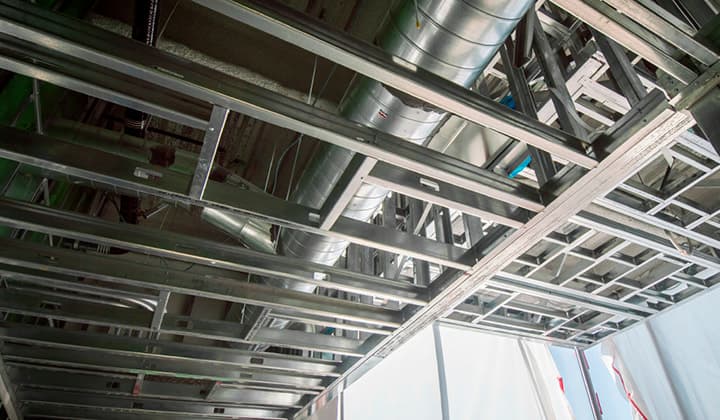
Asma tavan tasarım otomasyonu
Our client from
New York, USA
Duvar çerçeveleme tasarım otomasyonu
Our client from
California, USA