Herhangi bir sorunuz var mı? Bize ulaşın!
Ekibimize katılın!
Ücretsiz fiyat teklifi veya danışmanlık talep edin

Shoring is a temporary structural support system used in construction to stabilize buildings, walls, trenches, or excavations during repair, alteration, or new construction. According to OSHA regulations, proper shoring systems prevent cave-ins and structural collapse, protecting workers and maintaining project integrity. Common types include timber shoring, hydraulic shoring, and sheet pile systems, each suited for specific soil conditions and project requirements.
Construction sites present countless hazards, but few are as deadly as structural collapse or trench cave-ins. That’s where shoring comes in—a critical safety technique that keeps workers alive and projects on track.
Shoring provides temporary support to unstable structures, excavation walls, or existing buildings undergoing renovation. Without it, soil pressure, gravity, and environmental factors can trigger catastrophic failures in seconds.
Understanding shoring methods isn’t just technical knowledge. It’s a safety imperative that separates professional construction operations from dangerous jobsites.
Understanding Shoring in Construction
Shoring comes from “shore,” meaning a timber or metal prop that supports something in danger of collapse. The process involves installing temporary structural supports to prevent movement, settlement, or failure during construction activities.
OSHA defines specific requirements for shoring systems, particularly for trenches and excavations. OSHA requires that all excavations 5 feet (1.5 meters) or deeper be protected by a support system (shoring, shielding, or sloping). For excavations 20 feet (6.1 meters) deep or greater, the protective system must be designed by a registered professional engineer.
The practice serves multiple purposes beyond just safety. Shoring enables contractors to work in confined spaces, repair damaged foundations, support adjacent structures during excavation, and maintain access to structures under construction.
Here’s the thing though—shoring isn’t permanent. Once the construction work completes and the structure achieves stability, workers remove the shoring system. This temporary nature distinguishes it from permanent structural elements.
When Construction Projects Need Shoring
Several scenarios demand shoring systems on construction sites. Excavation work for foundations, utilities, or basements creates open cuts where soil can collapse. The deeper the excavation, the greater the risk.
Building alterations present another common application. When removing load-bearing walls or columns, temporary shoring transfers structural loads until permanent supports are installed.
Foundation repairs require shoring to support the building while workers address settlement, cracking, or deterioration. Without proper support, the entire structure could shift or collapse during intervention.
Trenching for underground utilities represents one of the most dangerous construction activities. Trench collapses represent a serious occupational hazard, making proper shoring literally life-saving.
| Application | Typical Depth Range | Primary Risk | Common Shoring Type
|
|---|---|---|---|
| Utility Trenches | 4-12 feet | Cave-in | Hydraulic or Timber |
| Foundation Excavation | 8-20 feet | Soil collapse | Sheet pile or Soldier pile |
| Building Renovation | Varies | Structural failure | Raking or Flying shore |
| Basement Construction | 10-30 feet | Adjacent structure damage | Secant pile or Diaphragm wall |
Use Powerkh to Improve Construction Documentation

When project information is scattered across drawings, scans, and revisions, it becomes harder for teams to work from the same picture. Powerkh helps organize that through BIM and VDC services including BIM modeling, coordination, scan to BIM, structural detailing, and automation. The result is more usable documentation for construction and fabrication work.
Need Clearer Project Documentation?
Talk with Powerkh to:
- create coordinated BIM models from project data
- identify clashes before they affect the field
- prepare drawings for construction and fabrication use
👉 Contact Powerkh to review your project and BIM needs.
Types of Shoring Systems
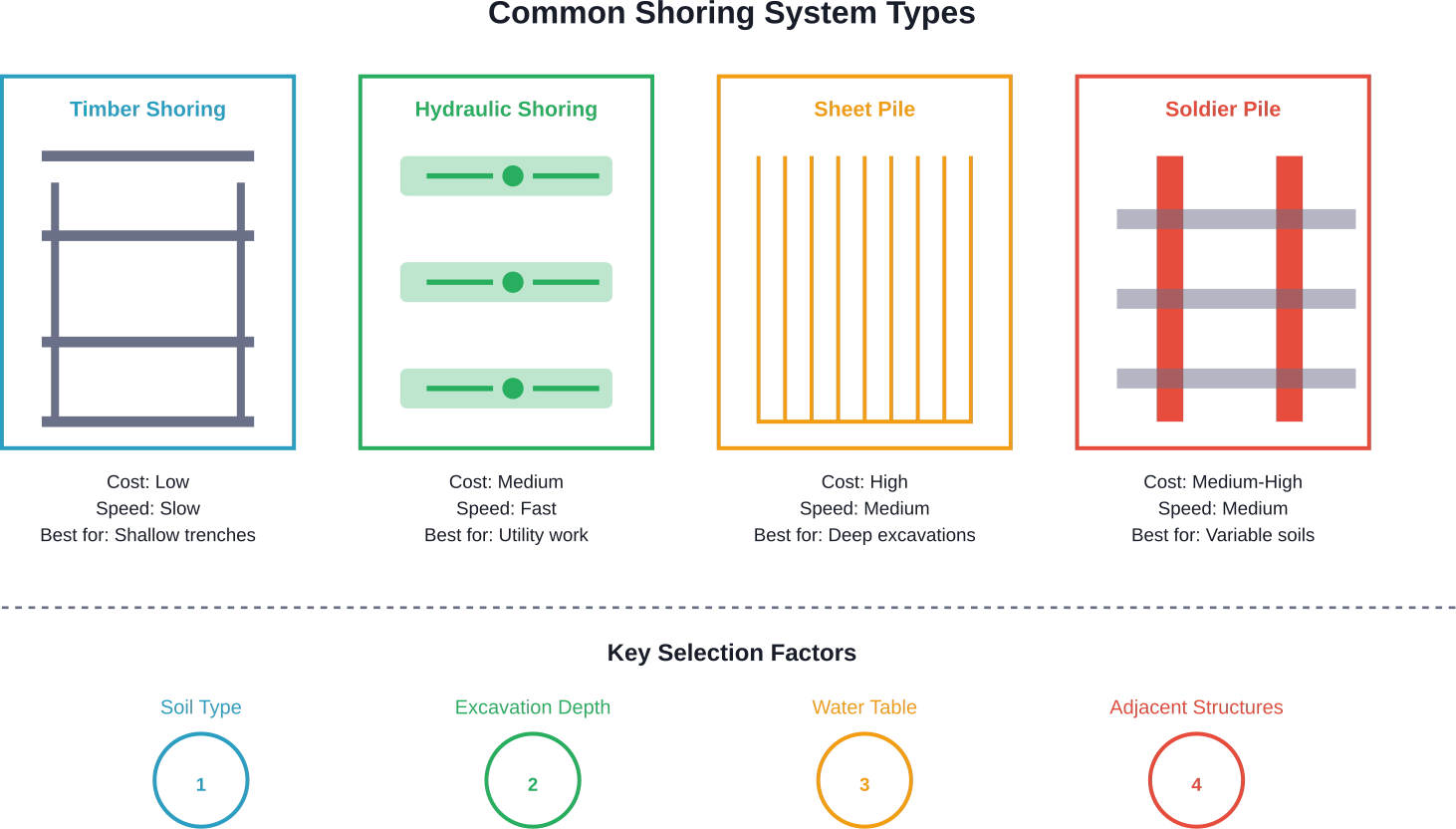
Different construction scenarios require different shoring approaches. The selection depends on soil conditions, excavation depth, adjacent structures, and project duration.
Timber Shoring
The traditional method uses wood planks, posts, and cross braces. OSHA’s Appendix C to Subpart P provides detailed specifications for timber shoring in trenches, including required dimensions based on soil type and depth.
Timber shoring works well for smaller projects and shallower excavations. It’s cost-effective and readily available, but installation is labor-intensive and time-consuming compared to modern alternatives.
Hydraulic Shoring
Aluminum hydraulic shores use pistons that extend to apply pressure against trench walls. OSHA’s Appendix D specifically addresses aluminum hydraulic shoring systems for trenches.
These systems install quickly—often in minutes rather than hours. Workers can adjust them for different widths, and they’re reusable across multiple projects. The speed and safety advantages make hydraulic shoring popular for utility work.
Sheet Pile Shoring
Interlocking steel, vinyl, or timber sheets driven into the ground create a continuous wall. Sheet piling works for deeper excavations and areas with high water tables.
The sheets can remain watertight, preventing groundwater infiltration. Contractors often use sheet piling for waterfront construction, bridge abutments, and basement excavations in urban areas.
Soldier Pile and Lagging
This method combines vertical steel H-beams (soldier piles) driven at intervals with horizontal timber planks (lagging) placed between them as excavation progresses. It’s flexible and works well in varied soil conditions.
Soldier pile systems handle greater depths than basic timber shoring and adapt to irregular excavation profiles. They’re commonly seen in foundation work for commercial buildings.
Raking and Flying Shores
Raking shores are angled supports that prop against a structure from the ground. Flying shores span horizontally between two structures, preventing them from moving apart or together.
These methods support existing buildings during adjacent excavation or when removing internal walls. They’re essential for renovation work in densely built urban environments.
OSHA Safety Requirements for Shoring
OSHA’s regulations under 1926 Subpart P establish mandatory standards for excavation protection. Competent persons must determine soil classification and select appropriate protective systems.
The regulations classify soil into four types—Stable Rock, Type A, Type B, and Type C—with Type C being the least stable. Shoring design requirements become more stringent as soil stability decreases.
According to OSHA’s technical manual, penetrometers have error rates in the range of ± 20-40%. This margin reinforces why conservative design approaches and competent person oversight are mandatory.
Workers can’t enter excavations deeper than 5 feet without protective systems unless the excavation is made entirely in stable rock. For excavations deeper than 20 feet, shoring systems must be designed by a registered professional engineer.
Daily inspections are required before worker entry and after events that could affect stability—rainstorms, vibrations, or any indication of potential cave-in.
Shoring Installation Process
Proper installation follows a systematic approach. First, the competent person evaluates soil conditions, nearby structures, utilities, and water table depth.
Next comes selecting the appropriate shoring type based on soil classification, excavation depth, and site constraints. Design specifications determine spacing, member sizes, and installation sequence.
Installation typically proceeds from top to bottom as excavation deepens. For trench work, shoring is installed in sections as digging advances. Workers must never excavate below the bottom of the shoring support.
Removal happens in reverse order—bottom to top—as backfilling progresses. Premature removal creates the same collapse risks that shoring prevents in the first place.
Shoring vs. Shielding: Critical Differences
Many people confuse shoring with trench shields (also called trench boxes). But they work differently.
Shoring actively supports the excavation walls, preventing soil movement. Shielding doesn’t prevent cave-ins—it protects workers inside a protective structure if collapse occurs.
Trench shields are typically faster to install and reposition, making them popular for linear utility work. However, they don’t protect workers outside the shield or prevent settlement of adjacent structures.
Some projects use both systems together, with shields providing worker protection while shoring prevents ground movement that could damage nearby buildings or utilities.
Common Shoring Challenges and Solutions
Groundwater presents ongoing difficulties. Water reduces soil strength and increases pressure on shoring systems. Dewatering systems or specialized waterproof sheet piling address this issue.
Adjacent structures complicate design. Shoring must prevent settlement that could crack foundations or walls of nearby buildings. Underpinning combined with shoring often provides the necessary support.
Variable soil conditions require adaptable systems. Soldier pile and lagging works well here because lagging can adjust to changing soil types as excavation proceeds.
Space constraints in urban areas limit equipment access. Hydraulic shoring shines in tight spots where timber installation would be impractical.
Ensuring Construction Safety Through Proper Shoring
Shoring represents more than technical compliance with regulations. It’s the difference between workers going home safely and preventable tragedies.
Understanding when projects need shoring, which systems suit specific conditions, and how OSHA requirements apply keeps construction sites safe. The investment in proper shoring systems pays dividends through worker protection, project efficiency, and regulatory compliance.
Every excavation deeper than 5 feet demands evaluation by a competent person. Don’t assume soil will hold or that shallow depths eliminate risk. Cave-ins happen in seconds, leaving no time for reaction.
Work with experienced shoring contractors and equipment suppliers who understand local soil conditions and regulatory requirements. Proper shoring isn’t an expense—it’s essential infrastructure that makes construction projects possible.
Sıkça Sorulan Sorular
What’s the difference between shoring and scaffolding?
Shoring provides temporary structural support to prevent collapse of buildings, walls, or excavations. Scaffolding creates elevated work platforms for accessing high areas. They serve completely different functions—shoring is about stability and safety from collapse, while scaffolding is about access and working at heights.
How deep can an excavation go without shoring?
OSHA regulations require protective systems for excavations deeper than 5 feet unless entirely in stable rock. Even shallower excavations may need protection if the competent person identifies unstable soil or other hazards. Excavations deeper than 20 feet require professionally engineered shoring systems.
How much does shoring cost?
Costs vary significantly based on system type, excavation depth, duration, and site conditions. Timber shoring is generally the least expensive but most labor-intensive. Hydraulic shoring systems rent for daily or weekly rates. Sheet piling and soldier pile systems involve higher material and installation costs but suit deeper excavations. Contact shoring equipment suppliers for current pricing specific to project requirements.
Can shoring be reused on multiple projects?
Yes, hydraulic shoring systems and steel components like sheet piles are designed for repeated use across multiple projects. Timber shoring can be reused if members remain undamaged, though wood degrades faster than metal. Proper inspection before each reuse ensures components meet structural requirements and safety standards.
Who can design shoring systems?
OSHA allows shoring systems designed using tabulated data from Appendices C and D for trenches up to 20 feet deep, provided a competent person oversees installation. Excavations deeper than 20 feet require design by a registered professional engineer. Complex situations involving adjacent structures or unusual soil conditions also typically need engineering expertise regardless of depth.
What happens if shoring fails?
Shoring failure can result in trench collapse, structural failure, worker injuries or fatalities, and project delays. OSHA investigates failures resulting in serious injuries or death. Proper design, installation, inspection, and maintenance prevent the vast majority of failures. Workers should immediately exit excavations if shoring shows signs of distress like cracking, bending, or movement.
How often must shoring be inspected?
OSHA requires daily inspections by a competent person before worker entry and after any occurrence that could affect excavation stability—rainstorms, vibrations, nearby construction, or any indication of possible cave-in. Inspections verify that shoring components remain properly positioned, undamaged, and adequate for current conditions.

Vaka Çalışmalarımız
Ticari, endüstriyel ve konut sektörleri için 200'den fazla BIM ve VDC projesi gerçekleştirdik.
Çalışmalarımız şunları içermektedir:
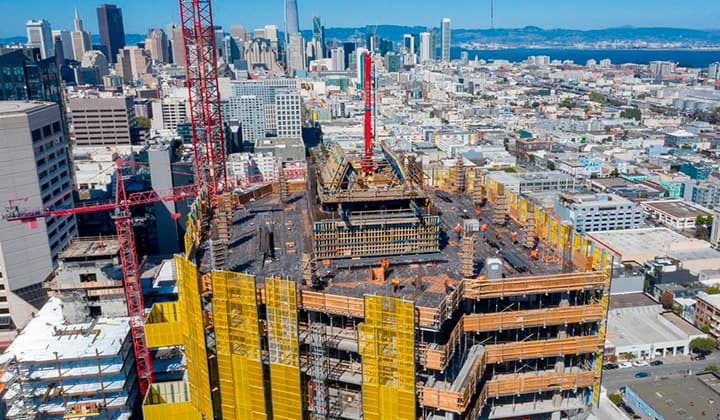
Kalıp tasarım otomasyonu
Our client from
California, USA
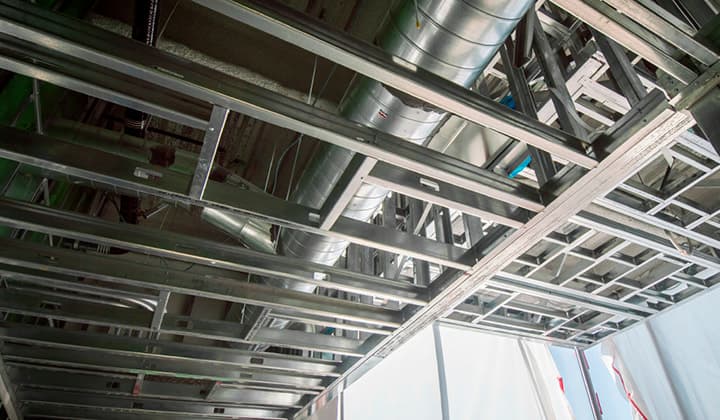
Asma tavan tasarım otomasyonu
Our client from
New York, USA
Duvar çerçeveleme tasarım otomasyonu
Our client from
California, USA