Vous avez des questions ? Contactez nous !
Rejoignez notre équipe !
Demander un devis ou une consultation gratuite

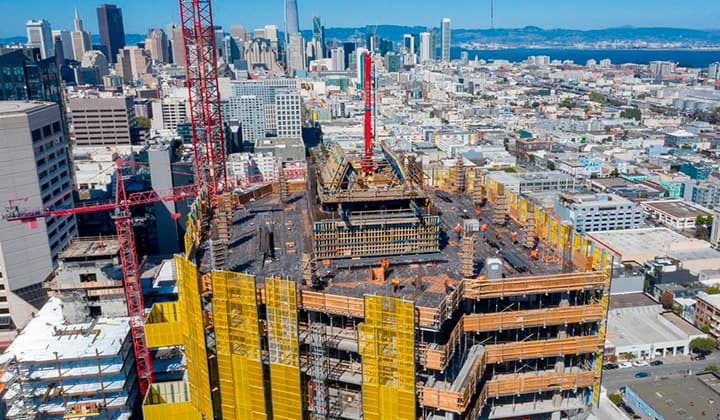
Commercial construction involves the planning, design, and building of structures intended for business and commercial purposes, such as office buildings, retail stores, restaurants, hotels, and warehouses. It differs from residential construction in scale, complexity, budget, and regulatory requirements, typically involving larger teams, stricter building codes, and more stakeholders. The process encompasses multiple phases including pre-construction planning, design, procurement, construction, and project closeout.
Walk through any downtown district and the structures surrounding you—office towers, shopping centers, hotels, restaurants—all represent commercial construction projects. But what exactly defines this industry sector, and how does it differ from other construction types?
Commercial construction shapes the business infrastructure of communities. It’s a complex, highly regulated field that involves significantly more stakeholders, larger budgets, and stricter requirements than most people realize.
This guide breaks down everything about commercial construction, from defining characteristics to project types and the phases that bring these structures to life.
What Defines Commercial Construction?
Commercial construction refers to the process of planning, designing, and building structures intended for business, commercial, or public purposes rather than private residential use. These projects create spaces where commerce happens, services are delivered, or public functions occur.
According to OSHA standards, construction encompasses a wide range of activities involving construction, alteration, and/or repair, including painting and decorating. The scope includes everything from ground-up building to renovation and expansion of existing commercial properties.
The defining characteristic? Purpose. Commercial structures generate revenue or serve public functions. An office building houses businesses. A retail center facilitates sales. A hospital delivers healthcare services.
Scale matters too. Commercial projects typically involve larger budgets, more complex designs, and longer timelines than residential work. They require specialized knowledge of commercial building codes, accessibility standards, fire safety regulations, and zoning requirements that don’t apply to single-family homes.
Common Types of Commercial Construction Projects
Commercial construction spans numerous building categories. Here are the most common project types:
Office Buildings
Office structures range from small professional buildings to massive corporate campuses and high-rise towers. These projects require careful attention to HVAC systems, electrical infrastructure for technology needs, and layouts that accommodate modern workplace configurations.
Retail and Shopping Centers
Retail construction includes standalone stores, strip malls, and large shopping complexes. These projects demand robust structural design for high foot traffic, prominent storefront visibility, and specialized systems for inventory management and customer experience.
Restaurants and Hospitality
Restaurant construction involves specialized commercial kitchen equipment, ventilation systems, and dining space design. Hotels add complexity with guest rooms, common areas, and hospitality-specific systems for security and guest services.
Warehouses and Distribution Centers
Industrial-commercial hybrid projects focus on storage and logistics. These structures prioritize high ceilings, loading dock access, floor load capacity, and efficient material flow rather than aesthetic considerations.
Établissements de santé
Medical buildings, clinics, and hospitals represent some of the most complex commercial construction projects. They require specialized HVAC for infection control, medical gas systems, emergency power, and compliance with extensive healthcare regulations.
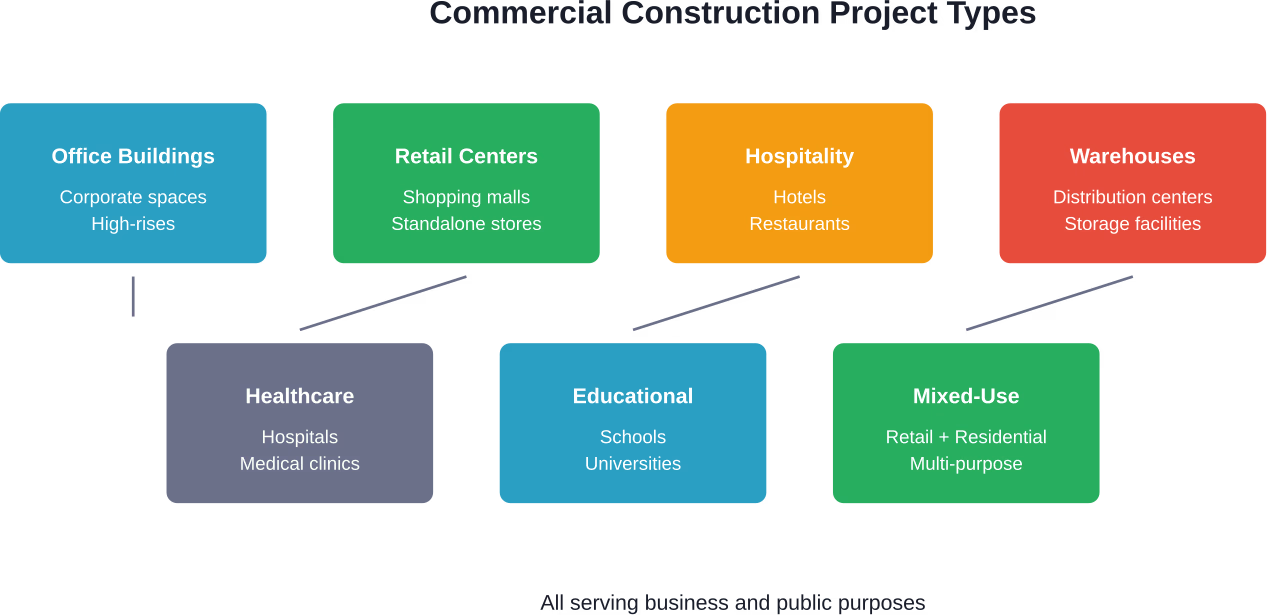
Educational Facilities
Schools, universities, and training centers fall under commercial construction. These projects balance durability for heavy use, safety considerations, specialized spaces like labs or workshops, and compliance with educational facility codes.
Mixed-Use Developments
Increasingly popular, mixed-use projects combine multiple functions—retail on ground floors with offices or residential units above. These complex projects require coordinating different building codes and systems within a single structure.
Commercial vs. Residential vs. Industrial Construction
Understanding the distinctions between construction categories clarifies what makes commercial work unique.
| Aspect | Commercial Construction | Construction résidentielle | Construction industrielle |
|---|---|---|---|
| Objectif principal | Business and public use | Private living spaces | Manufacturing and production |
| Typical Budget | Large, multi-million dollar | Smaller, standardized | Very large, specialized |
| Building Codes | Stricter commercial codes | Residential codes | Heavy industrial codes |
| Stakeholders | Multiple parties, investors | Fewer decision-makers | Industrial specialists |
| Chronologie | Longer, phased approach | Shorter, more predictable | Longest, highly complex |
| Materials | Steel, concrete, commercial-grade | Wood framing, standard materials | Heavy-duty, specialized |
Commercial projects sit between residential and industrial work in complexity. They’re more involved than home construction but less specialized than facilities designed for heavy manufacturing or processing.
The regulatory environment differs significantly too. According to OSHA standards for construction, commercial projects must comply with extensive safety regulations, accessibility requirements under the Americans with Disabilities Act, and commercial building codes that exceed residential standards.
The Commercial Construction Process: Phases Explained
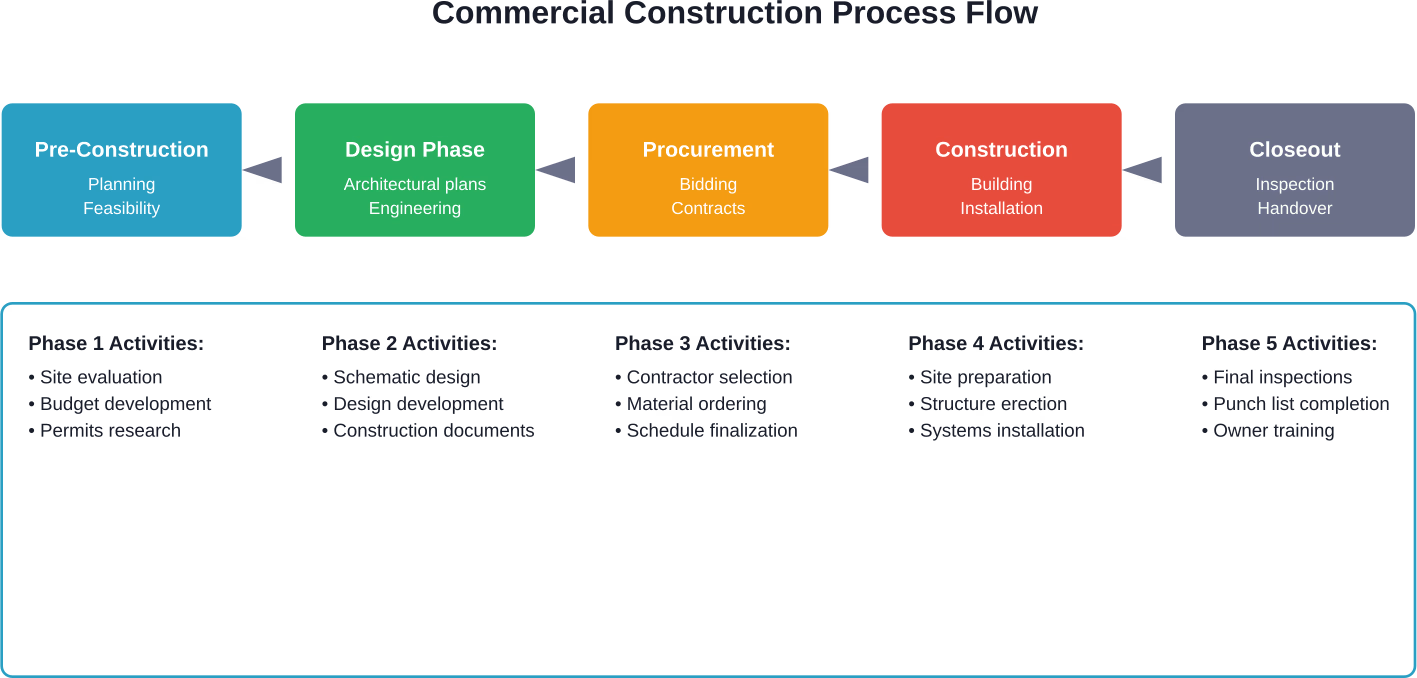
Commercial construction follows a structured progression through distinct phases. Each stage builds on the previous one.
Planification de la pré-construction
Before breaking ground, extensive planning occurs. This phase includes site evaluation, feasibility studies, preliminary budgeting, and securing financing. Project owners work with architects and construction managers to define requirements, establish timelines, and assess site conditions.
Permitting begins during this phase. Commercial projects require numerous approvals—zoning clearances, building permits, environmental reviews, and utility connections. This process can take months depending on project complexity and local regulations.
Design and Engineering
The design phase progresses through several stages. Schematic design establishes the basic concept and project program. Design development refines details. Construction documents provide specifications for building, though the level of detail may vary depending on the owner’s preference.
Engineers develop structural, mechanical, electrical, and plumbing systems during this phase. These technical drawings ensure the building functions properly and meets code requirements. The level of detail in construction documents determines contractor bids and construction quality.
Procurement and Contracting
With completed designs, the procurement phase begins. General contractors and subcontractors submit bids. Project owners evaluate proposals based on cost, timeline, experience, and qualifications.
Contract negotiations establish payment terms, change order procedures, and responsibilities. Many commercial projects use design-build or construction management delivery methods rather than traditional design-bid-build approaches.
Construction Phase
Actual building begins with site preparation—clearing, grading, and establishing utilities. Foundation work follows, then structural framing, building envelope installation, and interior buildout.
This phase involves coordinating numerous trades—concrete workers, steel erectors, electricians, plumbers, HVAC technicians, and finish carpenters. The general contractor manages this complex choreography, ensuring work proceeds in proper sequence and on schedule.
Regular inspections occur throughout construction. Building officials verify code compliance at key milestones like foundation, framing, electrical rough-in, and mechanical systems.
Project Closeout
As construction nears completion, closeout activities begin. Final inspections confirm everything meets code. The project team creates punch lists identifying minor items needing correction.
Contractors provide warranties, operating manuals, and maintenance information. Training sessions familiarize building staff with systems operation. After final approvals and payments, the building transfers to the owner.
Build Commercial Projects Without Losing Control Midway

Commercial construction is usually defined by scale – offices, retail, mixed-use spaces – but what actually makes these projects difficult is how many decisions have to hold together from start to finish.
Powerkh focuses on that continuity. They work with project teams to keep design intent consistent as it moves through coordination and into construction, so the project doesn’t slowly drift away from what was originally planned. This includes reviewing how systems fit together, how changes affect the overall layout, and how the model reflects what is really being built.
That way, the project stays predictable, not just documented. Reach out to Powerkh to go through your commercial project and keep it aligned from early design to what is delivered on site.
Who's Involved in Commercial Construction Projects?
Commercial construction requires a large, specialized team. Here are the key players:
- Project Owner: The entity funding and ultimately controlling the project. Could be a business, developer, government agency, or institution.
- Architect: Designs the building, prepares construction documents, and provides construction administration services. Licensed professionals who ensure designs meet codes and owner requirements.
- General Contractor: Manages day-to-day construction operations, coordinates subcontractors, and ensures quality and schedule compliance. The primary builder responsible for project delivery.
- Subcontractors: Specialized trade contractors handling specific work—electrical, plumbing, HVAC, concrete, steel, roofing. They work under the general contractor but bring expert knowledge of their trades.
- Ingénieurs : Structural, mechanical, electrical, and civil engineers design building systems. They ensure structural integrity, efficient mechanical systems, and proper site development.
- Construction Manager: Often hired by the owner to oversee the entire project, manage budgets, coordinate teams, and protect owner interests. Acts as the owner’s representative.
- Building Officials: Government inspectors who review plans and inspect construction to verify code compliance. Their approvals are required before buildings can be occupied.
Scale and Complexity: What Makes Commercial Construction Challenging
Several factors make commercial construction more complex than residential work.
Budget scale tops the list. Commercial projects often involve multi-million dollar investments requiring sophisticated financial management and cost control. Budget overruns create significant financial consequences.
Stakeholder coordination presents ongoing challenges. Multiple parties—owners, investors, architects, contractors, engineers, tenants, and regulatory agencies—must align on decisions. Communication breakdowns delay projects.
Code compliance demands constant attention. Commercial buildings must meet stricter standards for fire safety, accessibility, structural requirements, and energy efficiency. OSHA standards and regulations govern construction site safety. Construction is a high hazard industry that comprises a wide range of activities involving construction, alteration, and/or repair, with workers exposed to serious hazards such as falling from rooftops, unguarded machinery, being struck by heavy construction equipment, electrocutions, silica dust, and asbestos.
Timeline pressures intensify as project size grows. Delays cost money in financing charges, missed occupancy dates, and contractor overhead. Weather, material shortages, labor availability, and unforeseen site conditions all threaten schedules.
But here’s the thing—experienced commercial construction teams manage these complexities through proven project management systems, clear communication protocols, and proactive problem-solving.
Why Commercial Construction Continues Evolving
The commercial construction industry doesn’t stand still. Several trends reshape how projects are delivered.
Sustainability requirements increasingly influence design and construction. Green building certifications like LEED drive material selection, energy systems, and construction practices. Many jurisdictions mandate energy efficiency standards for commercial buildings.
Technology adoption accelerates across the industry. Building Information Modeling (BIM) enables 3D project visualization and coordination. Drones survey sites and monitor progress. Project management software streamlines communication and documentation.
Prefabrication and modular construction gain traction. Off-site manufacturing of building components reduces on-site labor, improves quality control, and shortens schedules. This approach works particularly well for hotels, apartments, and standardized spaces.
Labor challenges persist. According to recent industry data from the Associated General Contractors of America, 92% of contractors are struggling to fill open positions, including project management roles. This shortage drives innovation in construction methods and increased focus on productivity and efficiency.
Building the Spaces Where Business Happens
Commercial construction creates the physical infrastructure supporting economic activity and community services. From office buildings to hospitals, these projects require specialized knowledge, careful coordination, and commitment to quality.
Understanding what commercial construction entails—its phases, players, and complexities—helps anyone involved in the process make better decisions. Whether you’re a business owner planning a new facility, an investor evaluating construction projects, or someone considering a career in commercial construction, this knowledge provides essential context.
The industry continues evolving with new technologies, materials, and methods. But the fundamentals remain constant: thorough planning, quality design, skilled execution, and effective collaboration produce successful commercial construction projects.
Ready to move forward with a commercial construction project? Start with clear goals, assemble an experienced team, and commit to the structured process that turns concepts into completed buildings serving businesses and communities for decades.
Frequently Asked Questions About Commercial Construction
How long does a typical commercial construction project take?
Timelines vary based on size and complexity. Smaller projects may take several months, while larger commercial developments can take multiple years from planning to completion.
What’s the difference between a general contractor and a construction manager?
A general contractor is responsible for executing construction work, often hiring subcontractors. A construction manager oversees the project on behalf of the owner, coordinating planning and execution without directly performing the work.
Why do commercial construction projects cost more than residential?
Commercial projects involve greater scale, stricter regulations, more complex systems, and materials designed for heavy use. Additional permitting and compliance requirements also increase costs.
Can existing commercial buildings be renovated instead of building new?
Yes. Renovation and adaptive reuse are common approaches that allow buildings to be updated or repurposed. These projects can be more cost-effective but may involve working with outdated systems or occupied spaces.
What permits are required for commercial construction?
Most projects require building, electrical, plumbing, and mechanical permits. Additional approvals may be needed depending on zoning, environmental factors, or project scope.
How do weather delays affect commercial construction schedules?
Weather can delay key activities such as concrete work, roofing, and site preparation. Contractors typically plan for these disruptions and adjust schedules based on seasonal conditions.
What role does safety play in commercial construction?
Safety is a core part of commercial construction. Projects must follow strict standards, provide training, conduct inspections, and manage hazards to prevent injuries and ensure compliance.

Nos études de cas
Nous avons géré plus de 200 projets BIM et VDC pour les secteurs commerciaux, industriels et résidentiels.
Notre travail comprend
Automatisation de la conception des coffrages
Our client from
California, USA
Automatisation de la conception des plafonds suspendus
Our client from
New York, USA
Automatisation de la conception de l'ossature des murs
Our client from
California, USA