Vous avez des questions ? Contactez nous !
Rejoignez notre équipe !
Demander un devis ou une consultation gratuite

A construction superintendent is the on-site leader responsible for managing daily construction operations, coordinating subcontractors, enforcing safety protocols, and ensuring project quality and schedule adherence. According to the Bureau of Labor Statistics, construction managers (which includes superintendents) earn a median annual wage of $106,980 as of 2024. Superintendents serve as the critical link between project managers and field crews, overseeing everything from material deliveries to quality control inspections.
Walk onto any major construction site, and the person directing traffic, solving problems, and keeping dozens of moving parts synchronized is likely the construction superintendent. This role sits at the heart of every successful build, bridging the gap between blueprints and reality.
But what exactly does a construction superintendent do? And how does this position differ from other construction management roles?
This guide breaks down the superintendent’s responsibilities, required skills, salary expectations, and the career path that leads to this pivotal position. Whether building commercial towers or residential developments, superintendents make projects happen on time and within budget.
The Core Role of a Construction Superintendent
A construction superintendent manages the day-to-day operations at a construction jobsite. While project managers handle budgets, contracts, and client relationships from the office, superintendents live on the ground—literally.
The superintendent coordinates all field activities. This includes scheduling subcontractors, managing material deliveries, enforcing safety protocols, and ensuring work meets quality standards. When general contractors oversee multiple projects simultaneously, they depend on superintendents to serve as their eyes and ears at individual sites.
According to research from the Construction Industry Institute, projects led by experienced superintendents complete 13% faster and experience 21% fewer rework incidents compared to those managed by less-experienced individuals. That statistic underscores why this role carries such weight.
The position requires constant problem-solving. Weather delays, material shortages, coordination conflicts between trades—superintendents tackle these challenges in real time. A project manager might adjust the overall schedule, but the superintendent figures out how to keep crews productive when the steel delivery runs three days late.
Key Responsibilities of Construction Superintendents
The superintendent’s workday spans a broad range of duties. Here’s what fills their schedule:
Daily Site Operations Management
Superintendents run morning coordination meetings with foremen and subcontractors. They review the day’s planned activities, address any conflicts, and confirm that crews have the materials and information needed to proceed.
Throughout the day, they conduct site walks to monitor progress, identify potential issues before they escalate, and verify that work aligns with project specifications. Real talk: they’re constantly putting out small fires so those fires don’t become big ones.
Subcontractor Coordination
Construction projects involve multiple specialized trades—electricians, plumbers, HVAC technicians, concrete crews, and more. Superintendents orchestrate this complex dance, ensuring trades don’t interfere with each other and that work sequences properly.
When the electrical rough-in needs to happen before drywall installation, the superintendent makes sure those crews show up in the right order. They also manage submittals, answer requests for information (RFIs), and make real-time adjustments when plans change.
Quality Control and Inspections
Superintendents enforce quality standards throughout construction. They conduct regular inspections, identify deficiencies, and require corrections before work proceeds to the next phase.
This quality oversight prevents costly rework. When foundation forms aren’t quite level or framing doesn’t match specifications, superintendents catch these issues early—not after subsequent trades have already built on top of flawed work.
Safety Enforcement
Site safety falls squarely on the superintendent’s shoulders. According to OSHA regulations, those who exercise supervisory functions must furnish employees with a workplace free from recognized hazards that could cause death or serious physical harm.
Superintendents conduct safety walks, hold toolbox talks, ensure proper personal protective equipment usage, and stop work when unsafe conditions arise. They also maintain safety documentation and coordinate with safety managers on larger projects.
Schedule Management
While project managers develop the master schedule, superintendents manage the short-term lookahead schedule. They track daily and weekly progress, identify potential delays, and adjust field activities to keep the project on track.
Modern superintendents use scheduling tools like Procore, Primavera P6, and Autodesk Construction Cloud to forecast upcoming activities and prevent bottlenecks before they impact the critical path.
Essential Skills for Construction Superintendents
Success as a superintendent demands a specific skill set that blends technical knowledge with people management.
Technical Construction Knowledge
Superintendents need a deep understanding of construction methods, materials, and building codes. They must read and interpret blueprints, understand structural systems, and recognize when work deviates from specifications.
Many superintendents rise through the trades, gaining hands-on experience as carpenters, electricians, or other craftspeople before moving into supervision. This background provides the credibility and practical knowledge needed to lead field crews effectively.
Communication and Leadership
Superintendents communicate constantly—with subcontractors, project managers, inspectors, clients, and field crews. Clear communication prevents misunderstandings that lead to costly mistakes.
Leadership matters too. Superintendents motivate crews, resolve conflicts, and maintain morale during challenging phases. The best superintendents earn respect through competence and fairness, not just positional authority.
Problem-Solving and Decision-Making
Construction sites generate problems daily. Material doesn’t arrive. Weather forces schedule changes. Conflicts arise between trades competing for the same workspace.
Superintendents make dozens of decisions daily, often with incomplete information and time pressure. Strong judgment separates effective superintendents from those who struggle in the role.
Organization and Time Management
Managing multiple subcontractors, tracking deliveries, coordinating inspections, maintaining documentation—the organizational demands are intense. Superintendents who can’t stay organized quickly fall behind.
Digital tools help, but organizational skills remain fundamental. The superintendent needs to know where every aspect of the project stands at any moment.
| Skill Category | Key Competencies | Pourquoi c'est important |
|---|---|---|
| Technical Knowledge | Blueprint reading, building codes, construction methods | Ensures work meets specifications and regulatory requirements |
| Communication | Clear verbal/written skills, active listening, conflict resolution | Prevents misunderstandings and keeps all parties aligned |
| Leadership | Team motivation, decision-making, credibility with trades | Drives productivity and maintains positive site culture |
| Organization | Scheduling, documentation, multitasking, priority management | Keeps complex projects on track amid constant changes |
| Technologie | Construction management software, mobile tools, digital documentation | Enables efficient coordination and real-time problem-solving |
Superintendent vs. Project Manager: Understanding the Difference
These two roles work closely together but have distinct responsibilities. Understanding the difference helps clarify the superintendent’s position in the construction hierarchy.
Project managers focus on the big picture. They manage contracts, budgets, client relationships, and overall project strategy. Most of their work happens in an office, dealing with financial reports, change orders, and stakeholder communication.
Superintendents focus on execution. They translate plans into reality, managing the actual construction process. Their office is the jobsite trailer, and they spend most of their day outdoors overseeing work in progress.
Here’s another way to think about it: project managers ask “Are we on budget and does the client approve?” Superintendents ask “Will the concrete pour happen tomorrow and are the forms ready?”
Both roles require construction knowledge, but superintendents need deeper hands-on expertise while project managers need stronger business and financial skills. Many career paths see superintendents eventually transition into project management roles, bringing valuable field experience to the office.
Construction Superintendent Salary and Compensation
According to the Bureau of Labor Statistics, construction managers earned a median annual wage of $106,980 as of 2024. That breaks down to approximately $51.43 per hour.
According to industry data from 2024, construction superintendents earn an average of $95,168 annually or roughly $46 per hour. Of course, these figures vary significantly based on location, experience level, project type, and employer size.
Entry-level superintendents typically earn less while they build experience and prove their capabilities. Senior superintendents managing large commercial or infrastructure projects can earn well above the median, particularly when bonuses tied to project performance are factored in.
Geographic location impacts compensation substantially. Superintendents in major metropolitan areas with high construction activity—New York, San Francisco, Boston—typically command higher salaries than those in smaller markets, though cost of living differences must be considered.
The Bureau of Labor Statistics projects employment of construction managers to grow 9% from 2024 to 2034, faster than the average for all occupations. Strong job growth combined with competitive compensation makes this an attractive career path for those with the right skills and temperament.
How to Become a Construction Superintendent
Several pathways lead to a superintendent role. There’s no single required route, though certain patterns emerge.
The Trades-to-Supervision Path
Many superintendents start as skilled tradespeople—carpenters, electricians, plumbers, or other craftspeople. After gaining extensive hands-on experience and demonstrating leadership potential, they move into foreman roles, then assistant superintendent positions, and eventually become full superintendents.
This path provides deep practical knowledge and credibility with field crews. Workers respect superintendents who’ve done the actual work and understand its challenges firsthand.
The Education-Plus-Experience Path
Some superintendents earn bachelor’s degrees in construction management, civil engineering, or related fields. According to the Bureau of Labor Statistics, large construction firms may prefer candidates who have both construction experience and a bachelor’s degree in a construction-related field.
Graduates typically start as assistant superintendents or project engineers, gaining field experience while applying their educational background. This path can accelerate advancement, particularly at larger firms managing complex projects.
Certifications and Continuing Education
Professional development strengthens superintendent careers. Organizations like the Associated General Contractors of America (AGC) offer programs such as Construction Supervision Fundamentals (CSF) designed for aspiring front-line leaders learning entry-level management skills.
Safety certifications—OSHA 30-hour construction training, First Aid/CPR, and specialty safety credentials—enhance qualifications and demonstrate commitment to jobsite safety.
Tools and Technology for Modern Superintendents
Construction technology has transformed how superintendents manage jobsites. Gone are the days of managing everything with paper plans and clipboards alone.
Construction Management Software
Platforms like Procore, Autodesk Construction Cloud, and similar tools centralize project information. Superintendents use these systems to track RFIs, manage submittals, document daily reports, coordinate schedules, and maintain punch lists.
Mobile access means superintendents can pull up drawings, submit reports, or answer questions from anywhere on the jobsite. Cloud-based collaboration keeps everyone working from the same information.
Scheduling and Planning Tools
Primavera P6 and similar scheduling software help superintendents manage lookahead schedules, identify critical path activities, and forecast resource needs. These tools enable proactive planning rather than reactive problem-solving.
Mobile Documentation
Tablets and smartphones let superintendents photograph work in progress, annotate issues directly on digital plans, and create time-stamped documentation of site conditions. This digital documentation proves invaluable when questions arise later about what was installed when.
Safety Management Systems
Digital safety platforms facilitate incident reporting, safety inspections, toolbox talk documentation, and certification tracking. These systems help superintendents maintain comprehensive safety records and identify trends before they lead to serious incidents.
Challenges Superintendents Face
The role isn’t without its difficulties. Understanding these challenges helps set realistic expectations.
Weather and External Factors
Outdoor construction remains vulnerable to weather delays. Rain stops concrete pours. Extreme heat creates safety concerns. Winter conditions slow multiple trades.
Superintendents can’t control weather, but they must adjust schedules and keep crews productive despite these disruptions. That requires creativity and flexibility.
Supply Chain Disruptions
Material delays create ripple effects throughout project schedules. When steel deliveries run weeks late or specific equipment becomes unavailable, superintendents must resequence work and keep other trades moving.
Recent years have made supply chain management particularly challenging, requiring superintendents to maintain multiple contingency plans.
Managing Multiple Personalities and Priorities
Construction sites bring together diverse crews with different working styles, communication preferences, and priorities. Coordinating these various groups while maintaining site harmony requires diplomatic skills and patience.
Conflicts arise. The superintendent often mediates disputes and finds solutions that keep everyone moving forward.
Long Hours and Physical Demands
Superintendents typically work long hours, often arriving before crews and staying after they leave. The job involves constant walking, climbing, and exposure to weather conditions.
Physical stamina and the ability to maintain focus despite long days are prerequisites for the role.
The Impact of Effective Superintendents
When superintendents excel, everyone benefits. Projects finish on schedule. Quality meets or exceeds expectations. Safety incidents decrease. Subcontractors want to work on future projects.
That 13% faster completion and 21% reduction in rework incidents mentioned earlier translates to real money saved and real value created. For a multimillion-dollar project, those improvements can mean hundreds of thousands of dollars in savings.
Beyond financials, skilled superintendents create positive jobsite cultures. Workers feel supported. Safety becomes ingrained rather than just enforced. Pride in craftsmanship flourishes when superintendents set high standards and provide the resources needed to meet them.
The best superintendents become sought-after assets. General contractors compete to hire them. Project owners request them by name. Their reputations open doors throughout their careers.
Support Site Decisions With A Clearer Technical View

A construction superintendent is responsible for keeping work on track on site, but many of the challenges they deal with come from decisions made earlier in design and coordination. Powerkh helps make those decisions more visible.
By working with coordinated models and checking how they translate into real conditions, they highlight where layouts may not hold, where systems compete for space, and where adjustments will likely be needed before crews run into them. This gives superintendents a more reliable base for planning daily work and avoiding avoidable disruption.
👉 Involve Powerkh early to give your site team a clearer technical picture before issues start showing up in the field.
Réflexions finales
Construction superintendents occupy a unique position where planning meets reality. They transform blueprints into buildings, manage chaos into order, and lead diverse teams toward common goals.
The role demands technical knowledge, leadership skills, organizational abilities, and the stamina to maintain focus through long days and constant challenges. But for those who thrive on variety, problem-solving, and seeing tangible results from their efforts, few careers offer more satisfaction.
With median wages exceeding $95,000 annually and strong projected job growth, the financial rewards match the professional challenges. As construction activity continues across residential, commercial, and infrastructure sectors, skilled superintendents remain in high demand.
Whether entering through the trades or through education, the path to superintendent requires dedication and patience. But those who develop the necessary skills find themselves at the center of an industry that literally builds the future—one project at a time.
Ready to explore a career in construction management? Research construction management programs, seek out entry-level positions with reputable contractors, or talk to superintendents about their career journeys. The construction industry needs skilled leaders who can turn ambitious plans into finished projects that serve communities for decades to come.
Questions fréquemment posées
What’s the difference between a construction superintendent and a construction manager?
Construction superintendents manage day-to-day jobsite operations, while construction managers oversee budgets, contracts, and overall project strategy. Superintendents work mainly in the field, while managers focus more on coordination and planning.
Do you need a college degree to become a construction superintendent?
Not necessarily. Many superintendents advance through hands-on experience in the trades. Some employers may prefer candidates with a degree, but field experience remains the most important factor.
How long does it take to become a construction superintendent?
It typically takes 7-15 years through trade progression or 5-10 years with a construction-related degree combined with field experience.
What are the biggest challenges construction superintendents face?
Common challenges include weather delays, supply chain issues, coordinating subcontractors, maintaining safety, and solving unexpected problems under time pressure.
Can construction superintendents work remotely?
No. The role requires on-site presence to manage daily operations, coordinate teams, and address issues in real time.
What software do construction superintendents need to know?
They commonly use tools like Procore, Autodesk Construction Cloud, scheduling software, and mobile apps for communication and documentation.
What’s the career path after becoming a superintendent?
Many advance to senior superintendent roles, move into project management, become operations managers, or start their own construction businesses.

Nos études de cas
Nous avons géré plus de 200 projets BIM et VDC pour les secteurs commerciaux, industriels et résidentiels.
Notre travail comprend
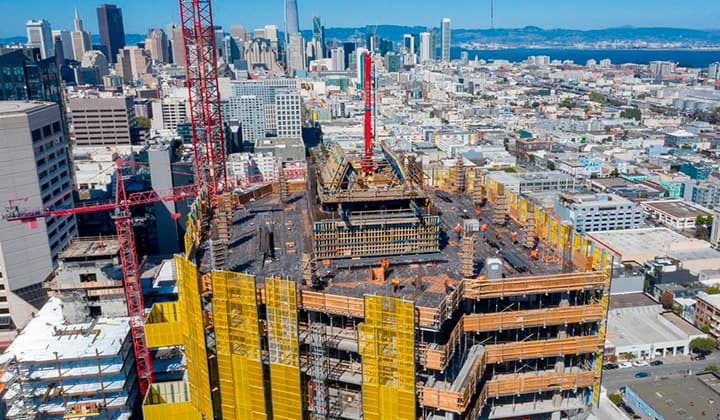
Automatisation de la conception des coffrages
Our client from
California, USA
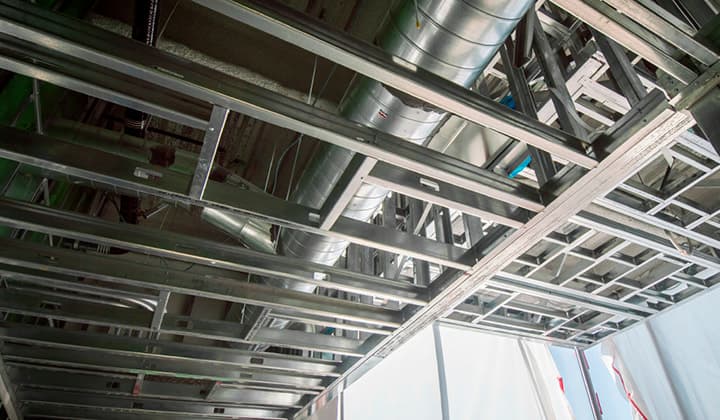
Automatisation de la conception des plafonds suspendus
Our client from
New York, USA
Automatisation de la conception de l'ossature des murs
Our client from
California, USA