Haben Sie noch Fragen? Kontaktieren Sie uns!
Kommen Sie in unser Team!
Kostenloses Angebot oder Beratung anfordern

Civil construction is the branch of engineering focused on designing, building, and maintaining infrastructure that involves water, earth, or transport systems. According to the American Society of Civil Engineers (ASCE), civil engineers design and build the foundation of modern society including roads, bridges, water systems, and public facilities. The construction industry comprises activities involving construction, alteration, and repair of both natural and physically built environments.
Look around when stepping outside. The roads beneath vehicles, the bridges spanning rivers, the water flowing from taps—all represent civil construction work.
This field shapes how communities function and grow. But what exactly does it involve?
Understanding Civil Construction
Civil construction represents the creation of infrastructure involving water, earth, or transport systems. It’s a specialized branch of civil engineering focused on maintenance, design, and construction of both natural and physically built environments.
According to ASCE, civil engineers design, build, and maintain the foundation for modern society. This includes buildings, roads and bridges, drinking water and energy systems, seaports and airports, and infrastructure for cleaner environments.
The Occupational Safety and Health Administration (OSHA) classifies construction as a high-hazard industry that comprises a wide range of activities. These activities include construction, alteration, and repair work.
The Scope of Civil Construction Work
Civil construction encompasses several distinct project types. Each serves essential functions for communities and economic development.
Infrastructure projects form the core of civil construction. Roads, highways, railways, and bridges connect communities and enable commerce. Water infrastructure manages supply, treatment, and distribution systems that serve populations.
Environmental projects address sustainable development needs. According to ASCE’s Policy Statement 418, civil engineers have a leading role in planning, designing, building, and ensuring a sustainable future by providing the bridge between science and society.
Civil Construction vs Commercial Construction
Many people confuse civil and commercial construction. These fields differ significantly in scope and purpose.
Commercial construction focuses on private buildings for business use. Think retail stores, office buildings, hotels, and restaurants. These projects serve private entities and generate revenue for property owners.
Civil construction creates public infrastructure that serves entire communities. According to Michigan Technological University, civil engineers are crucial to the construction, function, and safety of natural and built environments.
| Aspect | Civil Construction | Commercial Construction |
|---|---|---|
| Primary Focus | Public infrastructure | Private business facilities |
| Funding Source | Government/public funds | Private investment |
| Project Examples | Highways, dams, water systems | Offices, retail stores, hotels |
| Beneficiaries | General public | Business owners/operators |
| Regulatory Oversight | OSHA, federal/state regulations | Building codes, zoning laws |
The distinction matters when planning projects. Civil construction requires different expertise, permits, and oversight compared to commercial work.
Types of Civil Construction Projects
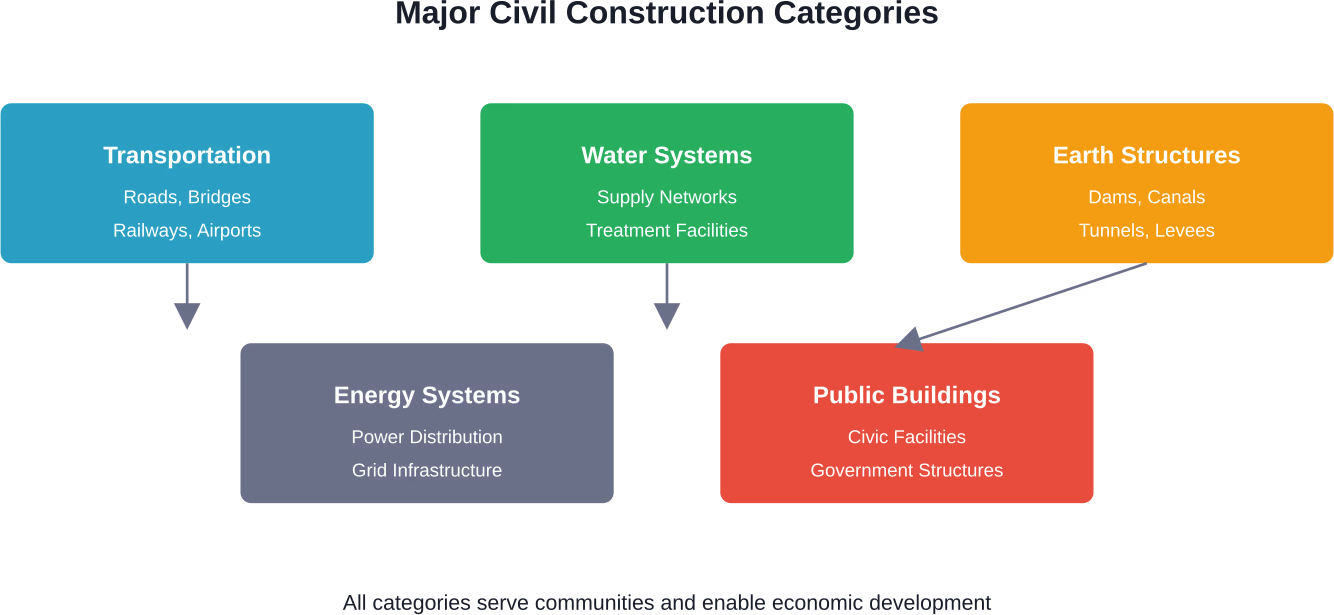
Several project categories fall under civil construction. Each addresses specific infrastructure needs.
Transportation Infrastructure
Roads and highways represent the most visible civil construction projects. These networks enable movement of goods and people across regions.
Bridges span natural obstacles and connect transportation routes. Railways provide mass transit options for passengers and freight. Airports serve as critical hubs for air travel and cargo operations.
Water and Wastewater Systems
Water infrastructure ensures communities have access to clean drinking water. Treatment plants purify water from natural sources. Distribution networks deliver water to homes and businesses.
Wastewater systems collect and treat sewage. These facilities protect public health and prevent environmental contamination.
Earth and Land Structures
Dams control water flow for flood prevention and power generation. Canals modify natural waterways for irrigation or navigation purposes.
Tunnels provide passage through mountains or under bodies of water. Levees protect low-lying areas from flooding.
According to Penn State Engineering, civil engineers are trained to solve design, construction, and maintenance concerns of the natural and physically built environment.
The Civil Construction Process
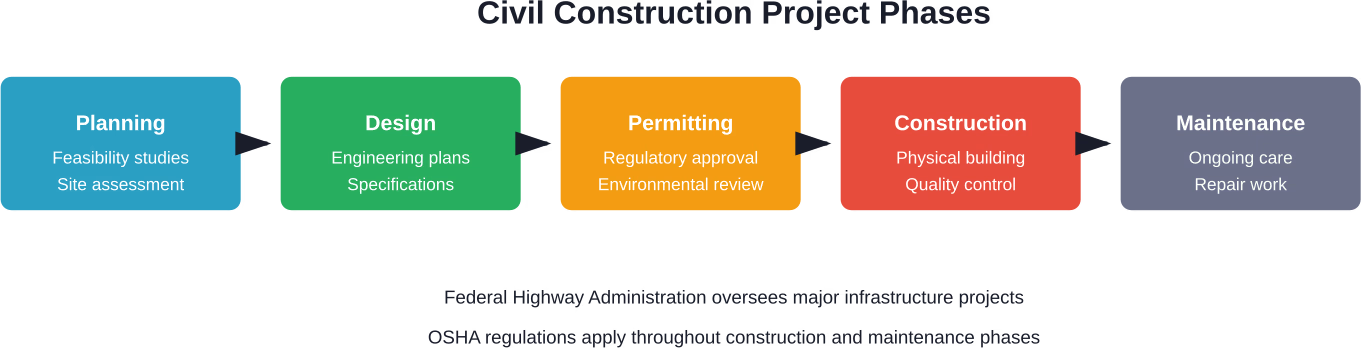
Civil construction projects follow structured phases from conception to completion.
Planning and Feasibility
Projects begin with planning. Engineers assess site conditions, evaluate environmental impact, and determine project viability.
The Federal Highway Administration (FHWA) requires Project Management Plans (PMPs) for Major Projects, which are defined as projects receiving Federal financial assistance with an estimated total cost of $500 million or more (in year-of-expenditure dollars). These plans ensure Federal requirements and public interests are met through sound project administration.
Design and Engineering
Design teams create detailed plans and specifications. Engineers calculate structural requirements, material needs, and construction methods.
According to FHWA guidelines, plans should include title sheets showing project location, scales used, project length, and detail indexes of all sheets in the set.
Construction and Implementation
Construction teams execute the design plans. This phase involves site preparation, foundation work, structural building, and system installation.
OSHA regulations address construction-related requirements throughout this phase. Federal regulations ensure construction quality assurance standards are met.
Inspection and Maintenance
Completed projects undergo inspection to verify compliance with design specifications. Regular maintenance ensures infrastructure remains functional and safe over time.
Bring Control To Civil Projects Before They Scale

Civil construction is usually about scale – infrastructure, terrain, multiple systems spread across large areas. But what makes these projects difficult is not size alone, it is how quickly small inconsistencies grow once construction starts.
Powerkh works on the digital side of that process, using BIM and engineering-led modelling to bring structure into complex projects before they expand on site. They support teams by building accurate models, coordinating systems early, and using data-rich workflows to reduce guesswork across planning and execution. This helps keep large civil projects more predictable, with fewer surprises as work progresses.
👉 Contact Powerkh to go through your civil project early and keep it controlled as it moves from planning into real construction.
The Role of Civil Engineers
Civil engineers drive civil construction projects from concept through completion.
ASCE defines the civil engineering team to include civil engineer professionals, engineering specialists, engineering technicians, and other support roles. According to ASCE Policy Statement 535, adopted by the Board of Direction on July 10, 2025, proper use of the entire civil engineering project team becomes increasingly important.
According to the U.S. Bureau of Labor Statistics (BLS), there were 341,800 civil engineering jobs in the US in 2023. Positions are expected to grow by 6% from 2023 to 2033, with about 22,100 new annual openings projected. Recent updates from the BLS for the 2024–2034 decade actually project a 5% growth rate with 23,600 projected openings each year.
Civil engineers specialize in various technical areas. Transportation engineers focus on roadways and transit systems. Structural engineers design bridges and buildings. Environmental engineers address water quality and waste management.
Safety and Regulatory Compliance
Civil construction operates under strict safety regulations.
OSHA identifies construction as a high-hazard industry. Workers engage in many activities that may expose them to serious hazards such as falling from heights.
Standards prescribed in 29 CFR Part 1926 apply to every employment and place of employment in construction work. These regulations protect worker safety and ensure project quality.
The Contract Work Hours and Safety Standards Act provides the legal foundation for construction safety regulations. Compliance isn’t optional—it’s required by federal law.
Career Opportunities in Civil Construction
The civil construction industry offers diverse career paths.
According to Ohio University, construction engineers influence all aspects of the building process, providing essential leadership to complete projects efficiently and effectively.
Career roles include project managers who oversee entire projects, site engineers who manage daily operations, and estimators who calculate project costs. Surveyors establish precise measurements and boundaries.
LSU’s construction engineering program notes that professionals in this field apply advanced engineering design concepts to develop solutions and solve complex problems. They also lead teams, coordinate activities, and manage resources to ensure project success.
This combination of engineering and management expertise remains in high demand across the industry.
Schlussfolgerung
Civil construction forms the backbone of functional societies. From transportation networks to water systems, this field creates the infrastructure that communities depend on daily.
The work requires specialized expertise, rigorous safety standards, and careful planning. Civil engineers and construction professionals collaborate to transform designs into physical reality.
As infrastructure ages and populations grow, demand for civil construction expertise continues rising. These professionals don’t just build structures—they create the foundation for economic growth and quality of life.
Understanding civil construction helps communities make informed decisions about infrastructure investments. These projects represent long-term commitments that serve generations.
Häufig gestellte Fragen
What’s the difference between civil engineering and civil construction?
Civil engineering focuses on planning, design, and analysis, while civil construction is the execution phase where infrastructure is physically built. Engineering defines what to build; construction brings it to life.
How long do civil construction projects typically take?
Project timelines vary widely depending on scope and complexity. Smaller projects may take weeks, while large infrastructure developments can take several years to complete.
What qualifications do civil construction professionals need?
Civil engineers usually require a bachelor’s degree in engineering, while construction managers often combine formal education with hands-on experience. Some roles also require professional licenses.
Are civil construction projects publicly funded?
Many civil construction projects are funded by government sources at the federal, state, or local level. Some also use public-private partnerships to share costs and responsibilities.
What’s the job outlook for civil construction careers?
Career prospects remain strong, with steady demand for infrastructure development and maintenance. The field continues to offer stable growth and long-term opportunities.
How does civil construction address environmental concerns?
Modern projects incorporate sustainability through efficient design, responsible material use, and environmental planning. The goal is to balance infrastructure development with long-term environmental impact.
What role does technology play in civil construction?
Technology improves accuracy and efficiency through tools like modeling software, GPS-guided equipment, drones, and digital project management systems.

Unsere Fallstudien
Wir haben mehr als 200 BIM- und VDC-Projekte für Gewerbe, Industrie und Wohnungsbau durchgeführt.
Unsere Arbeit umfasst:
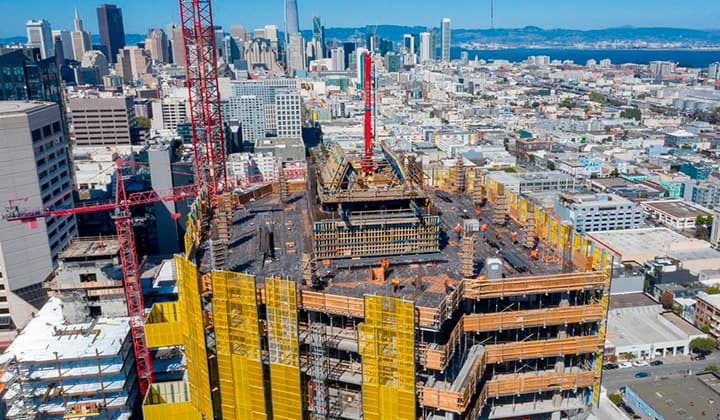
Automatisierung der Schalungsplanung
Our client from
California, USA
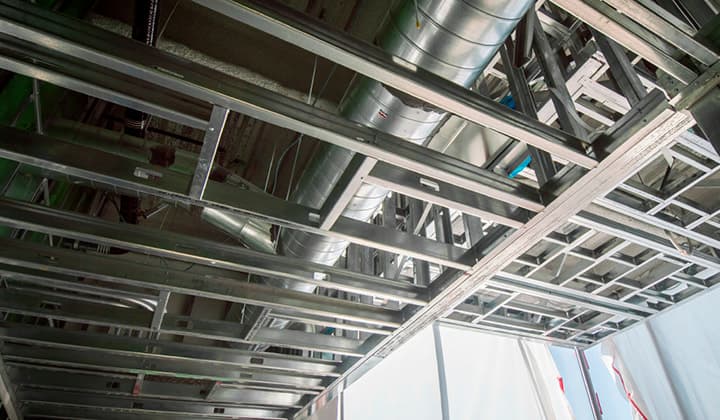
Automatisierung von abgehängten Decken
Our client from
New York, USA
Automatisierung von Wandkonstruktionen
Our client from
California, USA