Haben Sie noch Fragen? Kontaktieren Sie uns!
Kommen Sie in unser Team!
Kostenloses Angebot oder Beratung anfordern

Quick Summary: Mobilization in construction refers to the preparatory phase before actual construction work begins, involving the assembly and organization of resources, equipment, materials, and personnel at the project site. This critical phase includes site setup, securing permits, establishing utilities, and mobilizing the workforce needed to execute the project successfully.
Walk onto any construction site during the first few days, and things might look chaotic. Trucks arriving, equipment being unloaded, workers setting up temporary facilities. But this apparent disorder is actually a carefully orchestrated process called mobilization.
Mobilization sets the foundation for everything that follows. Get it wrong, and projects face delays, budget overruns, and frustrated stakeholders. Get it right, and construction proceeds smoothly from day one.
So what exactly does mobilization involve, and why does it matter so much?
Understanding Mobilization in Construction
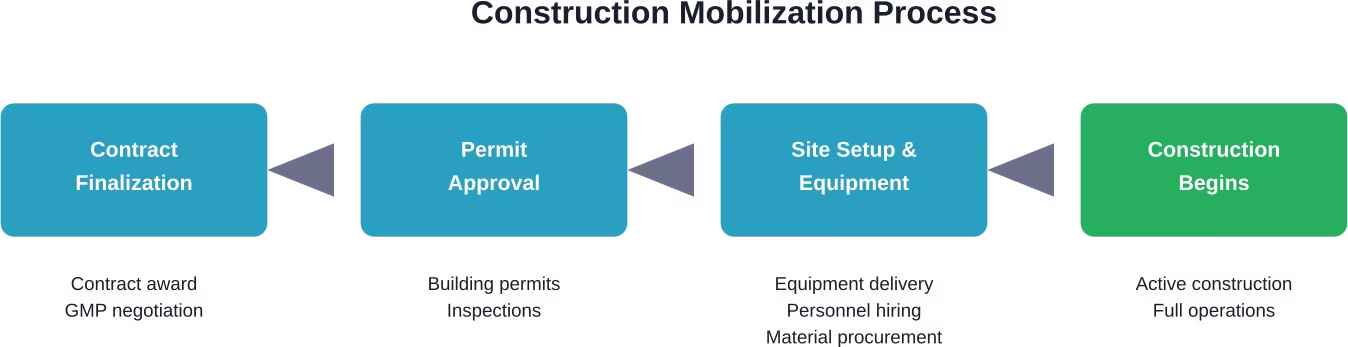
According to the University of Chicago Facilities Services, mobilization is “a short interval between the completion of construction documents and the start of construction.” This phase involves acquiring, assembling, and organizing all resources needed before actual building work begins.
Think of mobilization as the staging period. It’s when contractors move equipment to the site, set up temporary facilities, hire personnel, and complete all preparatory activities required to break ground.
The mobilization phase typically focuses on two primary areas: finalizing the general contract award and contract issuance for small projects (or finalizing the Guaranteed Maximum Price for larger projects), and securing the full building permit for all projects.
What Activities Happen During Mobilization?
Mobilization encompasses several critical activities:
- Transporting equipment and machinery to the construction site
- Setting up temporary facilities like site offices, storage areas, and worker amenities
- Establishing utilities including water, electricity, and communication systems
- Hiring and assembling the necessary workforce
- Procuring initial materials and supplies
- Installing safety equipment and signage
- Conducting site surveys and final preparations
- Coordinating with subcontractors and suppliers
Each construction project requires different mobilization activities based on size, complexity, and location.
Why Mobilization Matters
Mobilization isn’t just administrative busywork. It’s the phase that determines whether a project starts strong or stumbles out of the gate.
Proper mobilization ensures all necessary resources arrive at the right time. Without it, projects experience costly delays waiting for equipment, materials, or personnel. Workers stand idle. Equipment sits unused. Money drains away.
The mobilization phase also establishes safety protocols from day one. According to OSHA, all employers must report work-related fatalities within 8 hours and all work-related inpatient hospitalizations, amputations, and losses of an eye within 24 hours. Setting up proper safety equipment and procedures during mobilization helps prevent these incidents.
Beyond safety and logistics, effective mobilization builds stakeholder confidence. Clients, subcontractors, and project teams all see that the contractor has everything under control before construction begins.
Start Mobilization Without Rework

Mobilization is where assumptions meet reality. Crews arrive, work starts, and anything unresolved shows up immediately – clashes, missing details, areas that simply aren’t ready to build. That’s when early delays and rework begin. Before that moment, Powerkh reviews the design under real site conditions. They focus on what will fail first – critical interfaces, coordination gaps, and areas that haven’t been fully resolved – so issues are exposed before crews are on the ground, not after work has already started.
Mobilize With Confidence
Here’s how Powerkh helps you avoid early-stage losses:
- Confirms which areas are truly ready for installation
- Identifies coordination issues that will block early works
- Flags design gaps that lead to immediate rework
- Checks critical interfaces before crews engage on site
- Reduces downtime during setup and initial activities
If you’re about to mobilize, contact Powerkh and make sure your project starts clean, not with rework.
Understanding Mobilization Costs
Here’s the thing about mobilization: it requires significant upfront investment before any revenue-generating work happens. These mobilization costs can strain cash flow, especially for smaller contractors.
What Are Mobilization Costs?
Mobilization costs include all expenses incurred to prepare for construction work. These typically cover:
- Equipment transportation and delivery fees
- Temporary facility construction and setup
- Initial personnel hiring and training expenses
- Permit and inspection fees
- Insurance and bonding costs
- Site security installation
- Utility connection fees
- Survey and engineering work
The total mobilization cost varies widely depending on project size, location, and complexity. Remote sites with limited access see higher mobilization costs due to transportation challenges.
| Cost Category | Typical Range | Impact Factors |
|---|---|---|
| Equipment Transport | 5-15% of mobilization | Distance, equipment size, road conditions |
| Site Facilities | 20-30% of mobilization | Project duration, workforce size, site conditions |
| Personnel Costs | 25-35% of mobilization | Labor market, project complexity, training needs |
| Permits & Insurance | 10-20% of mobilization | Location, project type, regulatory requirements |
| Utilities & Services | 10-15% of mobilization | Availability, capacity needs, connection distance |
How Mobilization Costs Impact Cash Flow
Mobilization creates a cash flow challenge. Contractors must pay these costs upfront, often weeks or months before receiving the first project payment.
According to Southstar Capital, mobilization funding is often a percentage of the total project or contract amount, with some providers offering funding up to 10% of the total contract value.
The slow payment process in construction makes this worse. Instead of receiving immediate payment for mobilization expenses, contractors often wait 30, 60, or even 90 days for payment.
Managing Mobilization Costs Effectively
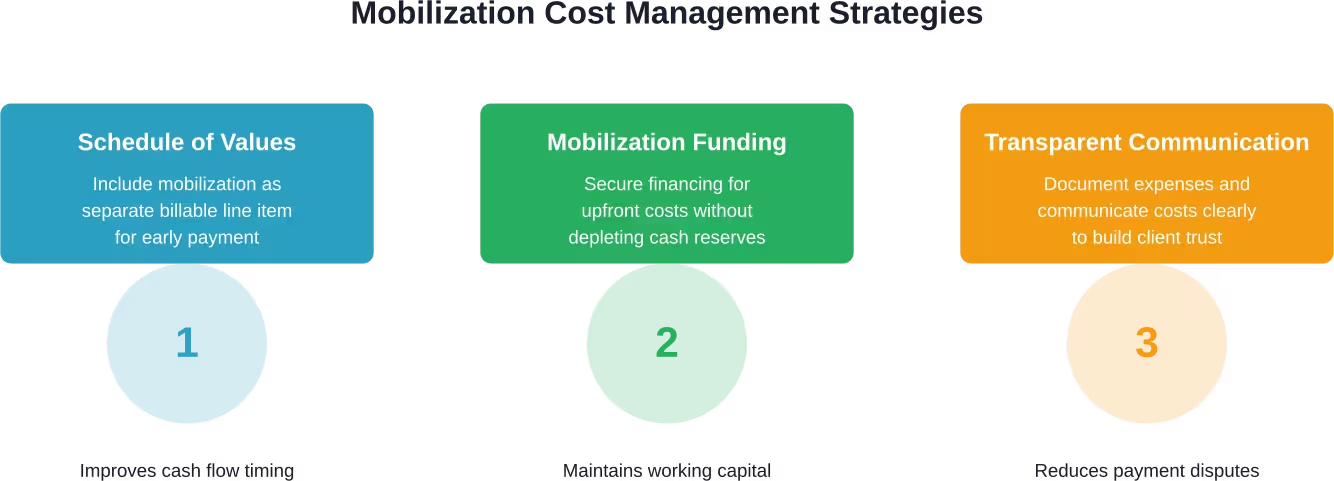
Smart contractors plan ahead rather than scrambling for cash during mobilization. Several strategies help manage these costs:
Include Mobilization in the Schedule of Values
The schedule of values breaks down the contract price into specific work items and phases. By including mobilization as a separate line item, contractors can bill for these costs early in the project.
This approach provides cash flow when it’s needed most—at project start. Just make sure the mobilization line item accurately reflects actual costs.
Consider Mobilization Funding
Mobilization funding provides upfront capital specifically for project startup costs. Once a contract is signed, contractors can apply for funding to cover equipment, materials, manpower, and logistics expenses.
This financing option helps businesses start projects without depleting existing cash reserves or waiting for the first progress payment.
Communicate Costs Transparently
Clear communication about mobilization costs builds trust with clients and helps avoid disputes. When stakeholders understand why these costs exist and what they cover, they’re more likely to approve mobilization payments promptly.
Document all mobilization expenses thoroughly. Keep receipts, invoices, and delivery records organized for easy reference if questions arise.
Demobilization: The Other Side of the Coin
Just as mobilization prepares a site for construction, demobilization involves removing resources when work completes. This includes transporting equipment off-site, dismantling temporary facilities, final site cleanup, and releasing personnel.
Demobilization costs are typically lower than mobilization costs but still require planning and budgeting. Many contracts include both mobilization and demobilization as separate line items in the schedule of values.
Key Takeaways for Construction Projects
Mobilization represents more than just moving equipment and workers to a job site. It’s a strategic phase requiring careful planning, adequate funding, and clear communication.
Projects that rush through mobilization or underfund this phase often face delays, safety issues, and budget problems that plague the entire construction schedule.
On the other hand, contractors who treat mobilization as the critical phase set themselves up for smooth execution, satisfied clients, and profitable projects.
The construction industry continues to recognize mobilization’s importance. Cal. Code Regs. Tit. 2, § 2980.4 specifically requires construction project management expertise to include “construction mobilization and supervision” among other essential competencies.
Whether managing a small renovation or a major capital improvement project exceeding $1 million, effective mobilization planning makes the difference between project success and failure.
Häufig gestellte Fragen
What is the difference between mobilization and construction?
Mobilization is the preparatory phase involving site setup, resource allocation, and logistics before work begins. Construction is the execution phase where actual building activities take place.
How long does the mobilization phase typically last?
It depends on project size and complexity. Small projects may take a few days, while large or remote projects can require weeks or even months.
Who pays for mobilization costs?
The owner ultimately pays for mobilization, either as a separate contract line item or included in the total project cost.
Are mobilization costs negotiable?
Yes. Mobilization costs can be negotiated, but they should realistically reflect actual expenses to avoid financial issues during the project.
What happens if mobilization is delayed?
Delays in mobilization impact the entire project timeline and may lead to increased costs, idle resources, and potential penalties.
Can mobilization costs be reduced?
Yes, through efficient planning, local sourcing, and resource optimization. However, excessive cost-cutting may risk delays and operational issues.
What’s the typical mobilization cost percentage?
Mobilization costs vary depending on project size, location, and complexity. Remote or complex projects typically have higher mobilization percentages.
Schlussfolgerung
Mobilization in construction is the foundation that supports every subsequent project phase. From transporting equipment and setting up facilities to hiring personnel and securing permits, mobilization activities ensure projects start with everything needed for success.
Understanding mobilization costs and managing them effectively separates successful contractors from those who struggle with cash flow and project delays. By planning ahead, including mobilization in the schedule of values, and communicating transparently with stakeholders, construction professionals set their projects up for smooth execution from day one.
Ready to optimize construction project management? Start by giving mobilization the attention it deserves in project planning and budgeting.

Unsere Fallstudien
Wir haben mehr als 200 BIM- und VDC-Projekte für Gewerbe, Industrie und Wohnungsbau durchgeführt.
Unsere Arbeit umfasst:
Automatisierung der Schalungsplanung
Our client from
California, USA
Automatisierung von abgehängten Decken
Our client from
New York, USA
Automatisierung von Wandkonstruktionen
Our client from
California, USA