هل لديك أي أسئلة؟ اتصل بنا!
انضم إلى فريقنا!
اطلب عرض أسعار أو استشارة مجانية

A construction project manager plans, coordinates, budgets, and supervises construction projects from start to finish. They handle scheduling, subcontractor management, quality control, safety compliance, and communication between all stakeholders. According to the Bureau of Labor Statistics, the median annual wage for construction managers was $106,980 in 2024, with employment projected to grow 9% through 2034.
Construction project managers stand at the center of every successful building project. They’re the ones who translate architectural plans into physical structures, coordinate dozens of moving parts, and ensure that what gets built matches what was designed.
But what does that actually look like day-to-day?
The role involves far more than clipboard supervision. Construction project managers juggle budgets that can run into millions, manage teams of subcontractors and laborers, navigate complex building codes, and solve problems that range from supply chain delays to unexpected site conditions. They’re part planner, part negotiator, part problem-solver, and part communicator.
According to the Bureau of Labor Statistics, construction managers plan, coordinate, budget, and supervise construction projects from start to finish. Construction employment varies significantly by country and region, with strong demand for skilled construction project managers across diverse markets.
The field offers solid compensation too. The median annual wage for construction managers was $106,980 in May 2024, with experienced professionals in major metropolitan areas earning considerably more.
This guide breaks down exactly what construction project managers do, the responsibilities they handle, the skills they need, and how someone enters this career path.
The Core Function of Construction Project Management
Construction project managers serve as the central coordination point for everything that happens on a construction site. From the moment a project receives approval through final inspection, they’re responsible for ensuring work proceeds on schedule, within budget, and according to specifications.
The role exists because construction projects involve too many specialized trades, regulatory requirements, and logistical challenges for any single person to manage without dedicated oversight. Someone needs to know what’s happening with electrical work while also tracking concrete deliveries, checking permit compliance, and coordinating with the architectural team.
That someone is the construction project manager.
Where They Fit in the Project Hierarchy
Construction project managers typically report to senior executives within construction firms or directly to project owners. They work alongside architects, engineers, and designers but focus specifically on the execution and delivery aspects rather than design.
Below them, they coordinate field superintendents, foremen, subcontractors, and laborers. They’re the bridge between the planning that happens in offices and the physical work that happens on site.
In smaller projects, one person might handle both project management and field supervision. On large commercial or infrastructure projects, there might be multiple project managers handling different phases or areas, all coordinating with a program manager.
How the Role Differs From Other Construction Positions
Construction project managers differ from general contractors, who often own the construction company and bid on projects. They also differ from field superintendents, who focus specifically on daily on-site operations and direct supervision of laborers.
Project management specialists, according to BLS data, had a median annual wage of $100,750 in May 2024 and focused on coordinating budgets, schedules, and staffing across various industries. Construction project managers apply these same principles but with specialized knowledge of building codes, construction methods, and trade-specific workflows.
While architects design what gets built and engineers ensure structural integrity, construction project managers figure out how to actually build it within real-world constraints of time, money, and available resources.
Daily Responsibilities That Define the Role
The day-to-day work varies depending on project phase, but certain responsibilities remain constant throughout a construction project’s lifecycle.
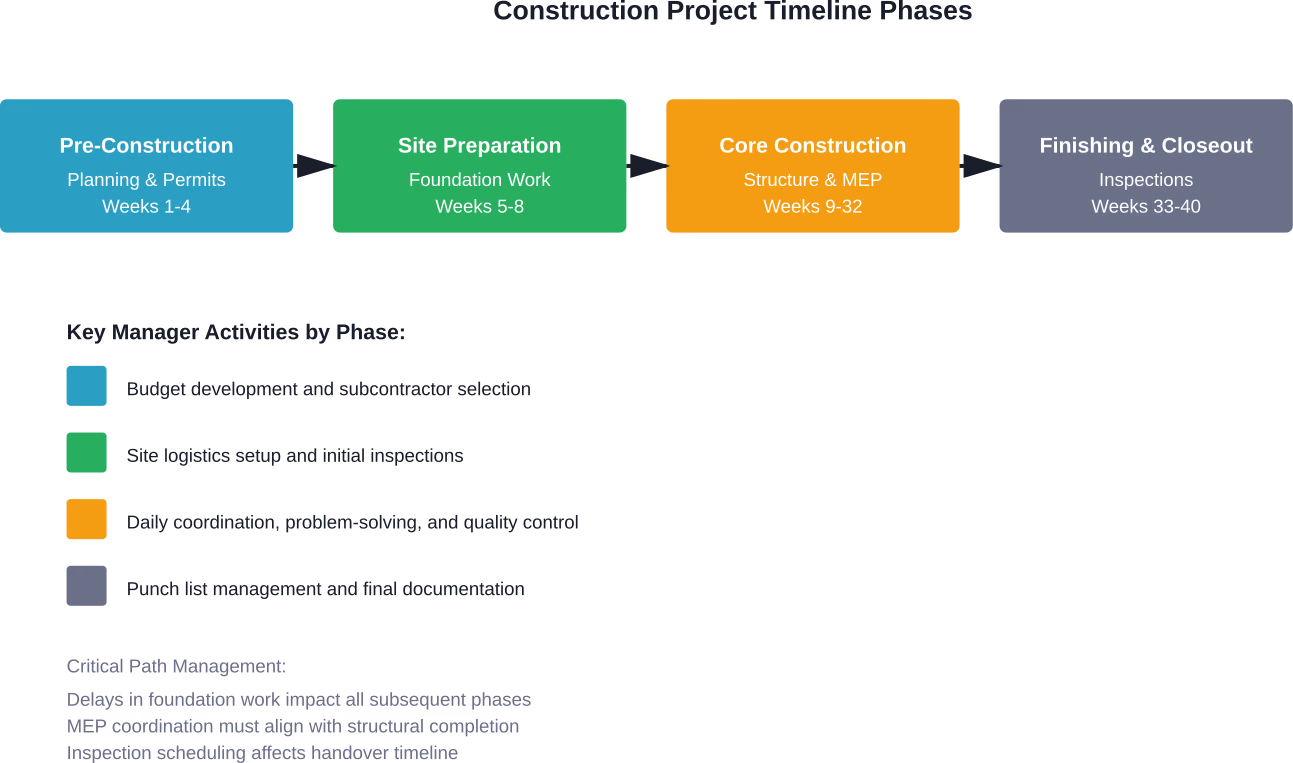
Pre-Construction Planning and Preparation
Before any dirt gets moved, construction project managers handle extensive planning work. They review architectural drawings and specifications, identify potential construction challenges, and develop detailed project schedules.
This phase includes selecting and vetting subcontractors, ordering long-lead materials, securing necessary permits, and establishing site logistics plans. They coordinate with utility companies for service connections, arrange for temporary facilities, and set up safety protocols.
Budget development happens during this phase. Construction project managers estimate costs for materials, labor, equipment rental, and contingencies. They create detailed line-item budgets that track every expense category throughout the project.
According to AGC’s Advanced Project Manager Course materials, experienced managers recognize that pre-planning directly correlates with a company’s bottom line. Projects that skip thorough pre-construction planning consistently face higher costs and schedule overruns.
Schedule Development and Management
Construction project managers create comprehensive schedules that map out when every trade needs to be on site, when materials must arrive, and how long each phase should take. These aren’t simple timelines—they’re complex critical path schedules that show task dependencies and identify where delays in one area will impact other work.
They update these schedules constantly as real-world conditions change. Weather delays, material shortages, design changes, and unforeseen site conditions all require schedule adjustments.
The project manager’s job is to minimize these impacts, find ways to compress schedules when possible, and communicate realistic timelines to all stakeholders.
Budget Control and Cost Management
Every construction project operates within financial constraints. Construction project managers track expenses against budget constantly, reviewing invoices, approving payment applications, and forecasting final costs.
They negotiate pricing with subcontractors and suppliers, evaluate change order requests for cost impact, and find ways to value-engineer solutions when initial approaches exceed budget. When costs start trending over budget, they identify the causes and implement corrective measures.
This requires detailed knowledge of construction costs, the ability to quickly estimate the financial impact of design changes, and skill at negotiating fair pricing without sacrificing quality.
Subcontractor Coordination and Management
Modern construction relies heavily on specialized subcontractors—electricians, plumbers, HVAC technicians, concrete contractors, framers, and dozens of other trades. Construction project managers coordinate all of them.
They schedule when each subcontractor comes on site, ensure they have the materials and information they need, resolve conflicts when trades interfere with each other’s work, and verify that completed work meets quality standards.
Managing subcontractors involves understanding their workflows well enough to sequence work logically, communicate requirements clearly, and identify when someone’s falling behind before it impacts the overall schedule.
Quality Assurance and Inspection Coordination
Construction project managers verify that work meets specifications, building codes, and quality standards. They conduct regular site inspections, create punch lists of items needing correction, and follow up to ensure deficiencies get fixed.
They also coordinate inspections with building departments and other regulatory authorities. Each phase of construction requires specific inspections—foundation inspections before concrete placement, framing inspections before drywall installation, final inspections before occupancy.
The project manager schedules these inspections at appropriate times, ensures the work is ready for inspection, addresses any violations or corrections required, and maintains documentation of all approvals.
Safety Oversight and Compliance
Construction sites present inherent safety risks. Construction project managers implement safety programs, conduct safety meetings, ensure proper protective equipment use, and maintain OSHA compliance.
They identify hazards before they cause injuries, enforce safety protocols with subcontractors, and investigate any incidents that occur. While larger projects may have dedicated safety officers, the project manager holds ultimate responsibility for site safety.
This includes maintaining required safety documentation, ensuring proper training for all workers, and stopping work when unsafe conditions exist.
التواصل مع أصحاب المصلحة
Construction project managers serve as the primary communication hub. They provide regular updates to project owners, respond to architect and engineer questions, coordinate with local authorities, and address neighbor concerns.
They run project meetings with all stakeholders, document decisions and action items, and ensure information flows to everyone who needs it. When problems arise, they communicate issues promptly along with proposed solutions.
Effective communication prevents misunderstandings that lead to costly rework, keeps stakeholders aligned on project status, and builds the trust necessary for collaborative problem-solving.
Base Project Decisions On What Is Actually Happening On Site

A construction project manager makes decisions every day, but a lot of project information still comes from reports and coordination updates that don’t always reflect real conditions.
باورخ brings a more grounded view into that process by tracking how design intent carries through coordination and into construction, and where it starts to shift. This gives project managers a clearer understanding of what is really happening across the project, so decisions are based on actual conditions rather than assumptions.
👉 Bring باورخ into your project to support decisions with a clearer view of how things are actually coming together on site.
Essential Skills for Construction Project Management
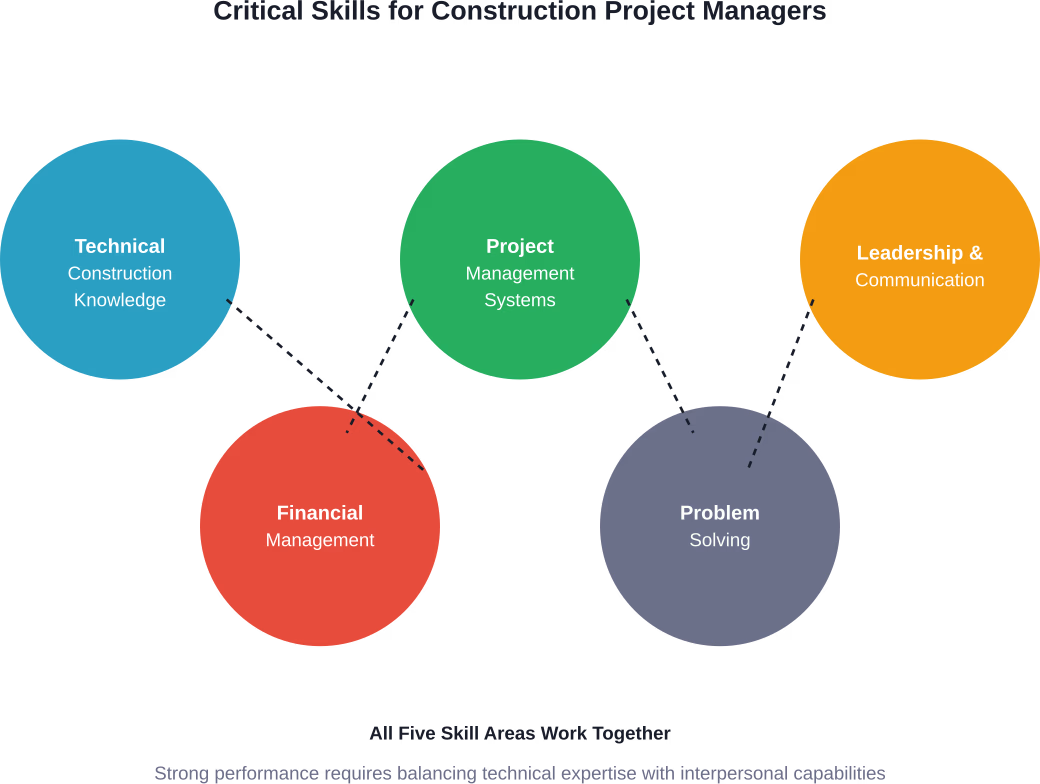
The role demands a diverse skill set that combines technical construction knowledge with management and interpersonal abilities.
Technical Construction Knowledge
Construction project managers need to understand how buildings go together. They must know proper construction sequencing, recognize quality workmanship, understand structural systems, and be familiar with mechanical, electrical, and plumbing installations.
This knowledge typically comes from years of field experience. According to the Bureau of Labor Statistics, large construction firms often prefer to hire candidates who have both construction experience and a bachelor’s degree in a construction-related field.
They need to read and interpret architectural drawings and specifications, understand building codes and regulations, and know construction methods well enough to evaluate subcontractor proposals and identify potential issues before they occur.
Project Scheduling and Planning
Creating realistic schedules requires understanding task durations, recognizing task dependencies, and identifying the critical path—the sequence of activities that determines the minimum project duration.
Construction project managers use scheduling software, but the tool is only as good as the knowledge behind it. They need to know how long activities actually take, which tasks must finish before others can start, and where schedule compression is possible.
Budget Management and Cost Estimation
Financial acumen is crucial. Construction project managers must estimate costs accurately, track expenses meticulously, and forecast final costs based on current trends.
They need to understand unit pricing, evaluate whether quotes are reasonable, and identify opportunities for cost savings without compromising quality or safety.
Leadership and Team Management
Construction project managers lead without direct authority over most of the people doing the work. Subcontractors work for their own companies, not the project manager.
Effective project managers earn influence through competence, fairness, and clear communication. They motivate teams, resolve conflicts, hold people accountable, and create collaborative environments where problems get solved efficiently.
Problem-Solving Under Pressure
Construction projects generate constant challenges. Materials arrive damaged. Subcontractors don’t show up. Inspectors identify code violations. Weather delays critical work. Design drawings contain conflicts.
Construction project managers solve these problems quickly, often with imperfect information and competing constraints. They need to think on their feet, evaluate options rapidly, and make decisions that balance multiple considerations.
Communication Across Diverse Audiences
Project managers communicate with executives who focus on costs and timelines, architects who care about design intent, laborers who need clear work instructions, and regulatory officials who enforce codes.
Each audience needs different information presented differently. Effective project managers adapt their communication style, level of detail, and terminology to match the audience and purpose.
Career Path and Educational Requirements
People enter construction project management through various routes, though certain patterns are common.
Typical Entry Points
Many construction project managers start in the field as laborers or trade workers, gaining hands-on construction experience before moving into supervisory roles and eventually project management. This path provides deep practical knowledge but takes years to progress.
Others complete bachelor’s degrees in construction management, civil engineering, or related fields and enter the industry as assistant project managers or project engineers. This academic route provides theoretical knowledge and faster advancement but requires building practical experience on the job.
According to BLS data, large construction firms typically prefer candidates who combine both construction experience and formal education in a construction-related field.
Relevant Educational Backgrounds
Construction management degrees specifically prepare students for this career path, covering estimating, scheduling, contracts, construction methods, and project management principles.
Civil engineering degrees work well, particularly for infrastructure and heavy civil projects. Architecture degrees provide useful background for building projects, though they emphasize design over execution.
Business degrees with construction industry experience can also lead to project management roles, particularly for professionals who develop construction knowledge through work experience.
الشهادات المهنية
While not always required, professional certifications demonstrate competence and commitment. The Project Management Professional (PMP) credential from the Project Management Institute applies across industries but includes construction-specific applications.
The Construction Manager Certification Institute offers the Certified Construction Manager (CCM) credential specifically for construction professionals. This requires a combination of education, experience, and passing a comprehensive examination.
The AGC’s Construction Project Manager Course and Advanced Project Manager Course provide structured training for developing and experienced project managers respectively, covering practical skills from pre-planning through project closeout.
Career Progression Timeline
Entry-level project coordinators or assistant project managers typically spend 2-4 years supporting senior project managers while building skills and knowledge. They handle specific tasks like documentation, submittals processing, or schedule updates.
Project managers usually reach this level after 5-8 years of combined education and experience. They manage complete projects, typically starting with smaller or less complex work and progressing to larger projects as they demonstrate competence.
Senior project managers handle the most complex projects, often managing multiple concurrent projects or leading teams of project managers. This level typically requires 10+ years of experience.
Some senior project managers advance to operations management, overseeing entire business units or regional offices for construction companies.
Work Environment and Conditions
The work environment for construction project managers splits between office and field settings.
Office Versus Field Time
Most construction project managers spend roughly 40-60% of their time in field settings—on construction sites conducting inspections, meeting with subcontractors, solving problems, and overseeing work.
The remainder happens in offices—reviewing plans, updating schedules, managing budgets, responding to emails, and attending meetings with owners, architects, and other stakeholders.
The exact split varies by project phase. Pre-construction involves more office work. Active construction shifts heavily toward field time. Closeout balances both.
Schedule and Work Hours
Standard work hours rarely apply in construction project management. Projects operate on tight deadlines, problems occur outside regular business hours, and weather delays create pressure to maximize productive days.
Fifty to sixty-hour weeks are common during active construction. Early mornings are standard—many project managers arrive on site by 6:30 or 7:00 AM when work begins.
Evening and weekend work happens regularly when deadlines loom or when problems require immediate attention. The role demands flexibility and willingness to work extended hours when projects need it.
Project Types and Settings
Construction project managers work across diverse project types—residential developments, commercial buildings, industrial facilities, infrastructure projects, renovations, and more.
Each project type presents different challenges. Residential work moves quickly with relatively straightforward construction. Commercial projects involve more complex systems and stricter regulations. Infrastructure projects handle massive scale and public oversight.
Settings range from comfortable suburban sites to remote locations, dense urban environments with tight logistics, or industrial areas with hazardous conditions. The construction site becomes the project manager’s workplace, whatever the conditions.
Compensation and Job Outlook
Construction project management offers strong compensation and solid career prospects.
Salary Data and Earning Potential
According to the Bureau of Labor Statistics, the median annual wage for construction managers was $106,980 in May 2024, or $51.43 per hour. This means half of construction managers earned more than this amount and half earned less.
Entry-level project coordinators typically start in the $50,000-$65,000 range depending on location and company size. Project managers with 5-8 years of experience commonly earn $80,000-$120,000.
Senior project managers on large commercial or infrastructure projects often exceed $130,000, with total compensation including bonuses potentially reaching $150,000-$200,000+ for top performers in major metropolitan areas.
Geographic location significantly impacts compensation. Project managers in major cities like New York, San Francisco, or Seattle typically earn 20-40% more than those in smaller markets, though cost of living differences offset some of this premium.
Employment Outlook Through 2034
The Bureau of Labor Statistics projects employment of construction managers to grow faster than average for all occupations from 2024 to 2034. Management occupations overall are projected to see about 1.1 million openings annually, with construction management representing a significant portion of that demand.
According to the Bureau of Labor Statistics, construction management maintains a solid job outlook of 9%, which greatly exceeds the average growth rate across other fields.
Demand stems from ongoing infrastructure needs, population growth requiring residential construction, commercial development, and the need to replace retiring professionals as the workforce ages.
Factors Driving Demand
Housing shortages across many markets drive residential construction activity. Infrastructure projects—roads, bridges, utilities, public buildings—require constant maintenance, upgrades, and new construction.
The push toward sustainable building practices creates demand for project managers who understand green building methods and LEED certification requirements.
As construction methods evolve with new technologies—prefabrication, modular construction, building information modeling—companies need project managers who can adapt to these changes while maintaining fundamental project controls.
| Experience Level | Typical Salary Range | Project Responsibility | Years of Experience |
|---|---|---|---|
| Project Coordinator | $50,000 – $65,000 | Supports senior PM, handles documentation | 0-2 years |
| Assistant Project Manager | $65,000 – $85,000 | Manages project components under supervision | 2-5 years |
| Project Manager | $80,000 – $120,000 | Full project responsibility, moderate complexity | 5-10 years |
| Senior Project Manager | $110,000 – $150,000+ | Complex projects, multiple concurrent projects | 10+ years |
| Program Manager | $130,000 – $180,000+ | Multiple projects, team leadership | 12+ years |
Common Challenges and How to Handle Them
Construction project management involves navigating persistent challenges that test even experienced professionals.
Managing Scope Creep and Change Orders
Projects rarely proceed exactly as initially planned. Owners request changes. Field conditions differ from assumptions. Design errors require corrections. Each change potentially affects schedule and budget.
Effective project managers establish clear change order processes from the start, document all changes in writing, calculate time and cost impacts before proceeding, and communicate these impacts clearly to owners before implementing changes.
They also push back on unnecessary changes and help owners understand the consequences of scope modifications.
Dealing With Schedule Delays
Weather happens. Materials arrive late. Subcontractors underestimate how long work takes. Inspectors find problems requiring correction. Delays cascade through the schedule affecting multiple trades.
Project managers handle this by building reasonable contingency into initial schedules, identifying schedule risks early, maintaining open communication with all subcontractors about timeline expectations, and finding opportunities to compress schedules when possible through overlapping tasks or adding resources.
Resolving Conflicts Between Stakeholders
Owners want maximum quality at minimum cost. Architects want design intent preserved. Engineers prioritize structural integrity. Subcontractors want clear direction and fair pricing. These interests don’t always align.
Construction project managers mediate these conflicts by understanding each stakeholder’s priorities, facilitating discussions that focus on shared goals, presenting objective data to support decisions, and finding compromise solutions that address everyone’s core needs.
Maintaining Quality Under Budget Pressure
When budgets tighten, pressure builds to cut corners. Cheaper materials, faster installation methods, and reduced quality control all save money short-term but create long-term problems.
Professional project managers resist this pressure by clearly communicating the consequences of quality compromises, identifying cost-saving alternatives that don’t sacrifice performance, and documenting decisions when owners choose to accept lower quality despite recommendations.
Technology and Tools Project Managers Use
Modern construction project management relies heavily on specialized software and technology.
Project Management Software
Dedicated construction project management platforms integrate scheduling, document management, cost tracking, and communication. Popular options include Procore, PlanGrid, Buildertrend, and CoConstruct.
These platforms allow real-time updates from the field, centralized document storage, automated workflows for submittals and RFIs, and dashboard reporting that gives all stakeholders visibility into project status.
Scheduling Software
Microsoft Project, Primavera P6, and similar applications create detailed project schedules showing task dependencies, resource allocation, and critical path analysis. Project managers use these tools to develop initial schedules, track progress, and model what-if scenarios when changes occur.
نمذجة معلومات البناء (BIM)
BIM represents buildings as 3D digital models containing not just geometry but also data about components, specifications, and relationships. Project managers use BIM for clash detection (identifying conflicts between building systems before construction), visualization, and quantity takeoffs.
While architects and engineers create BIM models, project managers increasingly need to understand and utilize these models for coordination and planning.
Communication Platforms
Email remains ubiquitous, but construction projects increasingly use dedicated collaboration platforms, shared drives for document management, and mobile messaging apps for rapid field communication.
Photo documentation through smartphone apps creates visual records of site conditions, quality issues, and completed work. Drone photography provides aerial site documentation and progress tracking on larger projects.
Who Succeeds in Construction Project Management
Certain personality traits and characteristics correlate with success in this career.
Comfortable With Complexity and Ambiguity
Construction projects involve dozens of simultaneous activities, hundreds of decisions, and constant uncertainty. People who need clear-cut answers and structured environments often struggle with the inherent messiness of construction.
Successful project managers stay organized despite chaos, make decisions with incomplete information, and adapt as situations change.
Detail-Oriented But Not Perfectionistic
Small details matter in construction. A missed dimension, an overlooked code requirement, or a forgotten permit can cause expensive problems. Yet perfectionism paralyzes progress.
Effective project managers sweat the details that significantly impact outcomes while accepting that not everything will be perfect. They distinguish between critical details requiring extensive attention and minor issues not worth the time investment.
Comfortable With Conflict
Construction generates disagreements. Subcontractors dispute responsibilities. Owners complain about costs. Inspectors cite violations. People get frustrated under deadline pressure.
Project managers who avoid conflict or take disagreements personally burn out quickly. Those who remain calm under pressure, address conflicts directly but professionally, and focus on solutions rather than blame tend to thrive.
Genuinely Interested in How Things Get Built
The job involves endless problem-solving about construction logistics, materials, methods, and sequencing. People who find this inherently interesting sustain motivation through long hours and challenging projects.
Those who view it as merely a job rather than genuinely engaging work often lack the curiosity needed to continuously learn and improve.
How to Break Into Construction Project Management
For those considering this career path, several approaches can lead to project management roles.
Starting From the Field
Beginning as a laborer or trade apprentice provides the deepest practical knowledge. Work hard, ask questions, learn how different trades operate, and seek opportunities to take on additional responsibilities.
Move into lead positions, then foreman roles, then superintendent positions. This path takes 8-12 years typically but produces project managers with unmatched practical knowledge.
Education-First Approach
Construction management degree programs compress theoretical learning into four years. Seek internships with construction companies during summers to build practical experience alongside academic knowledge.
Many firms hire recent graduates as project engineers or assistant project managers, providing structured development programs that combine continued learning with increasing responsibility.
This path reaches project manager level faster—typically 5-7 years total—but requires building practical experience after graduation.
Hybrid Approach
Some professionals work in the field for 2-4 years while completing a construction management degree part-time or online. This combines practical experience with formal education, though it requires managing work and school simultaneously.
This approach works well for motivated individuals who want the credibility of a degree but value hands-on experience.
Transitioning From Related Fields
Architects, engineers, and trade professionals sometimes transition into project management. Their technical knowledge transfers well, though they need to develop the business, scheduling, and coordination aspects of the role.
Project management training programs like those offered by AGC help these professionals add project management skills to their existing expertise.
What Construction Project Managers Don't Do
Understanding what the role doesn’t involve helps set realistic expectations.
They Don’t Design Buildings
Architects and engineers handle design. Project managers implement those designs, providing input about constructability and cost implications, but they don’t create architectural plans or perform structural engineering calculations.
They Don’t Personally Perform Construction Work
Project managers coordinate the people doing the work—they don’t typically operate equipment, install materials, or perform manual labor. Their value comes from planning, coordinating, and problem-solving, not physical construction.
They Don’t Have Complete Control
Despite significant responsibility, project managers work within constraints they don’t control—budgets set by owners, designs created by architects, building codes established by municipalities, and weather determined by nature.
The role involves optimizing outcomes within these constraints, not eliminating the constraints themselves.
It’s Not Pure Office Work
People expecting climate-controlled office environments will be disappointed. Construction sites are hot in summer, cold in winter, muddy when it rains, and dusty during demolition. The job requires physical presence in these conditions.
Industry Sectors and Specializations
Construction project managers can specialize in particular market sectors, each with distinct characteristics.
الإنشاءات السكنية
Single-family homes, multi-family developments, and residential renovations move quickly with relatively straightforward construction methods. Residential project managers handle higher volumes of smaller projects compared to commercial counterparts.
Homeowner clients require extensive communication and hand-holding through the construction process. Profit margins are often tighter, placing pressure on efficiency.
Commercial Construction
Office buildings, retail centers, hotels, and mixed-use developments involve more complex systems, stricter codes, and larger project teams. Commercial projects typically last 12-36 months and involve substantial budgets.
Commercial project managers work with sophisticated clients and coordinate larger teams of specialty subcontractors.
الصناعة والتصنيع
Factories, warehouses, distribution centers, and processing facilities emphasize functionality over aesthetics. These projects often involve specialized equipment installation, strict operational requirements, and accelerated schedules to minimize business disruption.
Infrastructure and Heavy Civil
Roads, bridges, utilities, dams, and similar projects happen in outdoor environments with massive scale and heavy equipment. These project managers understand earthwork, drainage, paving, and structural concrete.
Public funding adds layers of regulatory compliance and public oversight not present in private commercial work.
Healthcare and Institutional
Hospitals, schools, and government buildings require specialized knowledge of codes, infection control protocols, security requirements, and operational considerations. Many of these projects involve occupied renovations, requiring coordination around ongoing operations.
The Future of Construction Project Management
The role continues evolving as technology and methods advance.
Increasing Technology Integration
Project managers need growing comfort with digital tools—BIM, project management software, drones, reality capture, and emerging technologies. Those who adapt to new tools gain competitive advantages.
Sustainability and Green Building
Environmental concerns drive increasing emphasis on sustainable construction methods, energy-efficient systems, and green building certifications. Project managers need understanding of these requirements and how to implement them cost-effectively.
التصنيع المسبق والبناء المعياري
Building components fabricated off-site and assembled on-site change traditional construction sequencing and logistics. Project managers must adapt scheduling and coordination approaches to leverage these methods effectively.
Labor Shortages
Construction faces ongoing challenges attracting skilled labor. Project managers increasingly deal with workforce shortages by finding creative staffing solutions, improving productivity with existing crews, and potentially incorporating more prefabricated solutions that require less field labor.
Conclusion: Is Construction Project Management Right for You?
Construction project management offers a challenging, rewarding career for the right individuals. The role combines technical knowledge, business acumen, leadership skills, and relentless problem-solving in an environment where decisions have immediate, visible consequences.
The compensation is solid—median wages of $106,980 according to BLS data, with top performers earning significantly more. Job outlook remains strong with 9% projected growth through 2034, driven by ongoing infrastructure needs and construction activity.
But the work is demanding. Long hours, deadline pressure, complex coordination, and constant challenges characterize the role. Success requires specific personality traits: comfort with complexity, resilience under pressure, detail orientation, strong communication skills, and genuine interest in construction.
For those who possess these characteristics and enjoy the construction process, the career provides continuous variety, tangible accomplishments, and the satisfaction of transforming plans into physical structures that serve communities for decades.
The path into construction project management accommodates multiple entry points—field experience, formal education, or combinations of both. Whichever route someone chooses, the destination offers a career that’s intellectually engaging, financially rewarding, and fundamentally about building the physical infrastructure that modern society requires.
If that combination appeals to you, construction project management deserves serious consideration.
الأسئلة الشائعة
Do construction project managers need a college degree?
Not always, but many employers prefer candidates with a degree in construction management or a related field. Experience in construction can also lead to this role, though it may take longer to progress.
What’s the difference between a construction manager and a project manager?
The roles often overlap. Construction managers focus more on on-site operations, while project managers handle planning and coordination. Many companies use the terms interchangeably.
How much do construction project managers travel?
Travel varies by company and project type. Some roles are local, while others require frequent travel or temporary relocation to project sites.
Can someone become a construction project manager without field experience?
Yes, but it is challenging. Field experience provides practical understanding that is difficult to replace and is highly valued in construction management roles.
What certifications help construction project managers advance?
Certifications like PMP, Certified Construction Manager, LEED credentials, and OSHA training can improve career opportunities and demonstrate expertise.
Is construction project management stressful?
Yes. The role involves tight deadlines, budget pressure, and constant problem-solving, though many professionals find it rewarding despite the stress.
What’s the typical career span for construction project managers?
Many project managers work 20 to 35 years in the field, with some transitioning into less demanding roles or leadership positions later in their careers.

دراسات الحالة لدينا
لقد تعاملنا مع أكثر من 200 مشروع من مشاريع نمذجة معلومات المباني ونمذجة معلومات المباني للقطاعات التجارية والصناعية والسكنية.
يشمل عملنا ما يلي:
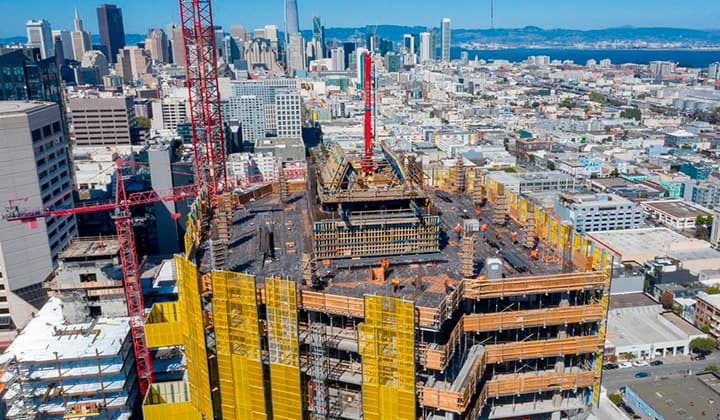
أتمتة تصميم القوالب
Our client from
California, USA
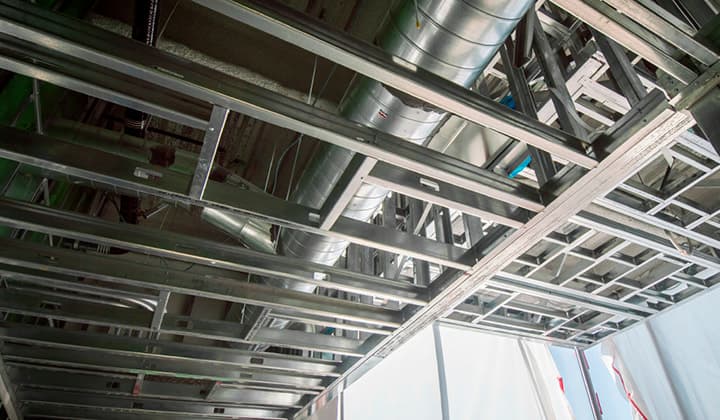
أتمتة تصميم السقف المعلق
Our client from
New York, USA
أتمتة تصميم إطارات الحائط
Our client from
California, USA