هل لديك أي أسئلة؟ اتصل بنا!
انضم إلى فريقنا!
اطلب عرض أسعار أو استشارة مجانية

A construction site safety audit is a systematic evaluation of workplace conditions, practices, and procedures to identify hazards, ensure compliance with safety regulations, and prevent accidents. Unlike quick inspections that focus on immediate dangers, audits provide comprehensive reviews of safety programs, documentation, and long-term risk management strategies.
A missing guardrail here. A frayed electrical cord there. A rushed equipment lift without proper spotting. These small oversights don’t stay small for long on construction sites.
That’s where safety audits come in. They’re the systematic deep dive that catches problems before they turn into incident reports—or worse.
Understanding Construction Safety Audits
A construction safety audit is a formal, structured examination of all safety-related aspects of a construction site. It goes beyond surface-level checks to evaluate whether safety programs, training protocols, documentation, and actual site conditions align with regulatory standards and industry best practices.
Think of it this way: an inspection spots the frayed cord. An audit asks why that cord wasn’t replaced, whether equipment maintenance schedules exist, if workers know how to report hazards, and whether the safety budget accounts for timely replacements.
According to OSHA, all employers must report all work-related fatalities within 8 hours. All employers must also report all work-related inpatient hospitalizations, all amputations, and all losses of an eye within 24 hours. Audits help prevent these reportable incidents by addressing root causes systematically.
Safety Audits vs. Safety Inspections
These terms get used interchangeably, but they’re different tools.
| Aspect | Safety Inspections | Safety Audits |
|---|---|---|
| التركيز | Immediate hazards and unsafe conditions | Comprehensive evaluation of safety management systems |
| Frequency | Daily or weekly | Quarterly, semi-annually, or annually |
| النطاق | Physical site conditions | Policies, procedures, training, documentation, and site conditions |
| Duration | 30 minutes to 2 hours | Half-day to multiple days |
| Outcome | Immediate corrective actions | Strategic recommendations and program improvements |
Inspections are tactical. Audits are strategic. Both matter, but audits dig deeper into why problems exist and how to prevent them systematically.
Why Construction Sites Need Safety Audits
Construction sites face unique risks. Heights, heavy machinery, electrical systems, excavations, and constantly changing conditions create a perfect storm for potential accidents.
Regular safety audits serve multiple critical functions. They identify hazards before incidents occur. They verify compliance with OSHA regulations and industry standards. They demonstrate good faith efforts in safety management, which OSHA interprets as referring to the employer’s establishment of an effective safety and health program. Under the OSHA Field Operations Manual (FOM), employers may receive a penalty reduction of up to 25% for a ‘Good Faith’ effort if they have implemented an effective safety and health management system.
But here’s the thing: audits also protect project timelines and budgets. Research from the Construction Industry Institute found that fixing an issue during design costs $1, but that same fix costs $10 during construction and $100 during operation. Early identification through audits prevents expensive rework and delays.
Key Components of an Effective Safety Audit
A comprehensive construction safety audit examines multiple layers of site operations.
Documentation Review
Auditors examine safety plans, training records, incident reports, equipment maintenance logs, and permit documentation. Are safety meetings documented? Do training records show current certifications? Have previous incident corrective actions been implemented?
This paper trail reveals whether safety management exists on paper only or translates into actual practice.
Physical Site Inspection
The walkthrough covers everything from fall protection systems and scaffolding to equipment guards, electrical systems, personal protective equipment (PPE) availability, housekeeping standards, and emergency access routes.
Common hazards that audits frequently catch include inadequate fall protection, improper ladder use, missing machine guards, poor electrical safety practices, inadequate PPE, and blocked emergency exits.
Employee Interviews
Talking with workers provides ground truth. Do they know emergency procedures? Have they received adequate training? Do they feel comfortable reporting hazards? Can they demonstrate proper equipment use?
The gap between management’s perception and workers’ reality often reveals critical vulnerabilities.
Compliance Verification
Auditors verify adherence to OSHA standards, state and local regulations, company-specific safety policies, and industry best practices. This includes checking that required permits are current, confined space protocols are followed, and hazard communication programs are implemented.
Types of Construction Safety Audits
Different audit types serve different purposes and timelines.
Internal Audits
Conducted by company safety personnel or designated team members. These happen more frequently—quarterly or monthly—and focus on continuous improvement. They’re less formal but provide ongoing monitoring and quick course corrections.
External Audits
Independent third-party auditors bring fresh eyes and specialized expertise. They’re more objective, carry more credibility with regulators, and often happen annually or when seeking certifications. External audits typically provide more detailed documentation that can support insurance claims or legal defenses.
Compliance Audits
These specifically verify adherence to OSHA standards, state regulations, and industry-specific requirements. According to OSHA’s interpretation of Process Safety Management Standard 29 CFR 1910.119, compliance audits must be conducted at least every three years for facilities handling highly hazardous chemicals.
Program Audits
Rather than checking specific site conditions, program audits evaluate the overall safety management system—policies, procedures, training programs, incident investigation processes, and continuous improvement mechanisms.
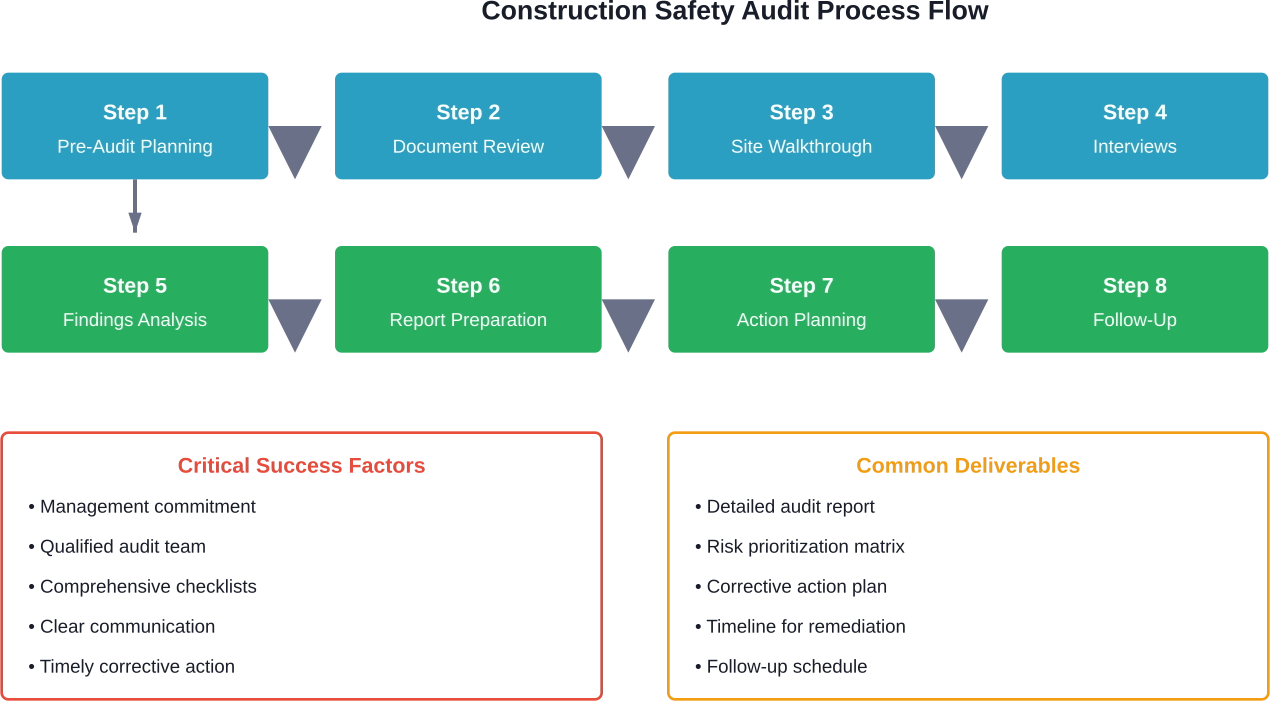
How to Conduct an Effective Safety Audit
Running a meaningful audit requires preparation and systematic execution.
Pre-Audit Preparation
Define the audit scope clearly. Which areas will be covered? What time period of records will be reviewed? Who needs to be available for interviews?
Assemble the audit team—typically including a lead auditor with safety expertise, site supervisors familiar with operations, and potentially workers who understand day-to-day realities. Gather relevant documents beforehand: previous audit reports, incident logs, training records, and safety plans.
Conducting the Audit
Start with an opening meeting to explain the process and set expectations. Review documentation systematically, looking for patterns and gaps. Conduct the site walkthrough during active work hours when actual conditions and practices are visible.
Document findings immediately with photos, notes, and specific locations. Use standardized checklists to ensure consistency, but don’t let checklists limit observations—note anything that seems off.
Interview workers privately when possible. Fear of reprisal silences honest feedback.
Post-Audit Actions
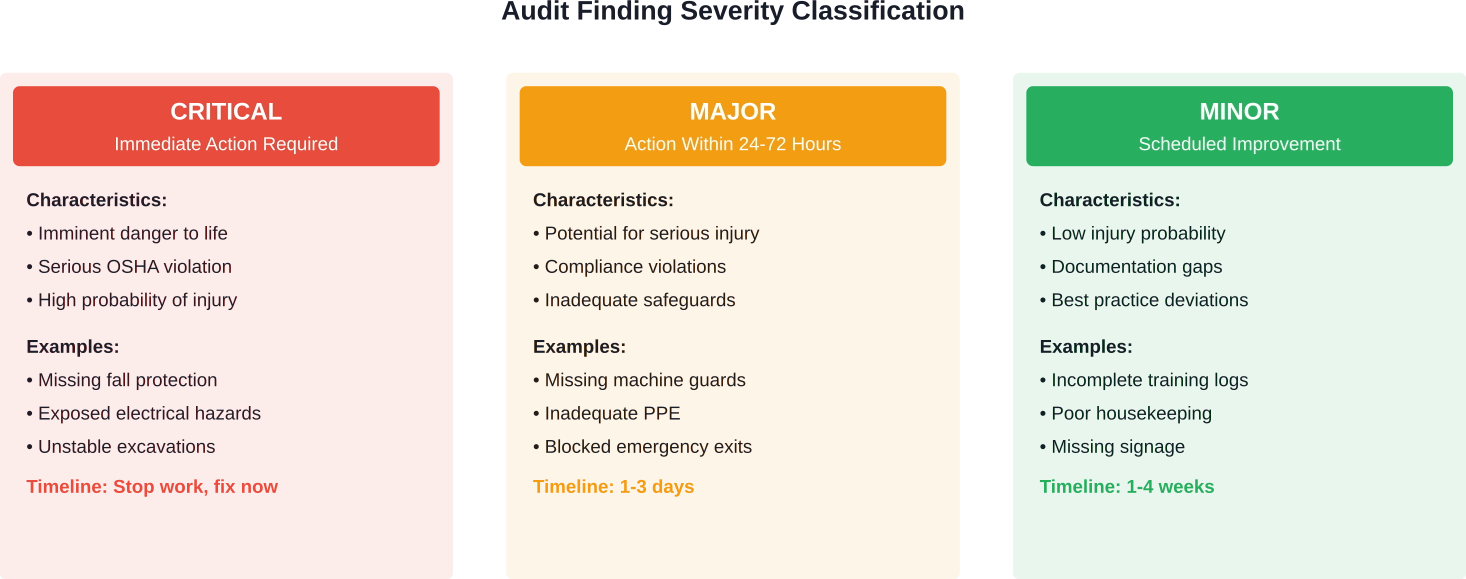
Compile findings into a clear report that categorizes issues by severity—critical, major, and minor. Critical items demand immediate action; minor items can follow scheduled improvement plans.
But here’s where many audits fail: the report sits on a shelf. Effective audits require documented corrective action plans with specific responsibilities, deadlines, and verification methods.
Schedule follow-up audits to verify implementation. Track trends across multiple audits to identify recurring issues that need systemic solutions.
التحديات المشتركة وأفضل الممارسات
Safety audits face predictable obstacles.
Worker resistance often stems from fear that audits are punitive. The solution? Emphasize that audits protect workers, not catch them. Frame findings as system failures, not individual blame.
Time and resource constraints tempt shortcuts. But incomplete audits waste everyone’s time. Better to audit fewer areas thoroughly than rush through everything superficially.
Documentation gaps make trending impossible. Standardized forms and digital audit tools create consistent records that reveal patterns across time.
Best practices that consistently improve audit effectiveness include conducting audits at different times and days to see varying conditions, involving workers in identifying solutions, using photos and videos to document conditions, benchmarking against industry standards, and treating audits as learning opportunities rather than punitive exercises.
Catch Site Risks Before They Turn Into Safety Issues

Most safety audits rely on checklists, but the real risk usually sits in the gap between what was designed and what ends up built. باورخ works closer to that gap. They follow the design through coordination and construction, using BIM and site data to see where things start to drift.
It is less about reports and more about catching problems while they are still small:
- Checking design vs site deviations using real data
- Reviewing high-risk zones like plant rooms and tight spaces
- Validating what is actually installed, not what is assumed
- Flagging coordination issues before they spread across the project
Contact باورخ if you want a clearer view of what is really happening on your site before those gaps turn into safety risks.
Taking Action on Construction Site Safety
Safety audits aren’t bureaucratic exercises. They’re systematic ways to find and fix problems before people get hurt.
The construction industry faces inherent risks. Heights, heavy equipment, electrical systems, and constantly changing conditions create endless opportunities for accidents. Regular safety audits provide the structured approach needed to manage these risks proactively.
Start with a realistic audit schedule based on project complexity. Assemble qualified audit teams with both safety expertise and operational knowledge. Use comprehensive checklists but remain alert to unexpected hazards. Document findings thoroughly and prioritize them by severity.
But most importantly: act on findings promptly. The best audit report means nothing if recommendations sit unimplemented. Assign clear responsibilities, set firm deadlines, and verify completion through follow-up verification.
Construction site safety audits protect workers, ensure regulatory compliance, prevent costly delays, and demonstrate organizational commitment to safety. They’re not optional extras—they’re essential tools for responsible construction management.
الأسئلة الشائعة
How often should construction sites conduct safety audits?
Frequency depends on project size, complexity, and risk level. Large construction sites with multiple contractors typically benefit from quarterly audits. Smaller projects might conduct comprehensive audits semi-annually or annually. However, daily safety inspections should supplement formal audits regardless of project size. OSHA requires certain process safety management compliance audits at least every three years for facilities handling highly hazardous chemicals.
Who should conduct construction safety audits?
Internal audits can be conducted by qualified safety personnel, project managers with safety training, or designated safety committee members. External audits should be performed by certified safety professionals, third-party safety consultants, or industrial hygienists with construction expertise. The key qualification is thorough knowledge of OSHA construction standards and industry best practices.
What’s the difference between a safety audit and a safety inspection?
Safety inspections focus on identifying immediate physical hazards and unsafe conditions during brief walkthroughs. Safety audits are comprehensive evaluations of entire safety management systems, including policies, training programs, documentation, and long-term compliance. Inspections are tactical and frequent, while audits are strategic and less frequent.
What should be included in a safety audit checklist?
Comprehensive checklists should cover fall protection systems, scaffolding and ladders, electrical safety, personal protective equipment, equipment and machinery safeguards, excavation and trenching, hazard communication, emergency preparedness, housekeeping, training documentation, and incident investigation records. Checklists should be customized to specific project hazards and activities.
Are construction safety audits legally required?
OSHA doesn’t mandate general safety audits for all construction sites, but specific standards require audits in certain circumstances. Process Safety Management requires compliance audits every three years. Conducting regular voluntary safety audits demonstrates good faith efforts toward workplace safety and can reduce penalties in some cases.
How long does a typical construction safety audit take?
Duration varies based on site size and complexity. Small residential projects might require half a day for a thorough audit. Large commercial or industrial sites with multiple contractors can take several days. Document review may add additional time. Generally, plan for several hours on-site plus time for report preparation.
What happens after a safety audit identifies problems?
Critical findings require immediate corrective action, sometimes including stopping work until hazards are controlled. Major issues typically need resolution within a short timeframe, while minor findings can follow planned improvements. All findings should be documented with assigned responsibilities, deadlines, and verification methods. Follow-up audits confirm that corrective actions were implemented effectively.

دراسات الحالة لدينا
لقد تعاملنا مع أكثر من 200 مشروع من مشاريع نمذجة معلومات المباني ونمذجة معلومات المباني للقطاعات التجارية والصناعية والسكنية.
يشمل عملنا ما يلي:
أتمتة تصميم القوالب
Our client from
California, USA
أتمتة تصميم السقف المعلق
Our client from
New York, USA
أتمتة تصميم إطارات الحائط
Our client from
California, USA