هل لديك أي أسئلة؟ اتصل بنا!
انضم إلى فريقنا!
اطلب عرض أسعار أو استشارة مجانية

Construction is the process of building or assembling structures such as buildings, roads, and infrastructure using labor, materials, and equipment. It encompasses various sectors including residential, commercial, industrial, and civil engineering projects. The construction industry is a major economic driver worldwide, contributing trillions of dollars annually while employing millions of workers across diverse skilled trades and professions.
When you drive past a site filled with heavy machinery, workers in hard hats, and steel beams reaching toward the sky, you’re witnessing construction in action. But what exactly is construction beyond the visible activity?
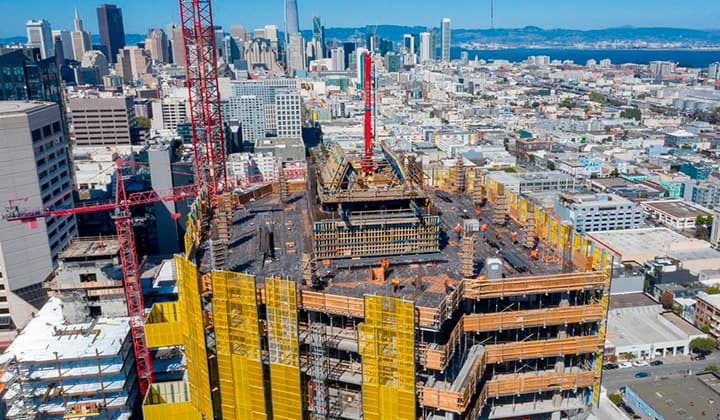
Construction is fundamentally the process of creating physical structures and infrastructure. It’s the assembly of buildings, roads, bridges, and utilities that form the backbone of modern society. This field combines engineering expertise, skilled labor, and specialized equipment to transform raw materials into functional spaces where people live, work, and connect.
The construction industry touches nearly every aspect of daily life. From the house you call home to the office where you work, from highways connecting cities to water treatment facilities ensuring clean drinking water—construction makes it all possible.
Defining Construction: Core Concepts
According to the U.S. Department of Energy, construction encompasses engineering, procurement, fabrication, erection, installation, assembly, or demolition to create a new building, structure, or other real property asset. This includes the addition, expansion, improvement, or replacement of existing assets.
The Occupational Safety and Health Administration (OSHA) defines construction work through standards prescribed in part 1926, which apply to every employment and place of employment in construction activities. These regulations establish safety protocols and operational guidelines that govern how construction projects must be conducted.
At its simplest, construction is the act of building something. Whenever a structure is being built, it’s described as “under construction.” But this broad definition encompasses an incredibly diverse range of activities, from preparing excavation sites to installing complex electrical systems.
Key Elements of Construction
Every construction project involves several fundamental components:
- Labor: Skilled workers including carpenters, electricians, plumbers, equipment operators, and construction managers
- Materials: Raw inputs like concrete, steel, wood, glass, and specialized building products
- Equipment: Machinery ranging from bulldozers and cranes to power tools and measuring instruments
- Design: Architectural plans and engineering specifications that guide the building process
- Site preparation: Clearing land, excavation, grading, and establishing foundations
These elements work together in a coordinated process. Construction isn’t just about placing one brick on top of another—it’s a complex orchestration of planning, logistics, skilled trades, and quality control.
Major Types of Construction
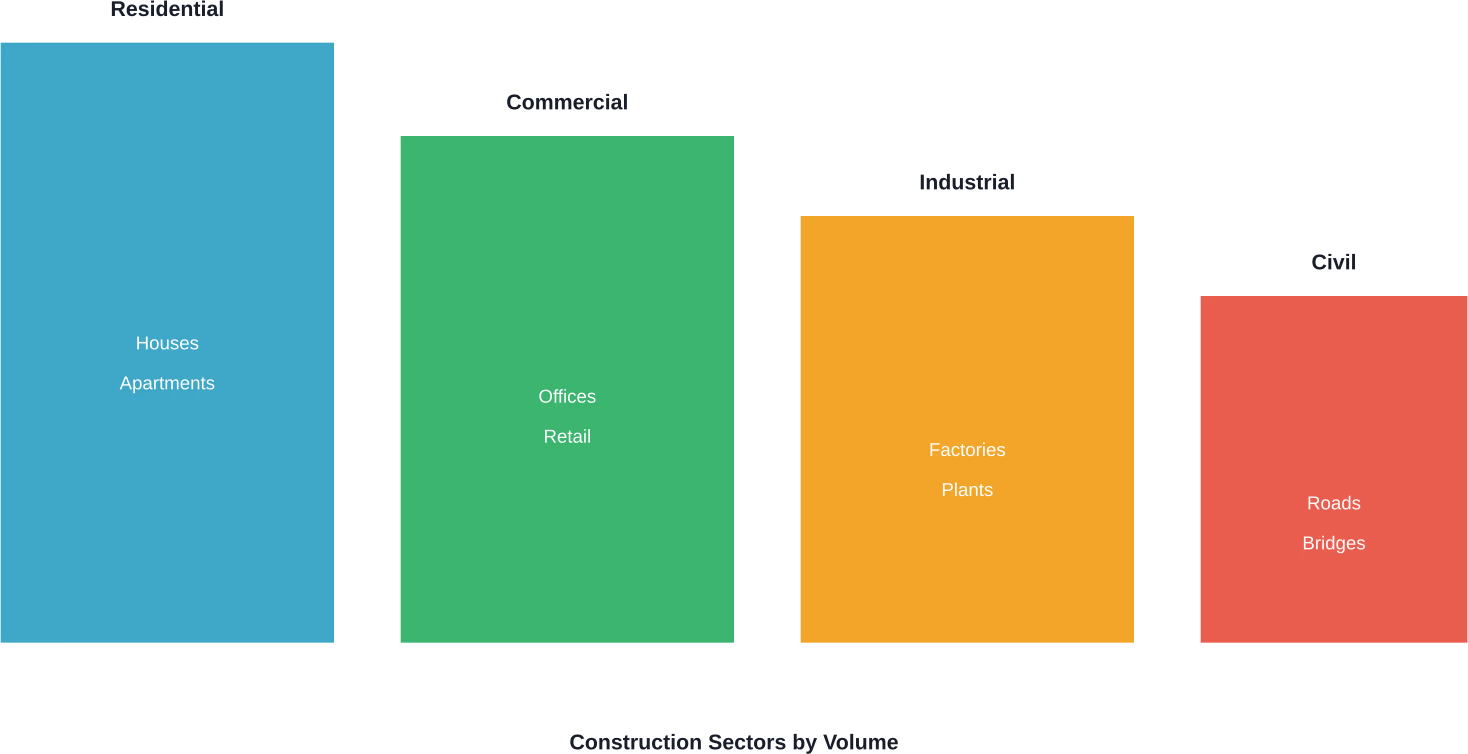
The construction industry divides into several distinct sectors, each with unique characteristics and requirements. Understanding these categories helps clarify the scope and diversity of construction work.
الإنشاءات السكنية
Residential construction focuses on building homes and living spaces. This sector includes single-family houses, townhouses, apartment complexes, and condominiums. It’s often the most visible type of construction, as residential projects occur in neighborhoods throughout every community.
Residential builders work with homeowners, developers, and property management companies. Projects range from custom luxury homes to large-scale housing developments with hundreds of units.
Commercial Construction
Commercial construction creates spaces for business operations. This includes office buildings, retail stores, restaurants, hotels, and entertainment venues. Commercial projects typically involve more complex systems than residential work—think sophisticated HVAC systems, commercial-grade electrical infrastructure, and specialized safety features.
These projects often require coordination with business owners who need specific layouts and features to support their operations. A restaurant requires completely different infrastructure than a medical office, even though both fall under commercial construction.
الإنشاءات الصناعية
Industrial construction builds facilities for manufacturing, production, and heavy industry. This sector includes factories, power plants, refineries, warehouses, and distribution centers. Industrial construction demands specialized knowledge of production processes, material handling systems, and industrial safety requirements.
The scale of industrial projects can be massive. A single manufacturing plant might span millions of square feet and require years to complete.
Civil Engineering and Infrastructure
Civil construction—also called heavy civil or infrastructure construction—creates the systems that connect communities. This includes roads, highways, bridges, tunnels, airports, water treatment facilities, and utility systems.
According to the U.S. Bureau of Labor Statistics, the construction sector comprises establishments primarily engaged in the construction of buildings or engineering projects. Infrastructure work often involves government contracts and must meet strict public safety standards.
The Construction Process
Construction projects follow a general sequence, though specific steps vary based on project type and complexity. Understanding this process reveals how construction transforms concepts into physical reality.

Planning and Design
Every project begins with conceptual planning. Owners identify needs, establish budgets, and define project goals. Architects create initial designs that balance functionality, aesthetics, and budget constraints.
Engineers then develop detailed specifications for structural, mechanical, electrical, and plumbing systems. This phase produces the blueprints and technical documents that guide actual construction work.
Pre-Construction Activities
Before breaking ground, teams secure necessary permits and approvals from local authorities. Construction managers develop schedules, order materials, and coordinate subcontractor involvement.
Site preparation begins with surveying, clearing vegetation, grading land, and establishing utilities. This creates a clean, level workspace ready for foundation work.
Foundation and Structure
Foundation work establishes the base that supports the entire structure. This might involve pouring concrete slabs, driving piles, or constructing basement walls—depending on soil conditions and building design.
Once foundations cure, structural framing begins. Steel beams, concrete columns, or wood framing create the skeleton that defines the building’s shape and supports its weight.
Systems Installation
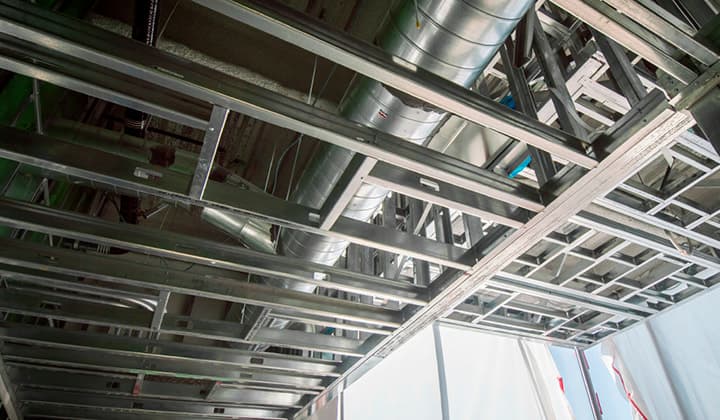
As the structure takes shape, specialized trades install critical systems. Electricians run wiring and install panels. Plumbers install pipes and fixtures. HVAC technicians set up heating and cooling systems.
This phase requires careful coordination. Electrical conduits must route around plumbing. HVAC ducts need clearance from structural members. Trade scheduling becomes crucial to maintain project momentum.
Finishing Work
Interior and exterior finishing transforms the functional structure into a completed space. This includes drywall installation, painting, flooring, cabinetry, and trim work. Exterior finishes like siding, roofing, and landscaping complete the project.
Final inspections verify that work meets building codes and design specifications before owners take possession.
Make Construction Work The Way It Was Designed

Construction is often explained as a sequence of stages –- design, coordination, build. In reality, the biggest issues happen in between, when decisions made early don’t fully carry through into what gets built on site. باورخ works in that in-between space. They support teams by following design intent through BIM, coordination, and verification, making sure it holds up as the project moves forward.
Instead of focusing on one phase, they connect the full process:
- Aligning models so different disciplines work together, not against each other
- Checking that design decisions remain consistent during coordination
- Verifying built conditions against the original design using real data
- Supporting a smoother transition from design to construction
👉 Contact باورخ to go through your project from design to site and make sure what gets built actually matches what was planned.
The Construction Industry by Numbers
Construction represents a massive economic force globally. According to data from Wikipedia citing industry sources, global construction spending was forecasted to rise to around $14.8 trillion in 2030, reflecting continued growth in infrastructure development and urbanization.
According to the U.S. Bureau of Labor Statistics, employment in construction reached 10.8 million in 2020. The sector faced challenges during the COVID-19 pandemic but has shown resilience and recovery since then.
| Country | Construction GVA 2018 (Billions USD) |
|---|---|
| الصين | 934.2 |
| الولايات المتحدة الأمريكية | 839.1 |
| Japan | 275.5 |
| الهند | 201.2 |
| Germany | 180.5 |
| المملكة المتحدة | 154.7 |
These figures demonstrate construction’s role as a primary economic driver. The industry promotes economic development and delivers infrastructure essential for modern life.
The U.S. Bureau of Labor Statistics reports that women accounted for approximately 1.2 million of those employed in construction in 2020, representing about 1 in 10 workers. The industry continues working to increase diversity and attract talent from all backgrounds.
Construction Careers and Opportunities
Construction offers diverse career paths requiring different skill levels and training approaches. The industry needs both hands-on trade workers and professional managers.
Skilled Trades
Trade careers form the backbone of construction work. These positions require specialized technical skills typically learned through apprenticeships or vocational training.
According to the Bureau of Labor Statistics, construction laborers and helpers had a median annual wage of approximately $40,000 to $45,000 as of recent data. More specialized trades command higher compensation.
Plumbers earn about $61,000 annually according to industry data, installing and repairing pipes, fixtures, and water systems. Carpenters apply woodworking knowledge to frame buildings, install cabinets, and create custom features. Electricians, welders, heavy equipment operators, and HVAC technicians all represent distinct specializations within construction.
Professional Positions
Construction also needs professionals with formal education in engineering, architecture, project management, and related fields. These roles focus on design, planning, coordination, and oversight rather than hands-on building.
Construction managers oversee entire projects, coordinating schedules, budgets, and workforce allocation. Civil engineers design infrastructure systems. Architects create building designs that are both functional and aesthetically pleasing.
Getting Started in Construction
Entry into construction varies by career path. Trade positions often accept candidates without formal education, providing on-the-job training. Many workers begin as general laborers and specialize over time.
Apprenticeship programs combine paid work experience with classroom instruction, typically lasting 3-5 years. These programs produce fully qualified journeymen who can work independently.
Professional positions typically require bachelor’s degrees in relevant fields. Engineering, architecture, and construction management programs prepare graduates for technical and supervisory roles.
Safety in Construction
Construction ranks among the most hazardous industries. According to data from Wikipedia, about 20% (1,061) of U.S. industry fatalities in 2019 occurred in construction, despite the sector representing a smaller portion of total employment.
OSHA establishes and enforces safety standards for construction work. These regulations address fall protection, electrical safety, excavation procedures, equipment operation, and hazardous materials handling.
Common hazards include falls from heights, electrocution, being struck by objects, and caught-in/between accidents. Proper training, protective equipment, and safety protocols significantly reduce risk.
Modern construction emphasizes safety culture—creating work environments where every worker feels empowered to identify hazards and stop unsafe practices. This approach has contributed to improving safety records across the industry.
Construction Trends and Innovation
The construction industry continues evolving through technological advancement and changing methodologies. Lean construction principles, adapted from manufacturing, focus on eliminating waste and maximizing value delivery.
Building Information Modeling (BIM) creates digital representations of projects before construction begins. These 3D models help identify design conflicts, optimize material usage, and improve coordination between trades.
Prefabrication and modular construction manufacture building components in controlled factory settings, then assemble them on-site. This approach can reduce construction time, improve quality control, and minimize weather-related delays.
Sustainability has become increasingly important. Green building practices reduce environmental impact through energy-efficient design, sustainable materials, and waste reduction strategies.
الخاتمة
Construction is the essential industry that builds the physical world around us. From the homes where families gather to the roads connecting communities, from power plants generating electricity to hospitals providing healthcare—construction creates the infrastructure of modern civilization.
The field offers diverse opportunities for people with varying interests and abilities. Whether you’re drawn to hands-on trade work, technical engineering, creative design, or project management, construction has a place for your talents.
As urbanization continues and infrastructure ages, demand for skilled construction professionals will remain strong. The industry is evolving through technology, improving safety, and embracing sustainability—creating new opportunities for innovation and career growth.
If you’re considering a construction career, explore the various pathways available. Talk to people working in the field. Look into apprenticeship programs, vocational schools, or degree programs depending on your interests. Construction isn’t just about building structures—it’s about building a career that literally shapes the world.
الأسئلة الشائعة
What exactly does construction mean?
Construction refers to the process of building or assembling structures using labor, materials, and equipment. It includes everything from planning and design to final completion and applies to both new builds and renovations.
What are the main types of construction?
The main types include residential, commercial, industrial, and civil or infrastructure construction. Each type has different requirements, materials, and project scopes.
Do I need a degree to work in construction?
Many construction roles do not require a degree. Skilled trades often rely on apprenticeships or vocational training, while management and engineering roles usually require formal education.
How long does construction take?
Timelines vary depending on project size and complexity. Smaller residential projects may take months, while large commercial or infrastructure projects can take years to complete.
Is construction a good career?
Construction offers stable job opportunities, competitive pay for skilled workers, and clear career progression. It can be physically demanding, but many find it rewarding due to tangible results and long-term demand.
What skills do construction workers need?
Workers need technical skills such as using tools, reading plans, and understanding safety rules, along with soft skills like teamwork, communication, and problem-solving.
How much does construction cost?
Construction costs vary widely depending on project type, location, materials, and complexity. Residential and commercial projects differ significantly, and factors like labor and material prices heavily influence total cost.

دراسات الحالة لدينا
لقد تعاملنا مع أكثر من 200 مشروع من مشاريع نمذجة معلومات المباني ونمذجة معلومات المباني للقطاعات التجارية والصناعية والسكنية.
يشمل عملنا ما يلي:
أتمتة تصميم القوالب
Our client from
California, USA
أتمتة تصميم السقف المعلق
Our client from
New York, USA
أتمتة تصميم إطارات الحائط
Our client from
California, USA