هل لديك أي أسئلة؟ اتصل بنا!
انضم إلى فريقنا!
اطلب عرض أسعار أو استشارة مجانية

Quick Summary: Construction management is a professional service that oversees the planning, scheduling, budgeting, quality control, and safety of construction projects from start to finish. Construction managers coordinate all phases of a project—from initial planning and design through completion—ensuring projects are delivered on time, within budget, and to quality standards while prioritizing worker and public safety.
Every building, road, bridge, and facility around us represents countless hours of careful planning, coordination, and execution. Behind these structures stands a construction manager—the professional who transforms architectural visions into physical reality while juggling budgets, timelines, regulations, and teams of workers.
But what exactly does construction management entail? And why has this profession become increasingly critical as infrastructure demands grow across the country?
Construction management isn’t just about overseeing workers on a job site. It’s a comprehensive professional service that applies specialized project management techniques to every phase of construction—from the first sketch to the final inspection. According to the Construction Management Association of America, construction management provides a project’s owner with effective management of the schedule, cost, quality, safety, scope, and function throughout the entire building process.
The Core Definition of Construction Management
At its foundation, construction management is a professional service that coordinates all aspects of a construction project to ensure successful delivery. Construction managers serve as the owner’s representative, working to achieve project goals while managing the complex relationships between designers, contractors, suppliers, and regulatory agencies.
The practice applies project management techniques to the planning, design, and construction of projects. This means construction managers don’t just show up when ground breaks—they’re involved from the earliest conceptual phases, helping owners define project scope, establish realistic budgets, and develop comprehensive schedules.
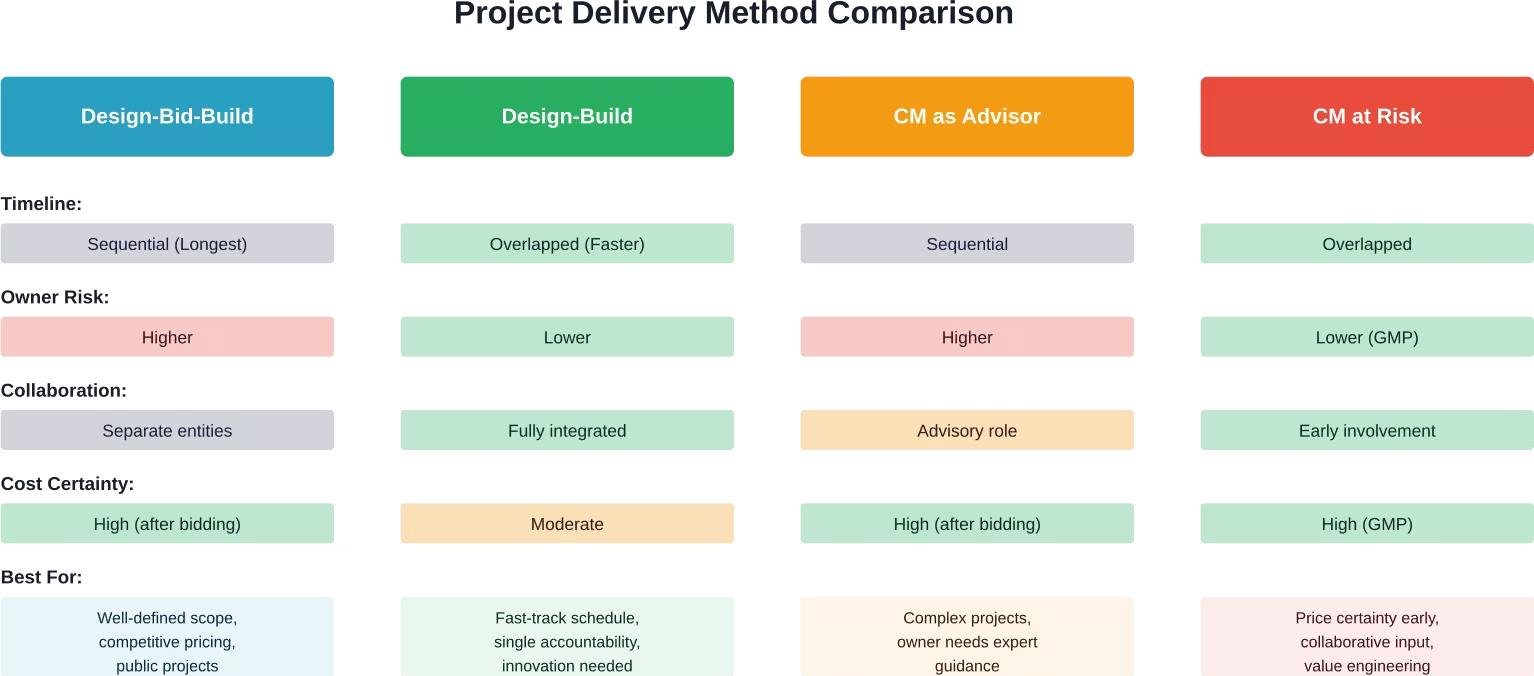
Here’s the thing though—construction management is compatible with all project delivery methods, whether design-bid-build, design-build, or integrated project delivery. No matter the contractual structure, a construction manager’s responsibility remains the same: deliver a successful project that meets the owner’s objectives.
What Construction Managers Actually Do
Construction managers plan, coordinate, budget, and supervise construction projects from start to finish. Their daily responsibilities span strategic planning, financial oversight, team coordination, and quality assurance.
Planning and Coordination
Before a single shovel hits dirt, construction managers develop detailed project plans. They break down complex projects into manageable phases, identify critical path activities, and coordinate the sequencing of work to avoid delays.
This planning extends to resource allocation—determining when materials need to arrive, which subcontractors work when, and how to stage equipment efficiently. Poor planning in this phase cascades into expensive delays and budget overruns later.
Budget Management and Cost Control
Financial stewardship represents one of the most critical construction management functions. Managers develop initial cost estimates, track expenditures throughout the project, and implement cost-control measures when budgets face pressure.
They review contractor bids, negotiate pricing, process payments, and manage change orders. Every decision carries financial implications, and construction managers must balance cost efficiency with quality requirements and schedule demands.
Schedule Development and Control
Time is money in construction. Construction managers create comprehensive schedules that map out every activity from project start to completion. They identify dependencies between tasks, allocate appropriate durations, and build in contingencies for weather delays or unforeseen conditions.
When projects fall behind schedule, managers develop recovery plans—accelerating critical activities, adding resources, or adjusting work sequences to bring projects back on track.
Quality Assurance and Control
Construction managers ensure work meets specifications, building codes, and industry standards. They conduct regular inspections, review submittals from contractors, and verify that materials meet approved specifications.
According to the American Society of Civil Engineers, standards provide technical guidelines for promoting safety, reliability, productivity, and efficiency in civil engineering. Construction managers apply these standards to maintain quality throughout construction.
Safety Management
Worker safety isn’t just a priority—it’s a fundamental responsibility. Construction managers develop site-specific safety plans, conduct safety meetings, enforce protective equipment requirements, and investigate incidents when they occur.
The Associated General Contractors of America emphasizes that providing a safe project for all workers, visitors, and the public represents a core goal of construction management. Effective safety programs reduce injuries, lower insurance costs, and improve overall project performance.
Take Control Of Your Project Management Now

Construction management isn’t just about tracking progress – it’s about making the right decisions at the right time. That only works when you trust the information behind those decisions. باورخ gives project teams that clarity by checking what’s actually happening between design and site, so managers aren’t relying on assumptions or incomplete models. Instead of reacting to issues after they surface, you see where decisions are weak, where coordination doesn’t hold, and where site reality is already drifting from design.
Run Your Project Without Disruptions
What Powerkh brings into day-to-day project control:
- Clear insight into whether design decisions are holding during coordination
- Visibility into where site execution is drifting from the model
- Early signals on issues that will affect sequencing and delivery
- Independent checks of installed work, not just reported progress
- Better alignment between what’s planned, approved, and actually built
If you’re managing a project and don’t fully trust the information you’re getting, reach out to Powerkh and get a clear, grounded view of what’s really happening.
Types of Construction Management Projects
Construction managers work across diverse sectors, each with unique challenges and requirements.
Commercial Construction
Office buildings, retail centers, hotels, and other commercial facilities require managers who understand tenant improvement coordination, business operation continuity, and commercial building codes. These projects often involve occupied buildings and tight timelines to minimize revenue loss.
الإنشاءات السكنية
From single-family homes to multi-unit apartment complexes, residential construction management focuses on housing projects. Managers coordinate with homeowners or developers while navigating zoning regulations, homeowner association requirements, and residential building standards.
Civil and Infrastructure
Roads, bridges, water systems, and other infrastructure projects represent some of the most complex construction management challenges. These projects involve extensive regulatory coordination, environmental considerations, and public impact management.
الإنشاءات الصناعية
Manufacturing facilities, power plants, refineries, and other industrial projects require specialized knowledge of process systems, heavy equipment installation, and operational integration. Safety considerations intensify given the hazardous nature of many industrial operations.
Career Paths and Job Outlook
The construction management field offers strong career prospects. According to the U.S. Bureau of Labor Statistics, construction managers earned a median annual wage of $106,980 in May 2024. Texas A&M University reports that the BLS highlights a promising outlook of 9% growth for construction managers, driven partly by unprecedented demand for housing and infrastructure.
Common job titles in the field include:
| Position | Average Salary | Primary Focus |
|---|---|---|
| Construction Manager | $115,000 | Overall project oversight |
| Construction Project Manager | $100,524 | Project-specific coordination |
| Construction Consultant | $103,004 | الخدمات الاستشارية |
| Construction Engineer | $111,774 | Technical design integration |
| Construction Foreman | $75,772 | Field supervision |
Education and Professional Development
Breaking into construction management typically requires formal education combined with practical experience. According to the Bureau of Labor Statistics, large construction firms often prefer candidates who have both construction experience and a bachelor’s degree in a construction-related field.
Educational Requirements
Most construction managers hold bachelor’s degrees in construction management, construction science, building science, or civil engineering. These programs cover:
- Project planning and scheduling techniques
- طرق ومواد البناء
- Cost estimating and financial management
- Building codes and regulatory compliance
- Contract administration and law
- Safety management systems
Florida Tech notes that construction management programs prepare students to plan, coordinate, budget, and supervise construction projects from development through completion. Many programs include internship components that provide real-world experience before graduation.
Certifications and Continuing Education
Professional certifications enhance credibility and career prospects. Organizations like the Construction Management Association of America offer certification programs that recognize expertise in construction management practices.
The Associated General Contractors of America provides the Project Manager Development Program and other resources to enhance project manager performance. These programs focus on meeting project goals including worker safety, owner satisfaction, and reasonable profitability while treating all partners with respect and fairness.
Construction Management Delivery Methods
Construction projects use various delivery methods, each defining different relationships between the owner, designer, and builder.
Design-Bid-Build
The traditional approach where the owner hires a designer to create complete plans, then solicits bids from contractors. The construction manager may serve as the owner’s advisor throughout both phases.
التصميم والبناء
A single entity handles both design and construction under one contract. Construction managers in this model integrate design and construction expertise to accelerate delivery and improve coordination.
Construction Manager as Advisor
The Engineers Joint Contract Documents Committee released the 2021 Construction Manager as Advisor Series, specifically designed for projects where the owner’s primary representative during construction is a CM serving in an advisory capacity. In this arrangement, the construction manager doesn’t perform actual construction work but guides the owner through the entire process.
Construction Manager at Risk
The construction manager acts as consultant during design but assumes contractor responsibilities during construction, often providing a guaranteed maximum price. This method aligns the CM’s financial interests with project success.
Essential Skills for Construction Managers
Success in construction management requires a blend of technical knowledge, leadership abilities, and business acumen.
Technical Competencies
Construction managers must understand building systems, construction methods, materials properties, and structural principles. They read and interpret blueprints, specifications, and engineering drawings. Knowledge of building codes, zoning regulations, and permitting processes proves essential for navigating regulatory requirements.
Project Management Skills
Effective scheduling, resource allocation, and critical path analysis represent core competencies. Construction managers use specialized software for project planning, cost tracking, and document management. They must identify project risks, develop mitigation strategies, and adjust plans when conditions change.
Communication and Leadership
Construction managers coordinate diverse teams—architects, engineers, subcontractors, suppliers, inspectors, and owners. Clear communication prevents misunderstandings that lead to costly rework. Leadership skills motivate teams, resolve conflicts, and maintain productive working relationships across organizational boundaries.
Financial Acumen
Beyond basic budgeting, construction managers understand cash flow management, cost-benefit analysis, and financial reporting. They evaluate contractor bids, negotiate pricing, and make value engineering decisions that balance cost against performance and quality.
Technology in Construction Management
Modern construction management relies heavily on specialized software and digital tools. Building Information Modeling integrates 3D design with project data, enabling better coordination and clash detection before construction begins.
Project management platforms track schedules, budgets, and documentation in real-time. Mobile applications connect field teams with project information, enabling faster decision-making and reducing delays. Drones provide aerial site surveys and progress documentation, while sensors monitor equipment performance and environmental conditions.
Challenges Facing Construction Managers
Every construction project presents obstacles that test a manager’s abilities.
Labor Shortages
Finding qualified skilled workers remains an ongoing challenge across the construction industry. Managers must develop recruitment strategies, provide training opportunities, and create work environments that attract and retain talent.
Supply Chain Disruptions
Material availability and pricing fluctuations complicate planning and budgeting. Construction managers maintain relationships with multiple suppliers, identify alternative materials, and build schedule buffers to accommodate delivery uncertainties.
الامتثال التنظيمي
Building codes, environmental regulations, safety requirements, and permitting processes grow increasingly complex. Staying current with changing regulations while ensuring project compliance demands continuous learning and attention to detail.
متطلبات الاستدامة
The American Society of Civil Engineers published sustainability standards to guide infrastructure development. Construction managers increasingly implement sustainable practices, select environmentally responsible materials, and pursue green building certifications that reduce environmental impact.
The Future of Construction Management
Construction management continues evolving as technology, sustainability, and changing workforce dynamics reshape the industry. Artificial intelligence and machine learning increasingly support scheduling optimization, risk prediction, and resource allocation. Modular and prefabricated construction methods require new management approaches that integrate factory production with field installation.
Climate change drives demand for resilient infrastructure and sustainable building practices. Construction managers who master green building techniques, circular economy principles, and climate-adaptive design will find expanding opportunities.
The profession’s growth trajectory remains strong. Infrastructure investment, housing demand, and aging building stock create a sustained need for skilled construction managers who can deliver complex projects efficiently and safely.
الأسئلة الشائعة
What’s the difference between a construction manager and a general contractor?
A general contractor performs construction work and manages subcontractors under a contract. A construction manager acts as an advisor to the owner, overseeing planning, coordination, and execution without necessarily performing the physical work.
Do construction managers need to be licensed?
Licensing requirements vary by location. Some jurisdictions require contractor licenses, while others accept professional certifications. Requirements depend on project type and local regulations.
How long does it take to become a construction manager?
Typically, it takes a bachelor’s degree (about 4 years) plus 5–10 years of industry experience to reach senior roles.
What industries employ construction managers?
Construction managers work in residential, commercial, industrial, and infrastructure sectors. Employers include contractors, developers, government agencies, and consulting firms.
Can construction managers work remotely?
Partially. While administrative tasks can be done remotely, regular on-site presence is essential for inspections, coordination, and problem-solving.
What’s the career advancement path for construction managers?
Career paths include progression to senior project manager, program manager, or executive roles. Some professionals start their own consulting businesses.
How does construction management differ from project management in other industries?
Construction management involves physical work, safety risks, site conditions, and coordination of multiple trades, making it more complex and less predictable than project management in other industries.
Getting Started in Construction Management
For those considering a construction management career, start by gaining exposure to construction projects. Summer internships with construction firms provide invaluable experience and professional connections. Pursue education through accredited construction management programs that combine classroom learning with hands-on projects.
Develop both technical skills and soft skills—communication, leadership, and problem-solving abilities matter as much as technical knowledge. Join professional organizations to build networks and access continuing education. Consider specialty areas like healthcare construction, renewable energy projects, or historic preservation that align with personal interests.
The field rewards those who embrace continuous learning, adapt to new technologies, and maintain commitment to quality and safety. Construction management offers the satisfaction of seeing ideas transform into tangible structures that serve communities for generations.
Ready to explore construction management opportunities? Research accredited programs, connect with practicing construction managers, and seek entry-level positions or internships that provide firsthand project experience. The industry needs skilled professionals ready to build tomorrow’s infrastructure.

دراسات الحالة لدينا
لقد تعاملنا مع أكثر من 200 مشروع من مشاريع نمذجة معلومات المباني ونمذجة معلومات المباني للقطاعات التجارية والصناعية والسكنية.
يشمل عملنا ما يلي:
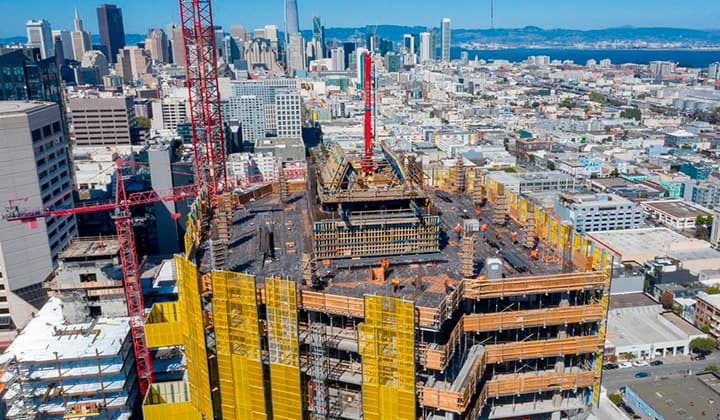
أتمتة تصميم القوالب
Our client from
California, USA
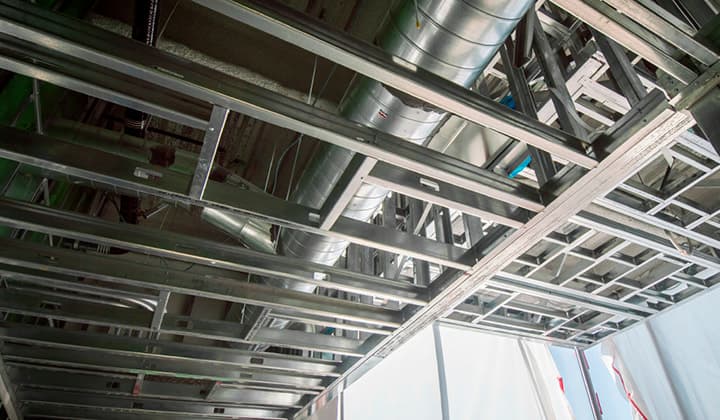
أتمتة تصميم السقف المعلق
Our client from
New York, USA
أتمتة تصميم إطارات الحائط
Our client from
California, USA